
当日/次日达

品质保障

开启新人专享福利: 全场免邮 | 低至 2 折 | 免费试用 30 天 JoyPlus 会员
下载 Joybuy
A good stainless steel frying pan for induction is an investment in your joy of cooking. But the search can feel like a minefield. You're bombarded with marketing terms, and many pans underperform after just a few months, especially on the direct heat of an induction cooktop. Before you make a choice, it's helpful to know where the pitfalls lie.
As a Joybuy Product Recommendation Officer, I see which pans are returned daily and why. It often comes down to a few common misunderstandings.
frying pan without a non-stick coating made of pure stainless steel requires a different cooking technique than a pan with a traditional coating. Without the right technique, everything sticks, leading to frustration.By understanding these points, you can choose a pan that truly suits you and will last for years.
To avoid a bad purchase, focus on the technical specifications rather than marketing promises. For a stainless steel induction frying pan, these are the three most important points of focus.
The construction of the pan is crucial for heat distribution. A stainless steel frying pan is rarely made from a single solid layer.
induction frying pan.The base is the point of contact with your cooktop. It must be and remain perfectly flat. A thicker, multi-ply base is more resistant to the intense heat of induction and is less likely to warp. Also, pay attention to the diameter. A 28 cm frying pan is a versatile size for most households, suitable for everything from a few eggs to a full meal. Ensure the diameter of the pan's base matches the cooking zone on your induction hob for optimal efficiency.
This is an important choice that depends on your cooking style and priorities.
durable frying pan. Made of pure stainless steel, this pan can handle extremely high temperatures and is ideal for searing meat. It does require some practice with temperature control and the use of oil to prevent sticking.WMF frying pan. According to WMF, this structure protects the underlying non-stick layer. A Tefal frying pan often uses its own type of coating with a heat indicator. These pans are more user-friendly, but the coating will wear out over time.Based on objective specifications, we have selected a number of pans that suit different cooking styles and needs.
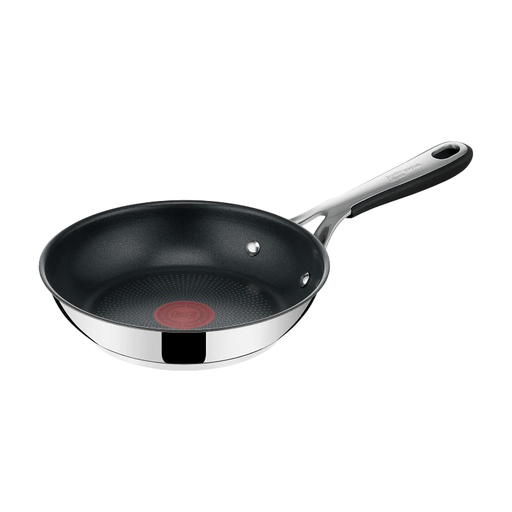
Why This Fits Their Persona: Ideal for those who value convenience. Perfect for a quick fried egg or a small, hassle-free meal. The non-stick coating and heat indicator make cooking simple and predictable.
Tackles the pitfall of 'mismanaged expectations'. Tefal's Thermo-Signal indicator turns solid red when the pan reaches the ideal cooking temperature, eliminating guesswork.
The combination of a stainless steel body with a Titanium non-stick coating offers both durability and ease of use. Suitable for all heat sources, including induction.
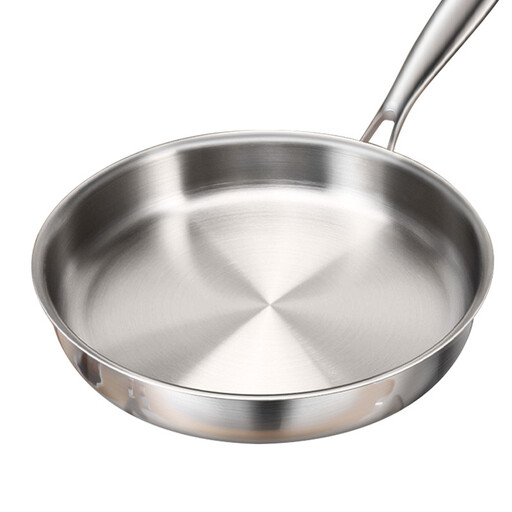
Why This Fits Their Persona: For the chef who wants control and performance. This `professional frying pan` without a coating is perfect for creating a perfect sear on meat or fish and offers maximum temperature control.
This pan solves the pitfalls of warping and poor heat conduction. The 3-ply construction (stainless steel-aluminium-stainless steel) ensures a robust, stable pan that distributes heat quickly and evenly.
Exceptional durability and heat resistance. Since there is no coating to wear down, this pan can last a lifetime with proper use. Scratch-resistant and safe for metal utensils.
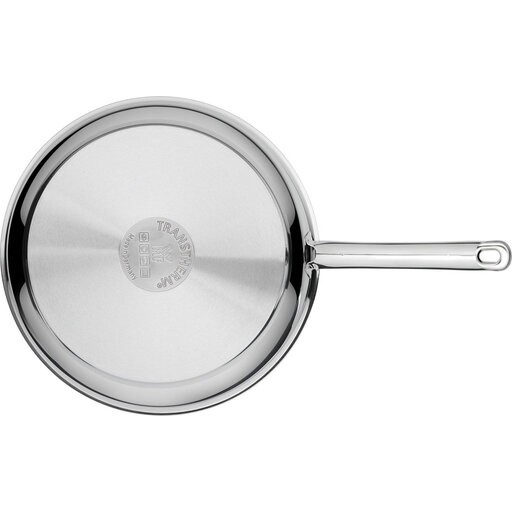
Why This Fits Their Persona: For those who prioritise purity and materials. This pan is completely free of coatings and made from high-quality Cromargan 18/10 stainless steel, a material known for being hygienic and flavour-neutral.
This pan is the definition of 'what you see is what you get'. No hidden layers or coatings that can wear out. The TransTherm universal base ensures stable and efficient heat distribution on induction.
Made from robust and warp-resistant Cromargan stainless steel that is resistant to food acids. The pan is dishwasher-safe and retains its shine and performance, even after years of intensive use.
We have compiled a complete, up-to-date list of products that fully meet these strict selection criteria and UK/EU safety regulations.
The secret is the right temperature. First, preheat the pan over medium-high heat. Do the 'water drop test': drop a small amount of water into the pan. If it sizzles and evaporates, the pan isn't hot enough yet. If the drop forms a single ball that glides across the surface, the perfect temperature has been reached. Only then should you add your oil, let it heat up briefly, and then place your ingredients in the pan. Allow meat or fish to form a crust peacefully before you try to flip it.
A high-quality, multi-ply durable frying pan can last a lifetime with proper care. Unlike pans with a non-stick coating that wears out after a few years, a stainless steel pan is resistant to scratches and high temperatures. Good maintenance is, however, important to keep the pan in top condition.
Most stainless steel pans are dishwasher-safe. However, always check the manufacturer's instructions. To maintain its shine and maximise its lifespan, hand washing with a soft sponge and mild dish soap is often recommended. You can remove stubborn stains or burnt-on residue by bringing a shallow layer of water with a splash of vinegar to a brief boil in the pan.
