
Vandaag of morgen in huis

Kwaliteit gegarandeerd

Welkomstaanbiedingen ontgrendelen: GRATIS bezorging | Tot 80% korting | Gratis 30 dagen JoyPlus-proefperiode
Download de app
Are you tired of plastic containers? The ones that discolour, retain strange odours, or warp in the dishwasher after just a few uses. You're not alone. More and more households are switching to stainless steel food containers as a durable and hygienic alternative. But the market is flooded with options, and not every stainless steel container is worth the investment.
Before you invest, it's wise to understand the common pitfalls. Many people make a choice based on marketing claims that don't hold up in practice.
A good set of stainless steel food containers is an investment that will last for years. By paying attention to a few key specifications, you can ensure you choose a product that is genuinely functional.
To avoid wasting money, here are the most important specifications to check. These details determine the durability and user-friendliness of your stainless steel food containers.
Most stainless steel kitchen products are made from type 304. This is a fine, food-safe quality. However, for food containers where you might store leftover pasta, soup, or salads with dressing, 316 stainless steel or 316L stainless steel is a better choice.
Opting for 316 stainless steel is a guarantee of a longer lifespan and maximum hygiene, especially if you plan to use your meal prep containers intensively.
A stainless steel container is only as good as its lid. A truly leak-proof food container has a lid with a thoughtful design. Pay attention to the following two elements:
Practicality is essential. Check if the containers meet your daily needs:
Based on these criteria, we have selected a number of products that suit different user profiles.
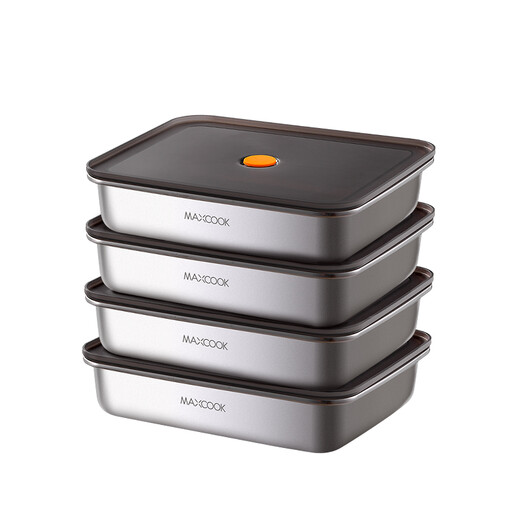
Why This Fits Their Persona: Ideal for those who prepare meals for the entire week. The four identical, large 1600ml containers are perfect for portioning main courses, ensuring consistency and convenience.
This set is made from 316L stainless steel, an even purer variant that offers superior resistance to corrosion. This directly addresses the pitfall of inferior steel.
Large, uniform capacity (4x 1600ml) for batch cooking. The containers are stackable, freezer-safe, and dishwasher-safe for maximum efficiency.
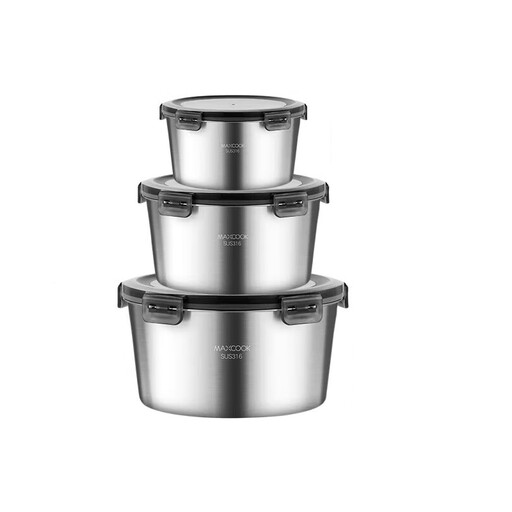
Why This Fits Their Persona: This set offers flexibility. The two 600ml containers are perfect for a stainless steel lunch box or snacks, while the large 2200ml container is ideal for dinner leftovers or storing a large salad.
Made from corrosion-resistant 316 stainless steel, making it safe for all kinds of food. The lids with sturdy clips ensure a reliable, leak-proof seal.
A versatile set with multiple sizes (2x 600ml, 1x 2200ml) suitable for various uses, from lunch on the go to storing family-sized leftovers.
We have compiled a complete, real-time list of products that fully satisfy these strict selection criteria and UK safety regulations.
1. Can stainless steel food containers go in the microwave? No, absolutely not. Metal should never be placed in a microwave as it can cause sparks, fire, and damage your appliance. Transfer the food to a microwave-safe plate or bowl to reheat it.
2. What is the best way to clean stainless steel containers? Most stainless steel containers are dishwasher-safe. For maximum longevity of the silicone sealing ring in the lid, you might consider washing the lid by hand. Ensure you dry the containers and lids completely before storing them to prevent water spots and maintain freshness.
3. Is there a big difference between 304 and 316 stainless steel for food storage? For general use, 304 stainless steel is sufficient. However, if you regularly store acidic (tomato sauce, citrus fruits) or salty (soups, dressings) foods, 316 stainless steel offers noticeably better protection against corrosion. It's a small upgrade that can significantly increase the long-term durability of your plastic-free food containers.
