
Vandaag of morgen in huis

Kwaliteit gegarandeerd

Welkomstaanbiedingen ontgrendelen: GRATIS bezorging | Tot 80% korting | Gratis 30 dagen JoyPlus-proefperiode
Download de app
More and more households are switching from plastic to stainless steel food containers. It's a logical choice: they are durable, don't absorb odours or stains, and are free from chemicals like BPA. But the market is flooded with options, and not every stainless steel container is worth the investment. Before you invest in a new set, it's crucial to know the common pitfalls.
As a Joybuy Product Recommendation Officer, I'm here to help you see through the marketing hype. We'll focus on the specifications that truly matter, ensuring you make a choice you'll be happy with for years to come.
A shiny container might look impressive at first, but problems often reveal themselves after just a few weeks of use. These are the most common frustrations:
You don't need to be a materials scientist to avoid these pitfalls. Pay attention to the following three points, and you'll have all the information you need to make an informed decision for your new stainless steel lunch box or meal prep containers.
Not all stainless steel is created equal. For food storage, you'll typically encounter two main types:
A leak-proof container set lives or dies by its lid. Pay attention to two things: the locking mechanism and the sealing ring.
Good stainless steel food containers should make your life easier, not harder.
Based on these criteria, we have selected a number of products that suit different users.
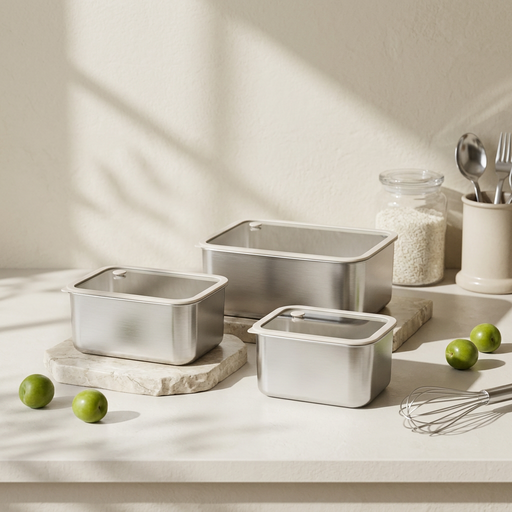
Why This Fits Their Persona: This set of three different deep sizes (1L, 1.8L, 3L) is ideal for storing leftovers, prepping family meals, or organising the fridge. A true all-rounder for a busy household.
The deep, stackable design counters the 'stacking frustration.' The borosilicate glass lids won't warp, and the silicone ring ensures a tight seal.
Large capacity and space-saving due to its stackable design. The glass lids let you see the contents without having to open the container.
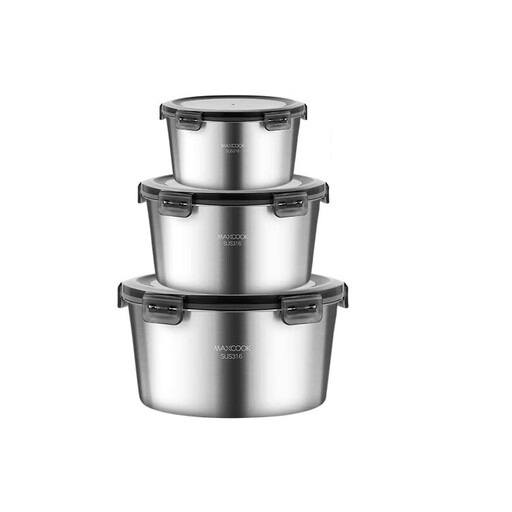
Why This Fits Their Persona: For those who prep meals weekly and refuse to compromise on material quality. Suitable for all types of dishes, including those with acidic or salty ingredients.
Made from 316 stainless steel, which avoids the pitfall of stains and odours from intensive use with acidic or salty meals. The lids seal tightly for reliable storage.
Superior corrosion resistance and hygiene thanks to the use of 316 stainless steel. The set is freezer- and dishwasher-safe for maximum convenience during meal prep.
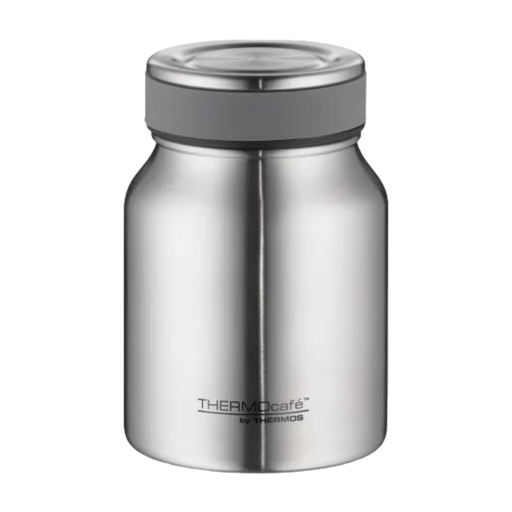
Why This Fits Their Persona: Perfect for anyone who wants to take hot soup or a cold pasta salad to work or school. Compact, lightweight, and designed to maintain your meal's temperature.
Shatters the 'leak-proof myth' with a reliable screw-top lid and silicone seal, specifically designed for transporting liquids without leaks.
The Thermax vacuum insulation technology keeps food hot for up to 9 hours and cold for up to 14 hours, according to the manufacturer. Made entirely of stainless steel and is shock-resistant.
We have curated a complete, up-to-date list of products that meet these strict selection criteria and safety standards.
No, absolutely not. Metal, including stainless steel, should never be put in a microwave. It can cause sparks and irreparably damage both the microwave and the container. Stainless steel containers are, however, safe for use in the refrigerator, freezer, and sometimes the oven (always check the manufacturer's specifications, especially for the lid).
Most stainless steel containers are dishwasher-safe. For a longer lifespan, particularly for the finish and the lids, hand-washing with a soft sponge and mild dish soap is recommended. Do not use abrasive scouring pads or harsh cleaning agents, as they can cause scratches. If the silicone ring is removable, take it out occasionally to clean it separately.
For everyday use, like packing a sandwich or a salad without an acidic dressing, 304 stainless steel is an excellent and common choice. However, if you plan to regularly store meals containing tomato, citrus, vinegar, or a lot of salt (think meal prep containers for the whole week), 316 stainless steel offers extra peace of mind. It is more resistant to the corrosive effects of these ingredients, which will keep your durable storage containers looking new for longer.
