
Vandaag of morgen in huis

Kwaliteit gegarandeerd

Welkomstaanbiedingen ontgrendelen: GRATIS bezorging | Tot 80% korting | Gratis 30 dagen JoyPlus-proefperiode
Download de app
Switching from plastic to stainless steel for food storage seems like a simple choice. Stainless steel is durable, doesn't absorb odours or colours, and is a plastic-free alternative. Yet, the market is filled with options that don't always deliver on their promises. The wrong purchase can result in containers that leak, rust, or are impractical to use.
As a Joybuy Product Recommendation Officer, I'm here to help you make the right choices. We'll look beyond the marketing and focus on the specifications that truly matter. Let's discuss the most common pitfalls of a stainless steel food container set.
airtight seal. The result: a lunch bag full of sauce.To avoid a costly mistake, it's important to pay attention to a few technical details. These determine the durability and usability of your stainless steel food containers.
Material Quality: 316 vs. 304 SS Most SS products are made from type 304, which is fine for many applications. However, for food storage, and especially for meal prep containers where you'll store a variety of ingredients, 316 SS is a better choice. This type of steel contains molybdenum, which makes it significantly more resistant to corrosion from salts and acids. It's also known as "surgical-grade" or "marine-grade" steel and guarantees a longer lifespan without imparting any metallic taste.
Lid and Seal A good lid is crucial. Look for lids with a silicone sealing ring that is removable for thorough cleaning. Sturdy clips on the sides ensure a reliable, leak-proof closure, which is essential for a stainless steel lunch box you carry daily. Check that the lids are also BPA-free.
Ease of Use: Dishwasher- & Freezer-Safe For maximum convenience, the containers (though not always the lids) should be dishwasher-safe. Also, check if they are freezer-safe. This makes meal prepping and storing leftovers much simpler. A stackable design is the finishing touch for a tidy kitchen.
Below are a few products that align well with different user profiles, based on their specifications.
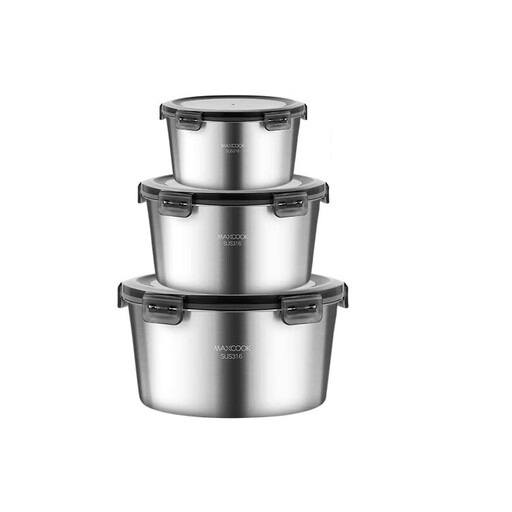
Why This Fits Their Persona: This set offers three different sizes, ideal for preparing a complete meal: a large container for the main course, a medium one for a salad or side dish, and a small one for snacks or sauce.
Made from 316 SS, which avoids the pitfall of rust and corrosion from food acids. The lids seal securely, minimising the risk of leaks.
Versatile set with multiple capacities. Freezer and dishwasher safe for maximum convenience.
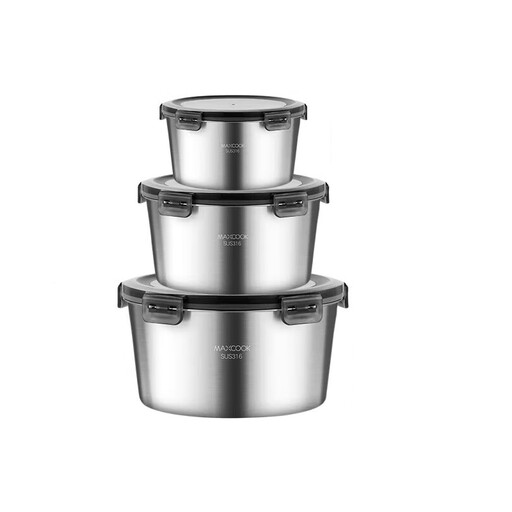
Why This Fits Their Persona: With two identical 600ml containers, this set is perfect for those who pack a daily lunch and a separate snack. The size is ideal for a `stainless steel bento box` style lunch, such as a portion of rice and a portion of vegetables.
The sturdy, clipped lids prevent "leaky lid syndrome," keeping your lunch secure in your bag. The 316 SS material prevents stains and odours.
Two convenient, identical 600ml containers for daily use. The large 2200ml container is a bonus for storing leftovers at home.
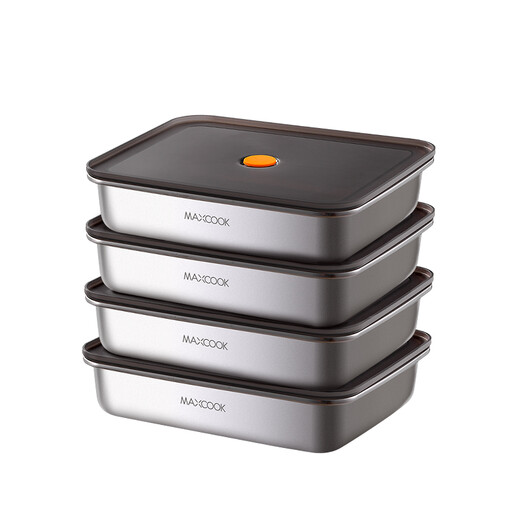
Why This Fits Their Persona: For families or those who cook in bulk, this set offers four large, identical containers. Perfect for freezing soup, storing large salads, or marinating meat.
The use of 316L SS, an even purer variant, offers maximum durability. The uniform, stackable design avoids the pitfall of impractical storage.
Four large, identical, and stackable `metal food storage containers`. Ideal for bulk storage and organisation in the freezer or fridge.
We have compiled a complete, up-to-date list of products that fully meet these strict selection criteria and safety regulations.
No, metal should absolutely not be used in a microwave. This can cause sparks and damage your appliance. Transfer the food to a microwave-safe plate or bowl to heat it up.
Both are safe for food contact. The main difference is that 316 SS contains extra molybdenum. This makes it significantly more resistant to corrosion from salts and acids, which are common in food. For long-term durability and storing a wide variety of meals, 316 is the superior choice.
Although high-quality stainless steel is highly rust-resistant, it's best to dry the containers thoroughly after washing instead of letting them air-dry. This prevents water spots. Do not use abrasive scouring pads or harsh cleaning agents, as they can damage the surface and reduce its corrosion resistance.
