
Vandaag of morgen in huis

Kwaliteit gegarandeerd

Welkomstaanbiedingen ontgrendelen: GRATIS bezorging | Tot 80% korting | Gratis 30 dagen JoyPlus-proefperiode
Download de app
A plastic colander that warps or discolours after just a few pasta-draining sessions. A metal one that quickly develops rust spots. These are common frustrations in many kitchens. A quality stainless steel colander is not a luxury, but a practical investment in durable and hygienic cookware.
As a Joybuy Product Recommendation Officer, I am here to help you navigate the wide array of options. In this article, I will provide practical tips for selecting the right model and present several popular choices that cater to various kitchen needs.
Before making a decision, it is helpful to consider a few key features. This ensures you choose a product that perfectly suits your cooking style and kitchen.
Not all stainless steel is created equal. For kitchen utensils that come into direct contact with food, 304 stainless steel (also known as 18/8) is the industry standard. This type of metal colander is renowned for its excellent resistance to corrosion and rust, and it is free of any coatings that could peel or flake off. It is a durable and hygienic choice for washing vegetables, fruits, and draining hot foods.
Consider how you plan to use your colander. A traditional model with handles is versatile, but an extendable colander offers unique advantages. This over-the-sink colander can rest on the edges of your sink, which keeps your hands free and ensures water drains away directly, preventing the base from sitting in pooled water. Furthermore, after use, it can double as a compact drying rack for a few cups or utensils, making it ideal for smaller kitchens.
The term 'colander' is used broadly, but different tools are designed for specific tasks.
Based on product specifications and functionality, we have highlighted several compelling options for you.
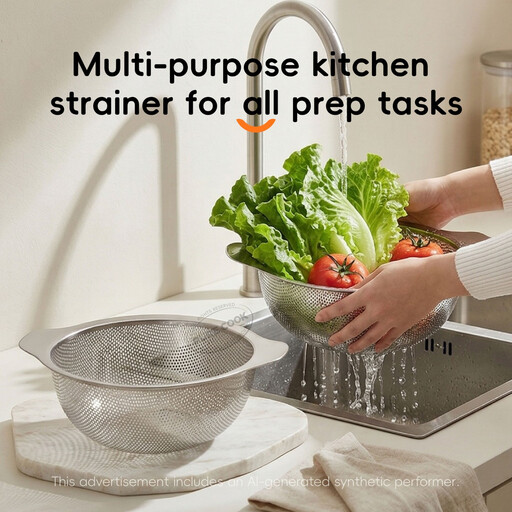
Why It Stands Out This is a classic, multifunctional colander designed for daily, heavy-duty use. The integrated handles make it easy to lift and move the basket, even when full. Its construction feels sturdy and stable.
Key Features
Who Is This a Good Choice For? For households looking for a robust and versatile colander for all kinds of daily kitchen tasks, from washing vegetables to serving fruit.

Why It Stands Out This extendable colander is a smart solution for those who want to maximise space. You can adjust it to fit the width of your sink, creating a stable platform for washing and draining ingredients.
Key Features
Who Is This a Good Choice For? Ideal for those in apartments or with smaller kitchens. It is also perfect for anyone who values efficiency and an uncluttered countertop.
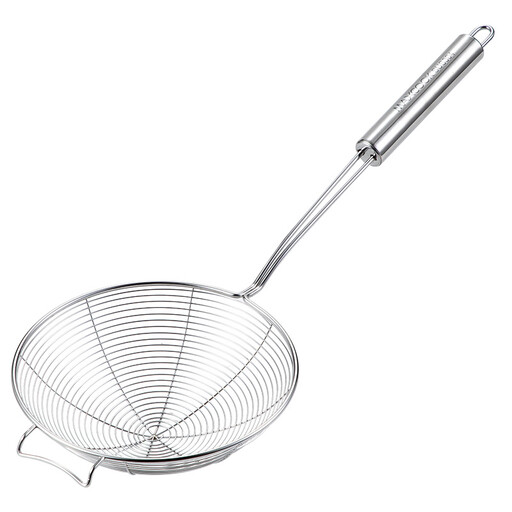
Why It Stands Out This is not a traditional colander, but a specialised stainless steel skimmer. What sets this Maxcook model apart is the convenient hook that allows you to hang the skimmer on the rim of a pot.
Key Features
Who Is This a Good Choice For? For the home chef who frequently fries food, uses a hot pot, or scoops homemade dumplings and pasta from boiling water. A specific tool for a specific job.
The products above are just a sample of what is available. Every kitchen is different, and you might be looking for a different size or a fine-mesh kitchen sieve. For a broader overview of various types and sizes, you can browse our full collection.
Explore More Options in Our Sieves & Strainers Category
The term "stainless steel" is technically "corrosion-resistant steel." It has a high resistance to rust, but under certain conditions (like prolonged exposure to salt, acid, or chlorine), stains or so-called "flash rust" can still appear. The key is proper maintenance: rinse the colander after each use, especially after contact with acidic or salty foods, and dry it thoroughly.
Most stainless steel colanders, including the models mentioned above, are dishwasher-safe. This makes cleaning very easy. However, it is always advisable to check the manufacturer's specific guidelines. To maintain its shine and prevent flash rust (often transferred from other metal items in the dishwasher), drying the colander after the wash cycle is a good practice.
A colander has relatively large, round holes and is designed to quickly separate liquid from solid food, such as when draining pasta or boiled potatoes. A kitchen sieve has a much finer mesh and is used for tasks that require more precision, like sifting flour, dusting a cake with powdered sugar, or rinsing fine grains like quinoa.
