
Vandaag of morgen in huis

Kwaliteit gegarandeerd

Welkomstaanbiedingen ontgrendelen: GRATIS bezorging | Tot 80% korting | Gratis 30 dagen JoyPlus-proefperiode
Download de app
A good stainless steel colander is an indispensable tool in the kitchen. Whether you're draining pasta, washing vegetables, or rinsing rice, it's a piece of equipment you'll use almost daily. However, choosing a new colander isn't as straightforward as it seems. Many models look sturdy in the store but prove disappointing in practice. They rust, wobble, or are a nightmare to clean.
Before you make a purchase, it's wise to understand the common pitfalls. Frequent problems include:
With the right knowledge, you can avoid these issues and choose a metal colander that will last for years.
To make a lasting choice, it's important to look beyond mere appearance. The following specifications determine the quality and usability of your colander.
The term "stainless steel" is broad. For kitchenware that frequently comes into contact with water, salt, and acids, the quality of the steel is crucial. Look for the 304 stainless steel designation (also known as 18/8 steel). This type of steel contains a higher concentration of chromium and nickel, making it significantly more resistant to rust and corrosion. A colander made from 304 stainless steel is an investment in durability and food safety.
A stable colander makes kitchen tasks safer and easier. A colander with a pedestal base provides a solid foundation in the sink, preventing it from tipping over when draining pasta. Also, pay attention to the handles. A colander with securely attached handles gives you a firm grip, even when it's full and heavy. Large, comfortable handles help prevent you from burning your hands on the hot rim.
The size of the colander should match your household. A large colander with a diameter of 24 cm or 28 cm is ideal for families or if you often cook for multiple people. For smaller portions or a single-person household, a model around 20 cm is often sufficient. The perforation is also important. Fine-mesh holes are necessary for rinsing quinoa or rice, while larger holes are perfect for quickly draining pasta and washing vegetables.
Based on these criteria, we have selected a number of popular choices that suit different needs and budgets.
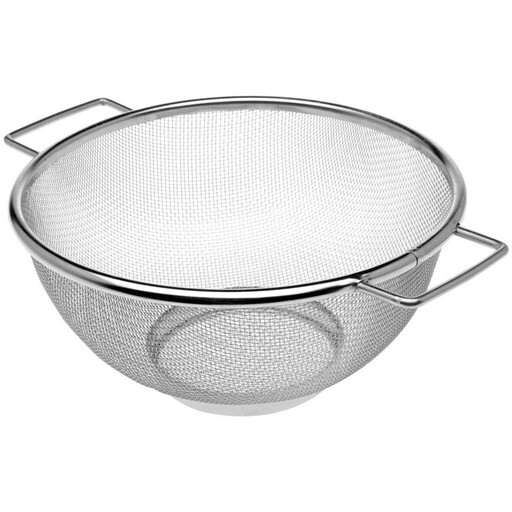
Why This Fits Their Persona: Ideal for those setting up their first kitchen or looking for a simple, functional colander without breaking the bank. Perfect for daily tasks in a smaller household.
This model has a circular base that provides essential stability, preventing it from tipping over in the sink. The handles offer a secure grip for draining standard portions.
Compact size (20.5 cm) that's easy to store. Made of stainless steel for general use.
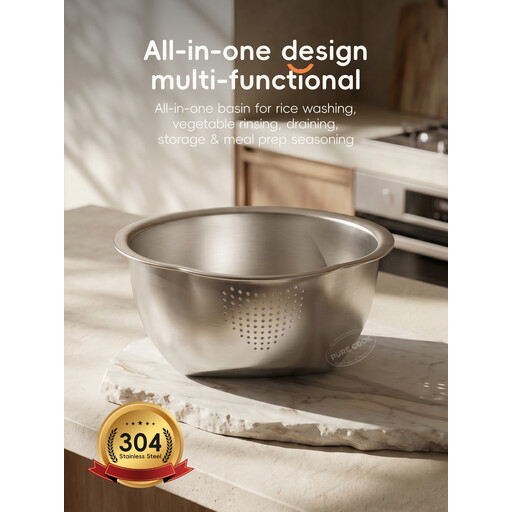
Why This Fits Their Persona: For the serious home cook who invests in durable, high-quality kitchenware. This colander is designed for intensive use and is built to last.
Made from 304 stainless steel, which prevents rust formation. The smoothly polished edges and uniform holes prevent food from getting stuck, simplifying cleanup.
Food-safe and corrosion-resistant material. The dense, uniform holes ensure rapid drainage. Dishwasher-safe for easy maintenance.
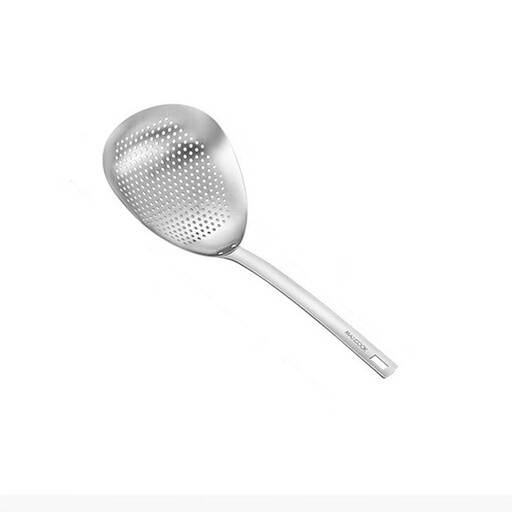
Why This Fits Their Persona: For those who frequently fry, boil dumplings, or want to lift pasta directly from the pot. This isn't a traditional colander, but a specialised spider strainer for specific tasks.
The long handle protects against splattering oil and heat. The use of 304 stainless steel ensures the skimmer can withstand high temperatures and will not rust.
Multi-functional for frying, boiling, and blanching. The smooth surface is easy to clean, and the wide head scoops efficiently.
We've compiled a complete, up-to-date list of products that fully meet these strict selection criteria and safety standards.
Most stainless steel colanders are dishwasher-safe, especially higher-quality models made from 304 stainless steel. However, it's always wise to check the manufacturer's instructions. Some models, particularly those with wooden or plastic components, are better washed by hand to extend their lifespan.
304 stainless steel, also known as 18/8 steel, contains 18% chromium and 8% nickel. This composition makes the material highly resistant to rust and corrosion, which is ideal for kitchenware. Cheaper types of stainless steel have a lower concentration of these elements, making them more susceptible to rust spots, especially when exposed to salt water or acidic foods.
The right size depends on your cooking habits and the size of your household.
