
Vandaag of morgen in huis

Kwaliteit gegarandeerd

Welkomstaanbiedingen ontgrendelen: GRATIS bezorging | Tot 80% korting | Gratis 30 dagen JoyPlus-proefperiode
Download de app
Buying a stain remover seems straightforward – until you have to choose between a spray, gel, powder, bleach or an electrical appliance. A product designed for white washing isn't automatically suitable for coloured clothing. And a product meant for tiles can damage fabric, wood or metal.
This guide helps British households make a more informed choice. We focus on application, dosage, material compatibility and safety information. That way, you can avoid a promising-looking package turning into a wasted purchase.
A stain remover for laundry is formulated for fabrics and must be used according to the care label. A mould remover containing chlorine or sodium hypochlorite is intended for surfaces such as tiled walls and grout, not for clothing, wood or coloured upholstery.
Always check the stated areas of application. Products for carpets and furniture often have a different composition to a stain remover for clothing.
Brands may state that their product helps protect colours. According to the product description, Ariel Diamond Bright Colour is designed to clean coloured laundry and help maintain colour vibrancy. That is a product claim, not a guarantee for every fabric type or dye quality.
Always test a product on an inconspicuous area first. Furthermore, never use a product intended for white washing on coloured clothing if the label does not permit it.
Using a larger amount does not automatically make a treatment more effective. According to product information, oxi powders can cause serious eye damage or skin irritation. Sprays may also carry flammability and environmental hazards.
Read the label, follow the recommended dwell time, and wear gloves or eye protection where necessary. Never mix bleach with other cleaning products.
The format determines how you use the product:
A stain remover for white washing may contain oxygen bleaches or optical brighteners. According to the product information for Vanish Whitening Powder, this type of product is intended for white clothing and not for wool, silk, leather or materials with certain metal components.
For coloured washing, products without chlorine are often more logical, but always check the label. Wool, silk, leather, flame-retardant fabrics and clothing with metal fastenings require extra attention. A quick colour test on a hidden area can help prevent discolouration.
Don't just compare the bottle or packaging, but also:
For a cleaning product intended for hard surfaces, pay attention to the hazard warnings. According to the product information, a bleach from At Home Clean is intended for various surfaces and contains substances that may cause skin irritation. Therefore, do not use it as a general stain remover for clothing.
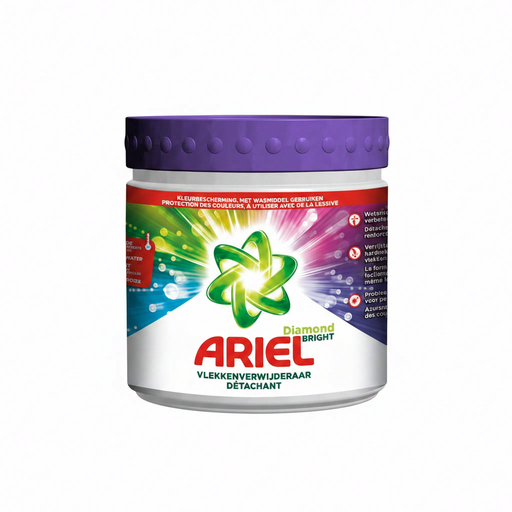
Why this fits the profile: According to the product description, the powder can be added to the wash or applied directly with water to a stain. This gives beginners two clear usage options.
The application for coloured washing is clearly described. However, always check the care label and colourfastness first.
Powder format, suitable for coloured washing and usable at low temperatures according to the product description.
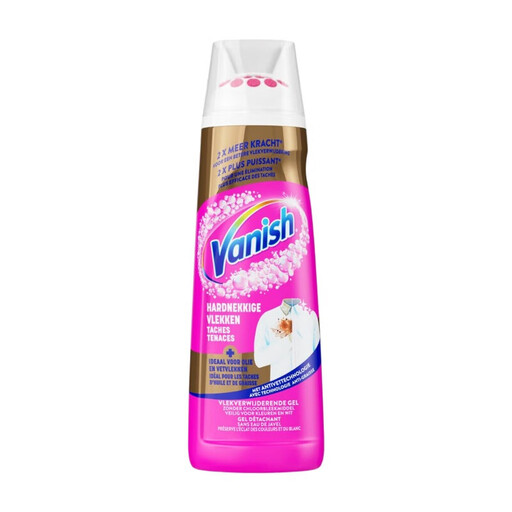
Why this fits the profile: According to the product description, the dosing cap with rub-in applicator is designed for precise pre-treatment, for example on dried-in oil and grease stains.
The gel is not intended as a random product for every surface; the product information focuses on clothing and carpet. This limits incorrect usage.
200 ml, targeted application and a rub-in applicator according to the stated product specifications.
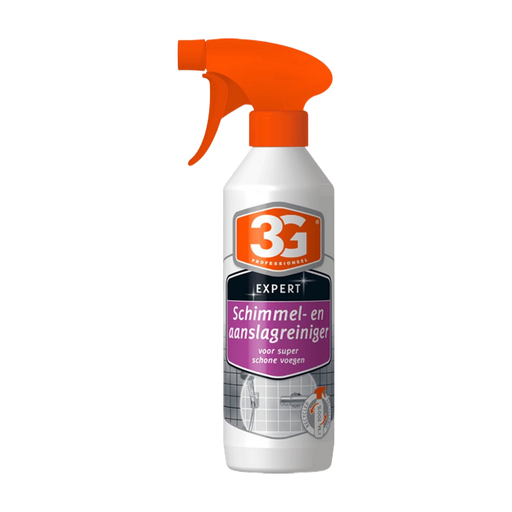
Why this fits the profile: According to the product information, this product is intended for tiled walls, grout and other hard surfaces in areas including bathrooms, kitchens and garages.
The application is specifically described. Covering plants and bare metal, and ensuring good ventilation, are important precautions.
Spray format of 500 ml and a stated dwell time of approximately ten minutes for mould and mildew soiling.
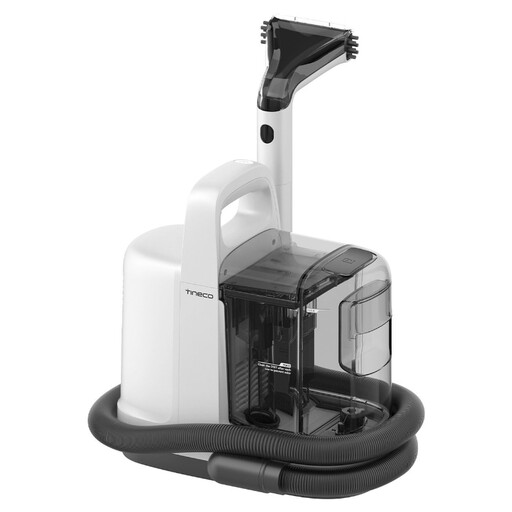
Why this fits the profile: According to the product description, the portable machine is designed for carpet, sofas, mattresses, car seats and other upholstery.
You choose an appliance for fabrics instead of a bleach for hard surfaces. However, check the material instructions beforehand.
400 watts, two separate water tanks, a rotating brush and a furniture nozzle according to the product specifications.
We have compiled a full, up-to-date list of products that fully meet these strict selection criteria and comply with current European safety regulations.
When dealing with mould in the home, also ensure ventilation and address the source of moisture. A cleaning spray alone will not prevent new mould from returning.
Choose a product that explicitly states it is suitable for white washing. According to their product descriptions, oxi powders or fabric whiteners may contain oxygen bleaches. Always check the restrictions for wool, silk, leather and metal components.
That depends on the product information. Some sprays and liquid products are stated as suitable for both white and coloured clothing, whereas whitening powders are intended exclusively for white fabrics. Check the label and, if in doubt, carry out a colour test.
That depends on usage. Spray and gel are practical for individual stains and limit the dosage per area. Powder is often more convenient when you regularly treat a full wash load or want to soak fabrics. Compare the contents with the recommended amount per treatment, not just the price of the packaging.
