
Vandaag of morgen in huis

Kwaliteit gegarandeerd

Welkomstaanbiedingen ontgrendelen: GRATIS bezorging | Tot 80% korting | Gratis 30 dagen JoyPlus-proefperiode
Download de app
Buying a stain remover might seem straightforward – until you’re standing in front of a shelf full of powders, sprays and gels. A product that works brilliantly on a white cotton T-shirt could be completely unsuitable for wool, silk, leather or a coloured sofa. And marketing claims like “works in 30 seconds” don’t tell you much if you haven’t checked the fabric, dosage and dwell time.
The most common buying mistakes:
The right choice starts with three practical questions: where is the stain, what material is the surface, and how old is the stain?
A stain remover spray is handy for a fresh stain on a garment. You can apply it directly without having to prepare a full wash load straight away. Do pay attention to warnings on the label. Some sprays are flammable or can cause skin and eye irritation.
A stain remover gel is ideal for spot pre-treatment. A dosing cap or rub-in applicator can help you apply the product precisely to a small stain. This stops you from using more product than necessary.
A stain remover powder, such as an Oxi stain remover, is more versatile. Depending on the product instructions, you can add it to the wash, dissolve it for a soaking treatment, or mix it with water for direct application. However, powders containing oxygen bleach are not suitable for every fabric.
Always read the care label first. Then check the product packaging for exclusions. For example, G’woon Oxi Stain Remover states that it is not suitable for wool, silk and leather. It also recommends doing a colourfastness test on an inconspicuous area first.
For coloured washes, a formula for white and coloured laundry is more practical than a product designed only for white fabrics. A whitening powder may contain optical brighteners and oxygen bleach, making it primarily aimed at white clothing. Don’t automatically use such a product on dark or brightly coloured fabrics.
Also pay attention to details like metal zips, buttons, coatings and flame-retardant textiles. Some products should not be left to soak on these materials for long periods.
For grease, food, coffee or dried-on stains, pre-treatment can be useful. A stain remover for textiles should then be washed or rinsed out according to the instructions. Don’t rub vigorously on delicate fibres; this can push the stain deeper into the material.
For a stain remover for carpets and upholstery, different considerations apply. Test on a hidden area first, don’t use too much liquid, and avoid leaving it wet for too long. For larger areas, a spray extraction cleaner may be more practical than just a manual spray.
The recommendations below are based on verifiable data such as product format, contents, application area and warnings on the product information. Claims about performance are presented as information from the brand or product description, not as a guaranteed result.
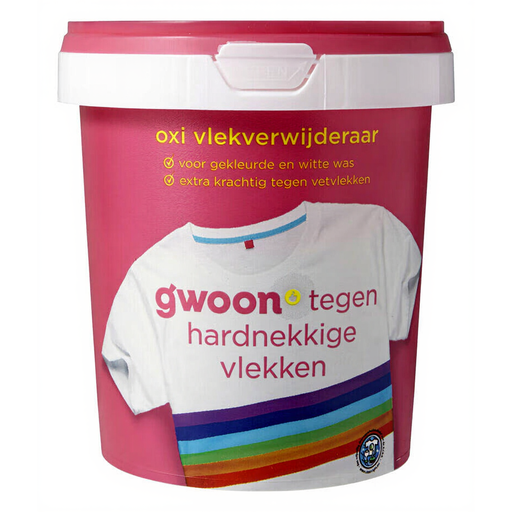
Why this fits the profile: The powder format is suitable for households that want one product for washing, soaking and spot pre-treatment, following the stated dosages.
The packaging gives specific dosages of 30, 45 and 60 grams and clearly states which materials to avoid. Always test colourfastness beforehand.
750g powder; suitable for textiles; contains oxygen bleach and enzymes according to the product specification.
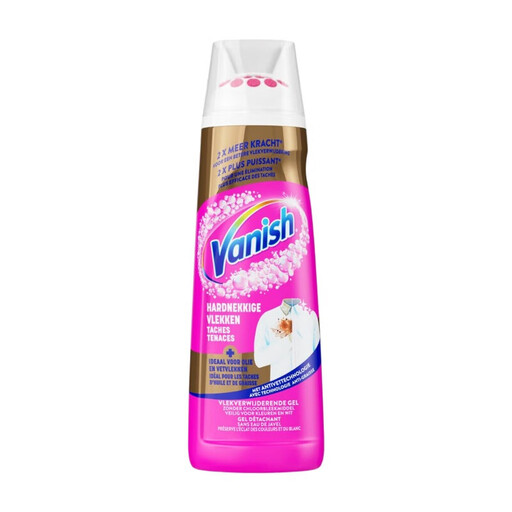
Why this fits the profile: The gel is designed for targeted pre-treatment and, according to the product description, features a special rub-in applicator for precise application.
The small size and targeted application help you avoid spreading a large amount of powder or liquid over the entire garment straight away.
200ml gel; direct application; according to the product description, intended for dried-on oil and grease stains among others.
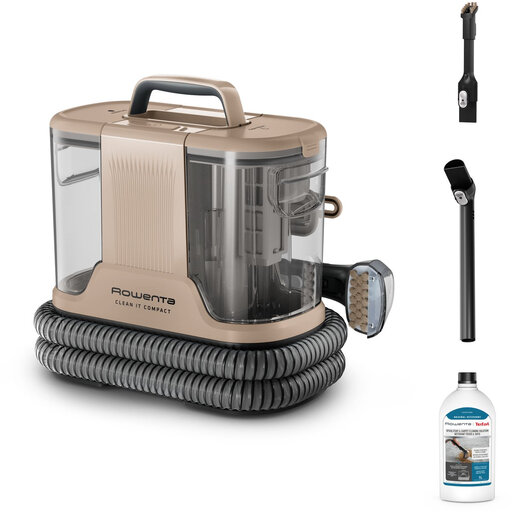
Why this fits the profile: If you regularly treat carpets, sofas, mattresses, car interiors or pet mess, a spray extraction cleaner is far more practical than a separate fabric spray.
The device is designed for larger textile surfaces and has separate clean and dirty water tanks, so you’re not relying solely on a towel.
400 watts; stated suction power up to 11.5 kPa; 1.5 litre clean water tank and accessories for upholstery and carpets.
Always follow the instructions on the packaging for every stain remover. Wear protective gloves or eye protection when the label advises it. Don’t mix cleaning products together, especially if one contains bleach. Store powders and sprays sealed, in a dry place and out of reach of children.
To make your product last longer, it helps to:
We’ve put together a full, up-to-date list of products that fully meet these strict selection criteria and comply with current European safety regulations.
That depends on the type of stain, the fabric and how old the stain is. Pre-treatment can help, but always check the care label and the maximum dwell time first. A product claim about fast action comes from the brand and is not a guarantee for every fabric or stain.
Check the expiry date or batch information on the packaging. Store the product in a cool, dry place and keep it tightly sealed. Moisture can make powder clump together, and direct sunlight or heat can affect storage conditions.
Don’t just compare the price of the packaging – also look at the contents and the recommended dosage per treatment. A larger powder pack can be economical if you wash regularly, while a gel or spray may be more convenient for occasional stains. For carpets and upholstery, a machine can make financial sense if you often treat larger areas.
