
Vandaag of morgen in huis

Kwaliteit gegarandeerd

Welkomstaanbiedingen ontgrendelen: GRATIS bezorging | Tot 80% korting | Gratis 30 dagen JoyPlus-proefperiode
Download de app
A mark on a white T-shirt, the sofa or the rug calls for the right approach. A universal stain remover might seem handy, but not every product is suitable for every material. A laundry product, for example, can be unsuitable for carpet, while a bleach can damage colours or fibres.
Joybuy’s Product Recommendation Officer filters the key product information so you can make a targeted choice based on application, ingredients and ease of use.
A stain remover for clothing is designed for textiles that can be washed according to the care label. That doesn’t automatically mean it’s also suitable for a sofa, mattress or carpet. For upholstery, a carpet stain remover or furniture cleaner is a more logical choice. Always check the intended use on the packaging.
Terms like “works fast” or “for all stains” don’t tell you much without the usage instructions. The effectiveness can depend on the type of stain, how old it is, the temperature and the fibre. According to the product information from various brands, stains often need to be pre-treated first and then washed immediately.
A product with oxygen bleach or enzymes can be suitable for certain textiles, but not for wool, silk, leather or materials with special coatings. Always test a stain remover for coloured laundry on an inconspicuous area first. Also look out for warnings about skin irritation, eye damage and harm to aquatic life. Keep the product out of reach of children.
Start with the material. For clothing and laundry, there are several forms:
For carpet, furniture and car upholstery, a spray or a portable cleaner is more practical. A furniture cleaner shouldn’t leave too much moisture behind, as upholstery can dry slowly and show rings.
Check whether the product contains oxygen bleach, enzymes, surfactants or chlorine. Products with chlorine are mainly intended for specific hard, non-porous surfaces and can discolour textiles. Never mix chlorine with other cleaning products.
For textiles, clear restrictions are often listed. For example, product instructions for oxi powders state that they are not suitable for use on wool, silk and leather. Metal fastenings, flame-retardant fabrics and coated surfaces may also need extra attention.
A larger amount of product doesn’t automatically mean a better result. Look at:
Some sprays mention a dwell time of up to five minutes. Product information for certain powders advises dissolving in lukewarm water up to a maximum of 40 degrees. Always follow the label on the product you are using; packaging information can change.
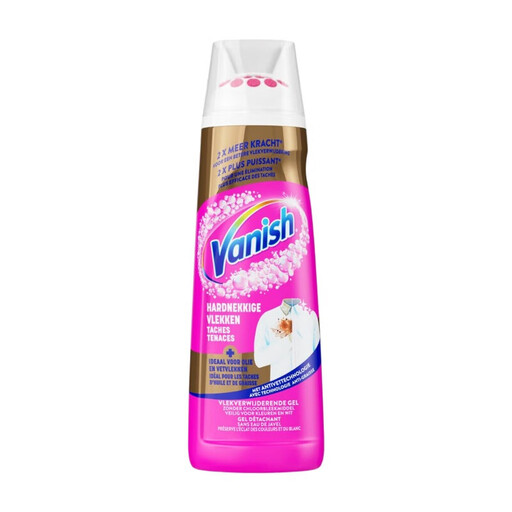
Why it fits this profile: The gel format and dosing nozzle are practical for households that occasionally want to treat a localised stain on clothing without opening a large pack.
You apply the product directly rather than treating a full wash with unnecessary product. According to the product information, it is intended as a pre-treatment for, among other things, dried-on oil and grease stains.
200 ml content, gel format and a rub-in head for local application. The ingredients list 5 to 15% non-ionic and anionic surfactants.
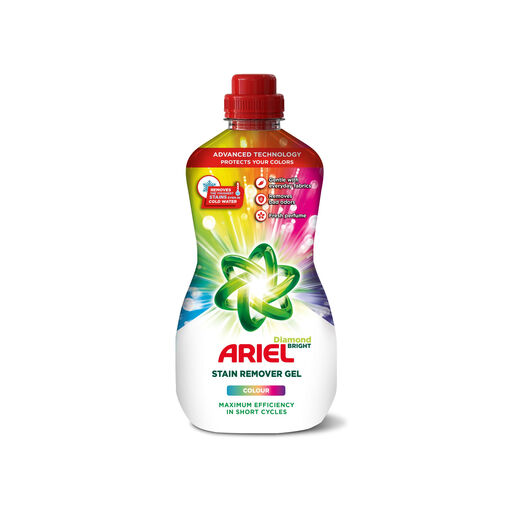
Why it fits this profile: The 950 ml pack suits households that regularly treat clothing and prefer a gel that can be applied directly to a stain.
The product variant explicitly states Colour & White. Still, always check the care label and test coloured fabrics on an inconspicuous area.
950 ml content, gel format and, according to the product description, intended for coloured and white clothing. The product information mentions use at low temperatures.
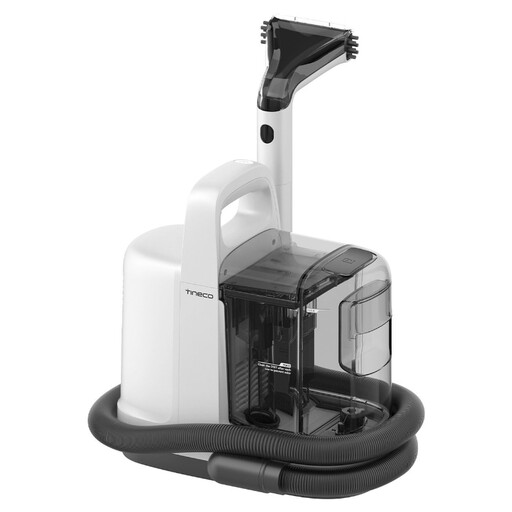
Why it fits this profile: This portable cleaner is designed for carpet, rugs, furniture, mattresses and car upholstery. That suits families and pet owners with recurring stains on large textile surfaces.
You don’t use a laundry product on upholstery. The machine has separate tanks for clean and dirty water, so dirty water isn’t redistributed over the surface.
400 watt power, a rotating brush, removable tanks and an included upholstery tool. Check the material’s suitability before use.
We’ve put together a full, up-to-date list of products that fully meet these strict selection criteria and current European safety regulations.
For pet stains on carpet or furniture, an upholstery cleaner is more suitable than a standard laundry stain remover. Ventilate the room and let the surface dry completely according to the instructions.
That depends on the combination of stain and material. Grease and food stains are often pre-treated with a gel or spray. For larger amounts of laundry, a powder can be used as an addition. Always follow the dosage and test colourfastness first.
Not automatically. Products for white laundry can contain optical brighteners or oxygen bleach. Choose a variant that explicitly mentions coloured laundry and check the care label. Don’t use chlorine bleach on coloured clothing.
The shelf life varies by product. Check the date, batch information or period after opening on the packaging. Store a powder in a cool, dry place and keep a spray away from heat sources. The packaging contains the most up-to-date information about storage and use.
