
Vandaag of morgen in huis

Kwaliteit gegarandeerd

Welkomstaanbiedingen ontgrendelen: GRATIS bezorging | Tot 80% korting | Gratis 30 dagen JoyPlus-proefperiode
Download de app
A stain remover may seem like a simple product, but the wrong one can affect colours, damage fabrics or do little to improve on your usual laundry detergent. With red wine, grease, coffee, grass and dried-on food stains, it’s tempting to reach straight for the strongest product. That isn’t always the best approach.
A product for clothes isn’t automatically suitable for carpets, upholstery, mattresses or hard surfaces. For example, a product containing bleach may not be suitable for coloured fabrics. Always check the stated uses and the materials it’s intended for.
Phrases such as “works instantly”, “for all stains” or “safe for all colours” sound reassuring, but they don’t tell you how the product will react with your fabric. Some brands’ product descriptions say their formulas work at low temperatures or on stubborn stains. Results still depend on the type and age of the stain, the fabric and the amount you use.
Using more stain remover doesn’t automatically give you better results. Leaving it on for too long or using too much can cause discolouration or damage the material. When using a stain remover on clothes, it’s wise to test it on an inconspicuous area first.
First, choose the right product category:
Also check the care label. Wool, silk, leather, flame-retardant fabrics and materials with metal components often need extra care.
A spray is handy for treating an individual stain. Gel can be applied directly to a spot, while powder is often used as a laundry additive or for soaking. Laundry capsules contain a pre-measured amount of detergent and are especially convenient for a standard machine wash.
Check how much product to use per treatment. A 750-gram pack doesn’t, on its own, tell you much about the cost per use. Look at the recommended number of washes, the amount needed per stain and whether the product can be used for pre-treatment, soaking and machine washing.
Check whether the product contains oxygen bleach, chlorine bleach, enzymes or surfactants. An Oxi stain remover is generally oxygen-based, but always check the label for the exact ingredients and instructions for use.
Also look out for hazard warnings. Some products can cause serious eye irritation, irritate the skin or be harmful to aquatic life. Wear gloves or eye protection if the label advises you to. Never mix different cleaning products, especially a chlorine-based product with other cleaners.
Treating a fresh stain promptly is often more practical than waiting for it to dry completely. Detergent, laundry capsules and an additional stain remover can work well together, but use them according to the dosage on the packaging.
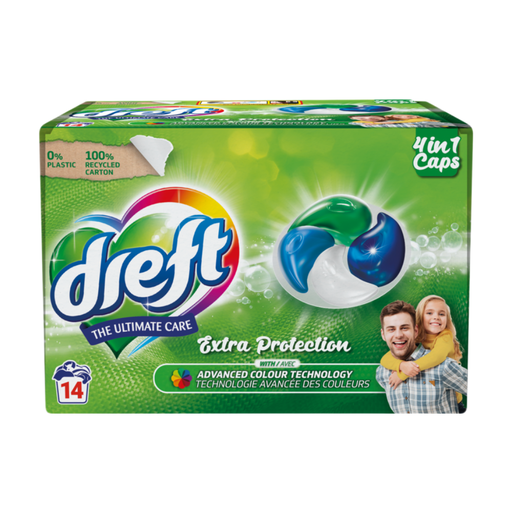
Why it suits this profile: These pre-measured laundry capsules are handy for households that want to run a standard machine wash without measuring detergent. According to the product description, they’re designed for whites and colours.
The dose is pre-measured, so you’re less likely to use too much detergent. It’s still important to place the capsule at the back of the empty drum and follow the care label.
4-in-1 capsule, according to the product information; suitable for a regular wash with whites and colours.
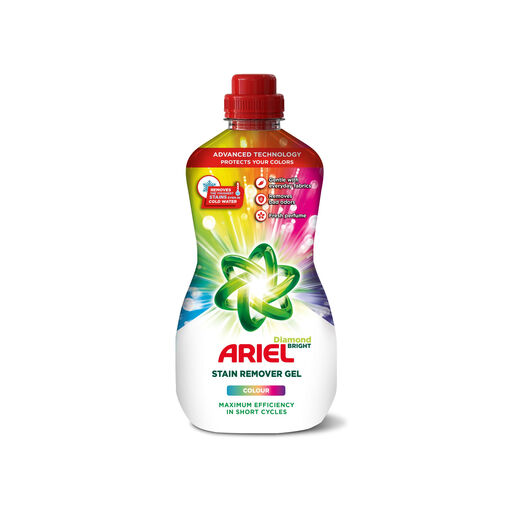
Why it suits this profile: The gel formula is suitable for targeted use on coloured or white laundry. According to the product description, it comes in a 950 ml pack and is designed for stubborn stains.
You can tailor the treatment to the stain instead of using a large amount of powder for a small mark. Test coloured fabrics first.
Gel for direct application; Colour Diamond Bright product variant in a 950 ml pack.
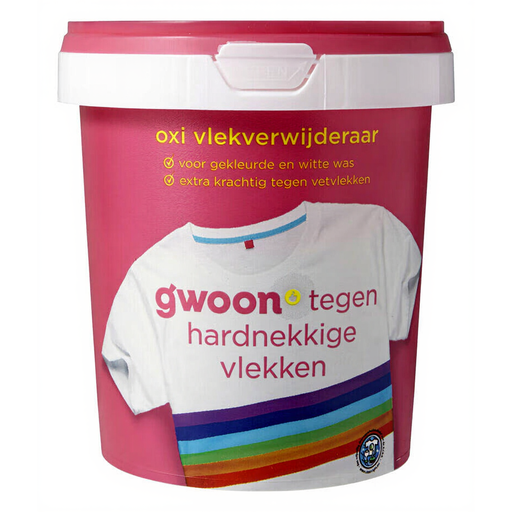
Why it suits this profile: According to the instructions, the powder formula can be used in the washing machine, as a soaking solution or for direct pre-treatment of fabrics.
The instructions specifically recommend a colourfastness test and warn against using it on wool, silk and leather. This makes it clear in advance when not to use the product.
750 grams; suitable for machine washing, soaking and pre-treatment according to the stated instructions.
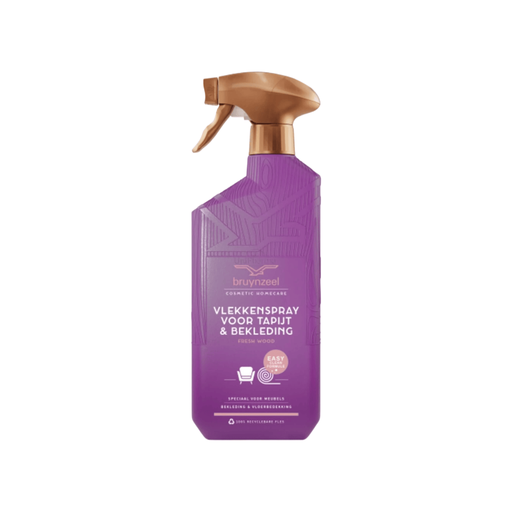
Why it suits this profile: According to the product description, this is designed for carpets, upholstery, mattresses, chairs and clothes. It’s a good fit for households with several types of fabric surface.
You’re using a product specifically described for carpets and upholstery, rather than trying laundry detergent on furniture fabric.
500 ml spray; designed for a range of soft surfaces and targeted treatment.
We’ve put together a complete, up-to-date list of products that meet these strict selection criteria and current European safety regulations.
Choose a product labelled as suitable for coloured laundry and test it on an inconspicuous area first. A gel or spray can be handy for a specific stain. Don’t use a chlorine-based product on coloured clothes unless the label explicitly says it’s safe to do so.
You can, if the product instructions allow it. Some powders are designed to be added to your usual detergent, while laundry capsules already contain a pre-measured dose. Stick to the recommended total dosage, and don’t put capsules in the detergent drawer if the packaging says they should go in the drum.
Follow the expiry or usage information on the packaging. Store the product in a cool, dry place, out of reach of children. Seal powders and liquids tightly, and keep sprays away from heat and direct sunlight. Don’t keep a prepared solution for longer than the instructions allow.
