
Vandaag of morgen in huis

Kwaliteit gegarandeerd

Welkomstaanbiedingen ontgrendelen: GRATIS bezorging | Tot 80% korting | Gratis 30 dagen JoyPlus-proefperiode
Download de app
A coffee stain on a white shirt, grease on a child’s jumper, or fruit marks on clothing – a regular wash doesn’t always shift them. A good stain remover for clothes can help, but only if the formula and format suit the fabric and the type of stain.
Many shoppers focus on terms like “powerful”, “fast” or “for all colours”. On their own, these don’t tell you much. Instead, look at the product format, the instructions, the permitted materials, and the safety information on the packaging.
A strong stain remover isn’t automatically suitable for every textile. Wool, silk, leather, coated fabrics, and items that need dry cleaning can be particularly delicate. Metal buttons, zips, and printed surfaces may also have restrictions according to the product instructions.
Always check the care label and warnings first. If you’re unsure, test a stain remover for coloured laundry on an inconspicuous area.
A product may be described as suitable for both white and coloured laundry, but that doesn’t mean every colour or fabric reacts the same way. Temperature, dwell time, and dosage all make a difference. Leaving it on too long or using too much product can unnecessarily stress the textile.
If you regularly wash different colours together, you might also use a colour catcher. That’s not a stain remover, but it can help limit colour transfer during the wash.
The format determines how practical the product is:
Also pay attention to the volume. A 200 ml bottle for spot treatment has a different usage profile than a 750 ml or 950 ml pack for multiple washes.
First, decide how you want to remove stains from clothes. Do you mainly treat individual stains, like oil, chocolate, or baby food? Then a spray or gel is practical. If you plan to use the product for many washes, a powder or larger bottle of liquid may make more sense.
Check the recommended amount and maximum dwell time. Some products need to be rinsed out after a few minutes. Others have separate dosages for pre-treatment, soaking, and machine use.
Look for a clear indication of the application area. According to the product description, Ariel Diamond Bright Colour Stain Remover is intended for coloured laundry and can be added to your detergent or used directly on a stain. The description mentions application for grease, fruit, and coffee stains, among others.
Vanish Oxi Action Powder Pink is described in the product information as suitable for coloured clothing. It also lists restrictions for silk, wool, leather, and items that need dry cleaning. These details matter more than just the brand name.
Read the hazard warnings before use. Some products can cause serious eye irritation or eye damage. Sprays may also carry a flammability warning. Keep the packaging out of reach of children, wash your hands after use, and wear eye protection if the label advises it.
Store powder in a dry, sealed container. Keep liquids and sprays according to the label, away from direct sunlight and heat sources. Don’t mix stain removers with other cleaning products.
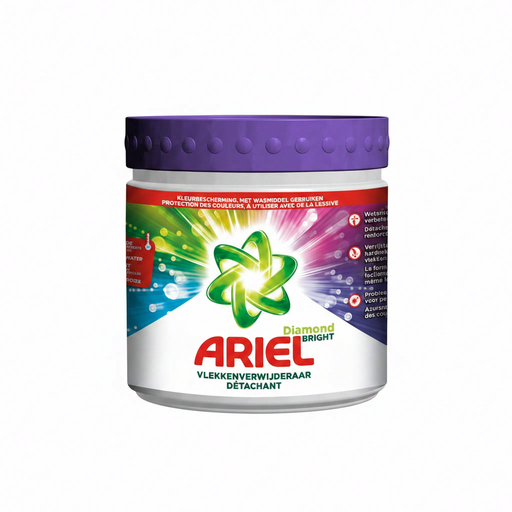
Why it fits this profile: The powder format offers two uses: add it to your detergent or mix it with water for a targeted treatment. That makes it suitable for households looking for one product for multiple situations.
The product description explicitly mentions use on coloured laundry and gives separate instructions for addition and direct treatment.
Powder format; suitable for coloured laundry according to the product information; effective on grease, fruit, and coffee, among others.
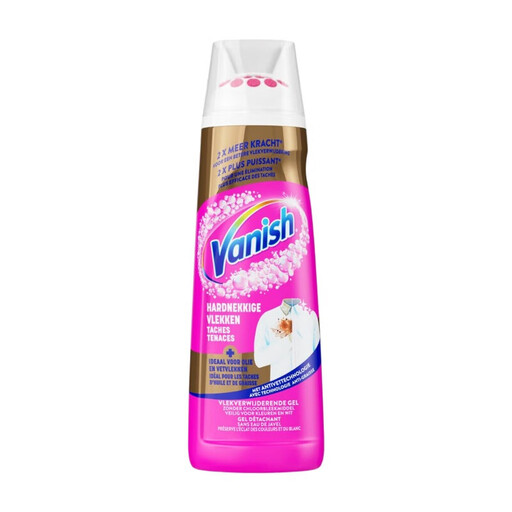
Why it fits this profile: The gel with a rub-top is designed for precise pre-treatment. That suits users who want to work on specific stains, such as dried-on oil or grease marks.
The packaging describes a targeted application and states a volume of 200 ml. This clearly defines the usage format.
Targeted gel application; rub-top; according to the product information, intended for dried-on stains like oil and grease.
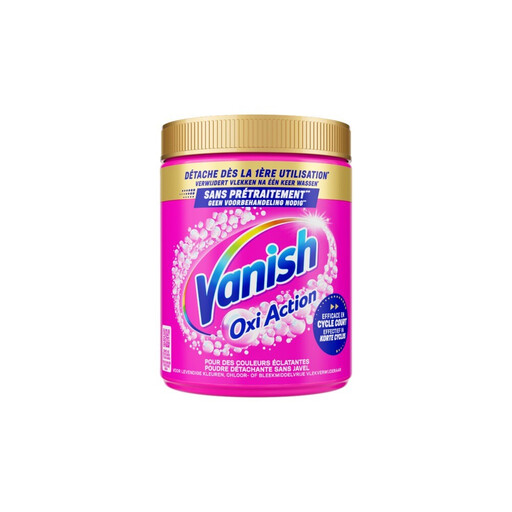
Why it fits this profile: According to the product information, the powder can be used in the wash, as a soaking solution, or as a paste for pre-treatment. That’s practical for households with a variety of stains.
The instructions mention specific dosages, a maximum soaking temperature of 40 °C, and a limited dwell time for pre-treatment.
Three usage methods; dosage of approximately 60 g for tough stains according to the product information; suitable for coloured clothing.
With sprays, it’s wise to ventilate the room well and avoid contact with eyes and skin. Always use powder dry and keep the product away from children.
A colour catcher, such as At Home Colour Catcher Sheets, doesn’t remove stains but is designed to capture loose dyes during the main wash. This can be a useful addition if protecting coloured laundry is important to you. Always follow the product information and safety warnings here too.
We’ve put together a full, up-to-date list of products that fully meet these strict selection criteria and comply with current European safety regulations.
Look for a product that the product information says is suitable for grease or oil. A gel is handy for a small, localised stain; a powder can be more practical when you’re treating several items. The effectiveness also depends on the age of the stain, the fabric, and the correct dwell time.
Only if the label states it’s suitable for coloured laundry. Don’t automatically use a product for white laundry on coloured items. If in doubt, test a hidden area first and don’t exceed the recommended dosage or dwell time.
Check the expiry, batch, or usage information on the packaging. Store the product as directed: powder dry and well sealed, liquid cool and out of direct sunlight. An opened pack can become less practical if powder absorbs moisture or a spray no longer doses properly.
