
Livraison le jour même et le lendemain

Qualité garantie

Débloquez vos offres de bienvenue: Livraison GRATUITE | Jusqu'à -80 % | 30 jours d'essai gratuits à JoyPlus
Téléchargez l'application
A coffee stain on a white shirt, grease on children’s clothing, or a dried-on sauce mark on a coloured jumper: laundry detergent alone doesn’t always shift these stains. When you search for a stain remover for clothes, you’ll quickly come across sprays, gels and powders making big promises. Yet not every product suits every fabric, colour or stain.
The right choice starts not with the brand name, but with how you’ll use it. Pay attention to the application, the dosage, the permitted fabrics and the safety information on the label.
Terms like “works in 30 seconds” refer to the product description or a brand claim. They don’t mean that every stain on every material will disappear in that time. An old oil stain, for example, requires a different treatment to a fresh coffee stain.
According to the product descriptions from various brands, a short pre-treatment may be possible, but always follow the maximum dwell time. Leaving it on too long can cause unnecessary discolouration or damage.
A stain remover for white and coloured laundry shouldn’t automatically be used on every garment. Check the care label and test a small, inconspicuous area of fabric if you’re unsure. Dark, brightly coloured or coated materials in particular can react differently.
A product designed for coloured clothing is usually the more sensible choice when colour retention matters. For wool, silk, leather and items that need dry cleaning, many standard stain removers are not suitable.
A 950 ml bottle might seem good value, but the cost also depends on the dosage and the number of applications. A small gel with a dosing cap can be more convenient for spot treatment, while powder may be suitable for multiple washes or larger loads of laundry.
Also check whether the packaging contains warnings, such as eye irritation, skin irritation or harm to aquatic organisms. Use the product only according to the label, keep it out of reach of children, and rinse your hands or tools after use.
Check whether the product is suitable for white laundry, coloured clothing or both, according to the packaging. Also look at the exclusions. For example, the product information for Vanish Oxi Action powder states it should not be used on silk, wool, leather or items that require chemical cleaning.
Don’t use a stain remover for coloured clothing on delicate fabrics on a whim. A care label takes priority over general marketing claims.
A product may be described by the manufacturer or product description as suitable for low temperatures, but the actual treatment still depends on the stain, the material and the wash cycle. Look at:
When removing stubborn stains, it often helps to act as quickly as possible. Gently blot a liquid first and don’t rub hard straight away, as this can push the stain deeper into the fibres. Treat both sides of the fabric when the instructions advise it.
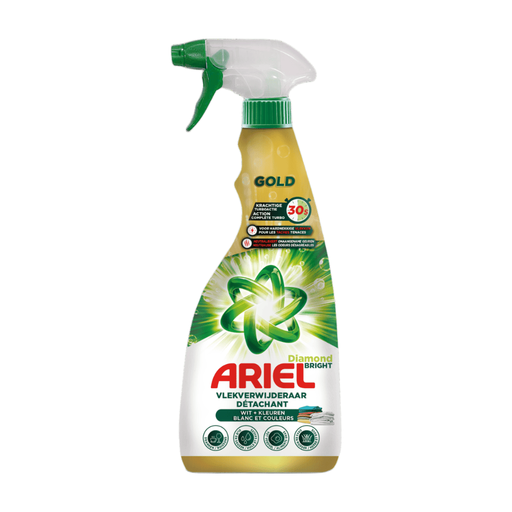
Why this fits the profile: The spray is easy to apply directly to stains and, according to the product description, is suitable for both white and coloured clothing. That makes it practical for households looking for one product for everyday stains.
The usage instructions mention a short pre-treatment and washing on the normal programme. Do check the fabric and take note of the safety warnings, including flammability and risk of serious eye damage.
Spray format, 750 ml; according to the product description, suitable for white and coloured clothing and for pre-treatment.
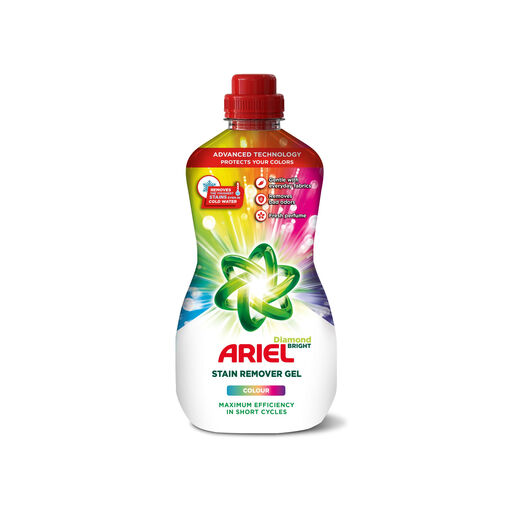
Why this fits the profile: The gel format is designed for direct application. At 950 ml, this is a sensible option for households that regularly want to pre-treat stains.
The product description distinguishes between coloured and white clothing. Still check the care label and, if in doubt, test on a hidden area first.
Gel format for direct application; 950 ml content; according to the product description, intended for daily use and low temperatures.
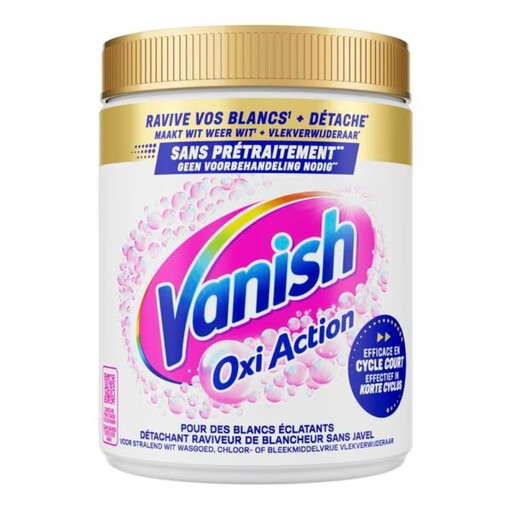
Why this fits the profile: According to the product information, the powder format offers multiple uses: in the wash, as a soak, and as a paste for spot treatment.
The instructions specify exact amounts and a maximum soaking and dwell time. According to the information, the product is not intended for wool, silk, leather or dry-clean-only items.
Suitable for use in the wash, soaking and pre-treatment; dosage for normal and stubborn stains is stated in the product information.
We’ve put together a full, up-to-date list of products that fully meet these strict selection criteria and comply with current European safety regulations.
If you want to remove grease stains, for example, treat the stain as soon as possible. A dried-on grease stain may be listed as a specific application in the product information for some gels or powders, but the result still depends on the fabric, the age of the stain and the amount of grease.
A spray is practical for quick spot treatment. A gel often gives you more control on small stains. Powder is more flexible if you also want to soak or add a product to the main wash. Choose based on your laundry routine, not just on the promised speed.
That depends on the product instructions. Some products are described as suitable for both white and coloured laundry. Always check the packaging, the care label and any restrictions for delicate fabrics.
The shelf life varies by product. For some items, the relevant date or period after opening is printed on the packaging. Other washing powders mainly state a recommended usage period from production, provided they are stored dry and tightly sealed. Always follow the information on the product’s own label.
