
Vandaag of morgen in huis

Kwaliteit gegarandeerd

Welkomstaanbiedingen ontgrendelen: GRATIS bezorging | Tot 80% korting | Gratis 30 dagen JoyPlus-proefperiode
Download de app
Choosing a stain remover for clothes might seem straightforward, but the wrong formula can cause discolouration, damage or unnecessary expense. Families with children, busy households and people who frequently wash at low temperatures in particular will benefit from a product that suits both the type of stain and the fabric.
Watch out for these common pitfalls before making a purchase:
First, check the care label on the garment. Then look on the packaging to see whether the stain remover is intended for:
A stain remover for white and coloured washes is practical for a mixed household stock, but always test the product on an inconspicuous area first. For example, the G'woon Oxi Stain Remover powder states that wool, silk and leather are not suitable. The manufacturer also recommends a colourfastness test and warns not to expose the fabric to sunlight before washing.
Do not use a product intended for surfaces or bathroom cleaning on clothing. A product such as a mould and stain remover for tiles may contain bleach or caustic ingredients and does not belong in the laundry.
The format mainly determines how you use the product:
With claims such as "removes 120 types of stains" or "antibacterial action", this is information from the product description or a brand claim. According to the brand's own research, a formula may deliver certain performance, but the result also depends on the stain type, temperature, fabric and treatment time.
A powerful stain remover does not automatically work better with a higher dosage. Too much product can be difficult to rinse out and increases the cost per wash. Therefore, follow the measuring scoop, dosing cap or spray instructions on the packaging.
Also check the recommended wash temperature. Some products are described as suitable for low temperatures, but the garment's care label remains the deciding factor. With a stain remover for laundry, it is usually wise to treat a fresh stain as quickly as possible. Do not dry the stain with heat before checking that it has been sufficiently removed.
Pay attention to the hazard symbols and safety phrases on the label. Many sprays can cause skin or eye irritation. Keep powders, gels and laundry capsules out of reach of children and pets. Store them sealed, dry and preferably in their original packaging. Do not mix different cleaning products together.
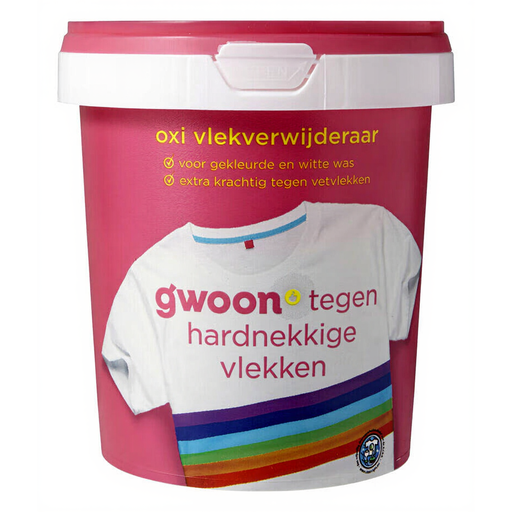
Why this suits the profile: The tub contains 750 grams of powder and offers multiple uses: add to the wash, soak or treat locally.
The usage instructions list dosages for normal and stubborn stains. This means you don't have to guess and add extra powder.
750 gram contents; suitable for adding to the wash, soaking and local treatment; not intended for wool, silk and leather.
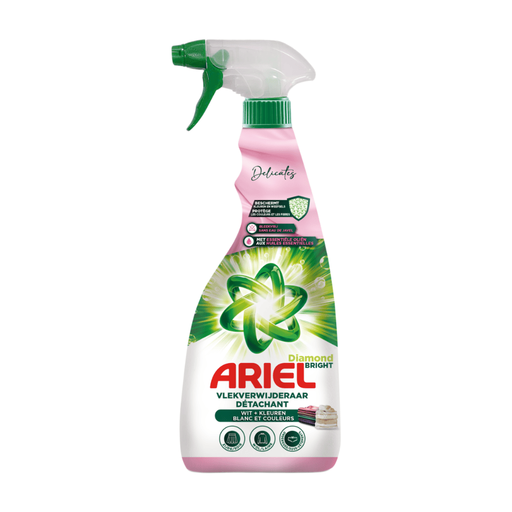
Why this suits the profile: If you're looking for a spray for different types of clothing, you get a formula that, according to the product description, is intended for white and coloured clothing, silk, wool and baby clothes.
The product information explicitly states that the formula contains no bleach. Still, testing on an inconspicuous area remains advisable.
Spray format of 750 ml; described as suitable for delicate clothing; maximum five minutes dwell time.
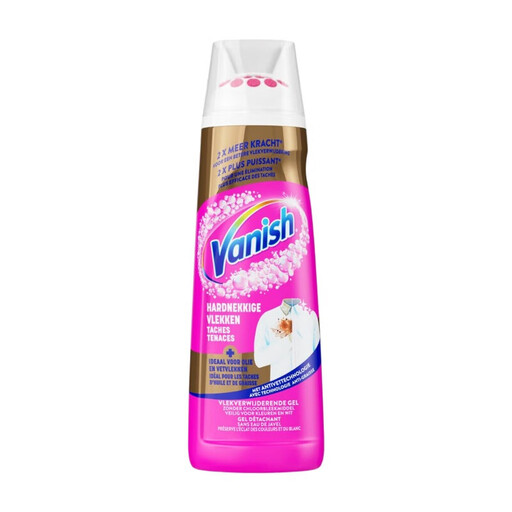
Why this suits the profile: The compact gel is designed for direct treatment and features a rub-in applicator for targeted application on, for example, dried-on oil and grease stains.
The small pack makes it clear that this is primarily a pre-treatment, not a replacement for your regular detergent.
200 ml contents; rub-in applicator for local application; according to the product description, aimed at dry grease and oil stains.
We've put together a full, up-to-date list of products that fully meet these strict selection criteria and comply with current European safety regulations.
Do not automatically use an oxi stain remover on every material. For coloured clothing, products such as Ariel Diamond Bright Colour Stain Remover are described as being designed to treat stains while preserving colour. For delicate fabrics, a separate spray makes more sense than an aggressive powder treatment.
Choose a product that explicitly states it is suitable for coloured washes. Test the colourfastness beforehand and follow the dosage. A spray or gel is handy for a single stain; powder is more practical when you want to treat a whole wash load.
You can only do this if both labels allow it. Laundry detergent capsules are intended for a normal machine wash and are placed in the drum. A separate stain remover can be used as an addition, but do not use extra product without checking the dosage instructions.
The shelf life varies per product. Look on the packaging for the best-before date, batch information or period after opening. Store powder in a dry place and gels or sprays in a cool, sealed location, out of reach of children.
