
Vandaag of morgen in huis

Kwaliteit gegarandeerd

Welkomstaanbiedingen ontgrendelen: GRATIS bezorging | Tot 80% korting | Gratis 30 dagen JoyPlus-proefperiode
Download de app
A black blouse with white streaks under the arms. A white T-shirt with yellowish stains that won't come out in the wash. It's a familiar problem. You choose a deodorant for freshness and protection, only to be left with unwanted stains on your favourite clothes.
Finding a good stain-free deodorant can be a real challenge. The shelves are packed with products all making bold promises. In this guide, we're here to help. We'll explain what to look for and highlight several popular choices, so you can find a deodorant that works for you and your wardrobe.
Before you make a choice, it's helpful to understand what causes the stains and how to choose the right deodorant.
The terms are often used interchangeably, but there is a difference. A deodorant primarily masks or neutralises the odour of sweat. An antiperspirant reduces sweat production itself, usually through the use of aluminium salts. It's precisely these aluminium salts that can react with sweat and sebum, causing yellow deodorant stains on light-coloured clothing. White marks on dark clothing are often just powdery residue from the deodorant itself. Many modern antiperspirants have a specialised formula to prevent both types of stains.
Manufacturers are well aware of the staining problem. That's why they develop special product lines to address it. Look for terms like "Invisible," "Black & White," or "Anti-Stains" on the packaging. These products contain ingredients that prevent stain formation and ensure the deodorant for black clothes and white clothes remains invisible. Often, these formulas are also alcohol-free, which reduces the risk of skin irritation.
The application method also has an impact. A roll-on applies the liquid directly and in a concentrated manner. A spray distributes the product over a larger area. Your choice is a matter of personal preference. A general rule of thumb: let any deodorant, regardless of type, dry for a moment before getting dressed. This gives the product time to absorb into the skin and reduces the chance of it transferring directly onto your clothes.
Based on product specifications and their specific focus on preventing stains, we have selected a few options for you.
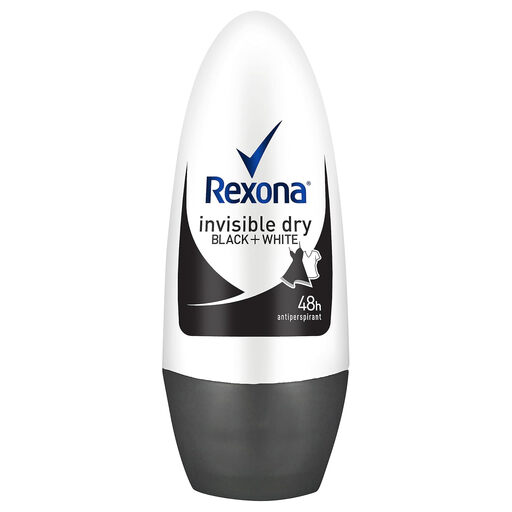
Why It Stands Out This roll-on from Rexona Invisible is specifically developed with a formula that focuses on preventing both white marks on dark clothing and yellow stains on white clothing. The addition of sunflower oil is intended for extra skin care.
Benefits
Who It's For? For those seeking a reliable roll-on for daily use that is effective on both light and dark clothing.
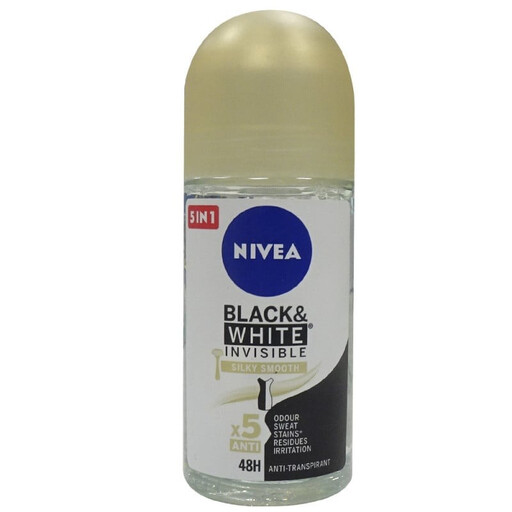
Why It Stands Out The Nivea Black and White line is a well-known name when it comes to stain prevention. According to Nivea, this roll-on offers five-fold protection: against odour, sweat, stains, residue, and irritation. The manufacturer claims protection for up to 72 hours.
Benefits
Who It's For? For users looking for long-lasting protection with a formula renowned for its anti-stain properties.
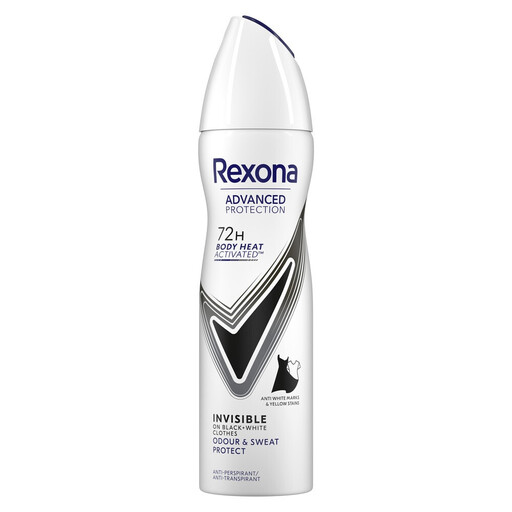
Why It Stands Out This antiperspirant against white marks in spray form offers a different user experience than a roll-on. Rexona states that this product provides up to 72 hours of protection and uses motion-activated technology. The scent of jasmine and citrus notes provides a fresh feeling.
Benefits
Who It's For? For those who prefer a deodorant spray and are looking for long-lasting protection, even on active days.
The choice of a deodorant is highly personal. You might prefer a stick, a cream, or a different scent. If the options above don't quite meet your needs, there's more to discover.
Browse our full range and find the deodorant that's right for you.
Discover more options in our Unisex Deo category
Yellow stains are caused by a chemical reaction between the aluminium salts in an antiperspirant, sweat, and the sebum (skin oils) on your skin. When this mixture soaks into the fibres of your clothing, especially light-coloured fabrics, it can oxidise over time and cause a stubborn yellow discolouration that is difficult to remove.
A deodorant without aluminium (i.e., not an antiperspirant) significantly reduces the risk of yellow stains, as the main culprit is absent. However, these products do not reduce sweat production but focus on masking odour. If you struggle with white marks, these can still occur from powdery residues in the formula, although many modern deodorants are adapted to prevent this.
Both can cause stains if not used correctly. A roll-on applies a wet, concentrated layer that needs to dry thoroughly. If you get dressed too quickly, the wet liquid can transfer directly to your clothes. A spray can leave a powdery residue if you spray too close or use too much, leading to white marks. The key for both is to apply a thin layer and give the product time to dry.
