What should you look for when choosing?
First decide whether you need a base for savoury toppings or a biscuit for a separate occasion. For lunch products, choose the size you want and compare the packaging for the exact product.
Wholemeal toast or cracker
Choose this: if you want a topped lunch with a clearly identified wholemeal base or would like to compare fibre levels.
Bear in mind: the wholemeal claim alone tells you nothing about the salt content or allergens.
Plain crisp toast
Choose this: for small topped bites or a self-service buffet where a light, neutral-sized option works well.
Bear in mind: consider how the toast will be served with your chosen toppings; a small piece of toast is not a complete lunch in itself.
Digestive biscuit
Choose this: if the canteen wants to offer a sweet biscuit as well as lunch.
Bear in mind: a digestive serves a different purpose from toast for savoury toppings; its name does not imply any health benefit.
| What to consider |
What to check before buying |
Who it matters most to |
| Whole grains and fibre |
Check the wholemeal claim and compare the fibre and salt per 100 g for the exact product. |
If I serve toast as the base for a topped lunch, I want to know what the grain product itself contributes, separately from the toppings. For around 33% of consumers, having a wholemeal base and knowing its fibre content are the top priorities. |
| Size and crispness |
Check the size and storage instructions. Decide whether you will add toppings just before serving or earlier. |
For self-service, I want to be able to put out and top the toast without its size becoming impractical. Ease of use matters most to around 27% of consumers. |
| Allergens and dietary requirements |
Check the ingredients, allergens and any cross-contamination warnings for each product. Assess gluten-free options separately. |
When guests have dietary requirements, I need to be able to tell them what I am serving and how it is presented. That is why clear allergen information is the top priority for around 27% of consumers. |
| Biscuit occasion |
Check that you are buying a biscuit, and compare the nutritional information per 100 g and the serving size. |
If I want to offer something sweet with coffee, I am looking for a biscuit, not another base for savoury toppings. Around 13% of consumers put this separate sweet occasion first. |
Gluten-free is a separate product requirement; it does not follow from choosing wholemeal, plain or a particular size of toast. Van der Meulen describes its Rice toast as certified gluten-free. This does not automatically apply to its regular Melba toast products.
Brands to consider
For these brands, compare the specific product range and packaging: Melba toast, crackers and biscuits are different products.
Van der Meulen
Offers Melba toast in plain, wholemeal and sesame varieties, among others, as well as a separate Rice toast range.
- Van der Meulen says its Melba Toast Wholemeal is made from 100% wholemeal bread. The brand lists 9,7 g of fibre per 100 g for this product.
- The product information for the regular wholemeal variety lists sesame and cereals containing gluten, among other ingredients. The gluten-free claim for Rice toast does not automatically apply to Melba toast.
Bolletje
Lichte Crackers Volkoren are an alternative if a cracker format works better than small pieces of toast for a topped lunch.
- Bolletje describes these particular crackers as made from 100% whole grains.
- The product information lists wheat, barley and sesame, among other ingredients. Check the packaging for guests who need to avoid these ingredients.
Albert Heijn
Offers both AH Melba toast plain for topped bites and AH Digestive for a separate biscuit occasion.
- The two products make it possible to distinguish between a savoury toast base and a biscuit.
- The product information for AH Melba toast plain lists cereals containing gluten and soya. Check the allergen information on each product's packaging rather than relying on the brand.
Jumbo
The product information for Haust Krokant Toast and digestive biscuits gives you a basis for assessing their serving purpose and nutritional information separately.
- Jumbo describes Haust Krokant Toast as toast for toppings and lists nutritional values per 100 g for McVitie's Digestives Original.
- The information for Haust Krokant Toast lists egg and cereals containing gluten. Also check the relevant packaging for any cross-contamination warnings.
ALDI / Sun Snacks
Sun Snacks Melba Toast Naturel is a plain Melba toast product in a 240 g pack.
- ALDI describes the product as crisp, toasted bread.
- Compare the ingredients, allergens and nutritional information on the packaging before choosing this product for your canteen.
Products for different occasions
This Joybuy selection includes crackers as possible bases for toppings and digestives for a separate sweet occasion. A cracker is not Melba toast, and a digestive is not savoury lunch toast. Always check the packaging of the product you choose for canteen use.
 No image available
Wasa High-Fiber Crackers, 300 g
A cracker option if you are looking for a base for toppings rather than small pieces of Melba toast.
Check the nutritional information and allergens on the packaging before serving the crackers unpackaged.
View at Joybuy
 No image available
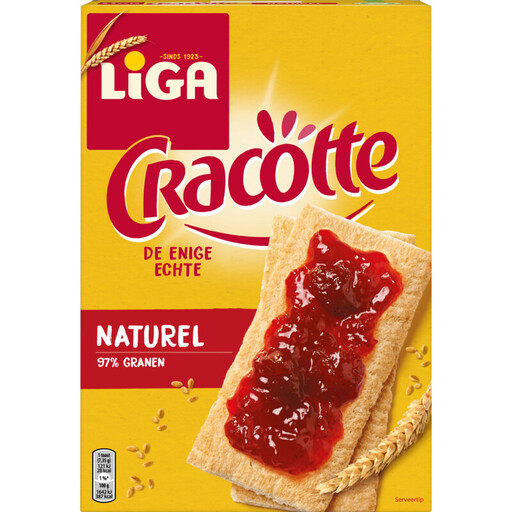
Lu Cracottes Natural, 250 g
A cracker option to consider if you would prefer a different size from small pieces of toast for a topped lunch.
Check the wholemeal claim, nutritional information and allergens for this product on the packaging.
View at Joybuy
 No image available
McVities Digestive Original, 400 g
A digestive biscuit for a separate sweet occasion, not for savoury toppings.
Jumbo lists 15,1 g of sugars and 21,3 g of fat per 100 g for McVitie's Digestives Original. If serving unpackaged, check the allergen information on the packaging.
View at Joybuy
 No image available
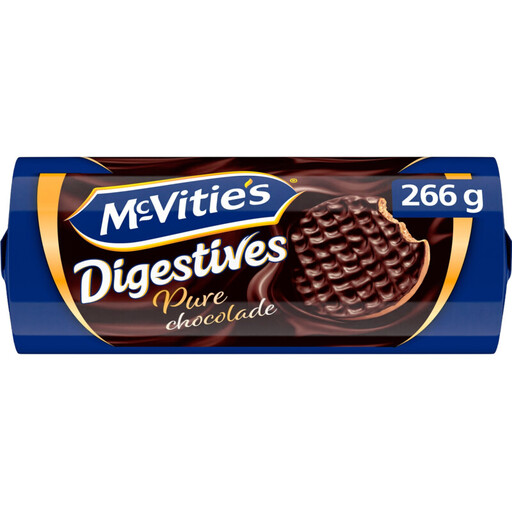
McVitie's Digestives with Dark Chocolate, 266g
A digestive biscuit with dark chocolate for a separate sweet occasion, not as a base for a savoury lunch.
Check the nutritional information and allergens for this chocolate variety on the packaging.
View at Joybuy
 No image available
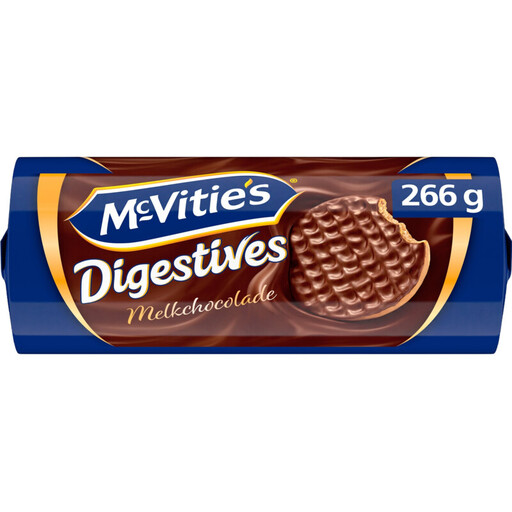
McVitie's Digestives Milk Chocolate, 266 g
A digestive biscuit with milk chocolate for a sweet treat alongside lunch, not a replacement for toast with toppings.
Compare the nutritional information and allergens for this variety with those of the other biscuits you are considering.
View at Joybuy
Frequently asked questions
Is a digestive biscuit the same as toast for lunch?
No. A digestive is a biscuit, not a savoury toast base. Treat biscuits as a separate choice for a sweet occasion, and compare their nutritional information and serving size within that category.
When can toast or a cracker be called wholemeal?
According to the Netherlands Nutrition Centre, a product can only be called wholemeal if it is made entirely from wholemeal flour. Check the current packaging, too: in 2024, the Netherlands Food and Consumer Product Safety Authority reported that some products it had examined were incorrectly labelled as wholemeal.
What allergen information does a canteen need for loose pieces of toast?
For unpackaged toast, allergen information must be available before purchase, according to the Netherlands Food and Consumer Product Safety Authority. It can be provided in writing or, under the applicable conditions, verbally. If it is provided verbally, guests must be clearly told that they can ask for it.
Does toast automatically contain iodine from baker's salt?
No, you cannot assume that. The Netherlands Nutrition Centre says that using baker's salt is not compulsory. Check the ingredients for the specific toast or cracker, or ask the manufacturer.
How should you store toast after opening it for the canteen?
Follow the storage advice on the packaging and seal opened toast securely. For self-service, put out only the amount you need at the time so that the rest can stay sealed.


