
Vandaag of morgen in huis

Kwaliteit gegarandeerd

Welkomstaanbiedingen ontgrendelen: GRATIS bezorging | Tot 80% korting | Gratis 30 dagen JoyPlus-proefperiode
Download de app
A bottle of squash syrup might seem simple to choose. Yet two bottles with a similar volume can differ greatly in taste, sugar content, dilution and the number of glasses you can make from them. If you only look at the front of the packaging, you could end up paying more for less yield, or pick a syrup that doesn't suit everyday use.
So pay particular attention to these three common pitfalls:
The yield is important for families, parties and daily use. Some products state that one bottle makes around 30 glasses of 200 ml. Slimpie states on its 650 ml bottles a dilution ratio of 1 part syrup to 11 parts water, yielding nearly 8 litres of squash, or around 39 glasses.
Other brands use a ratio of 1 to 9. Karvan Cevitam states for various flavours that one 600 ml bottle makes up to about 6 litres of squash, which works out at roughly 30 glasses of 200 ml.
So don’t just compare the price per bottle, but also:
The stated ratio is a guideline. If you prefer a stronger flavour, you might use more syrup, which means the actual yield will be lower.
For sugar-conscious shoppers, a sugar-free syrup can be practical. Slimpie Raspberry Syrup and Slimpie Lemon Syrup state, according to the product information, 0 grams of sugar and 0 kcal per 100 ml of product. The sweet taste there comes from sweeteners such as sucralose and acesulfame-K.
A fruit syrup with sugar, on the other hand, can offer a fuller or more traditional flavour profile. JENI Peach Syrup states around 270 kcal and 65 grams of sugar per 100 grams. JENI Strawberry Syrup contains, according to the stated nutritional information, 248 kcal and 48 grams of sugar per 100 grams.
Bear in mind that nutritional values usually refer to the concentrate, not to a glass of prepared squash. So compare products on the same basis. Also look at the ingredients list: ingredients are listed in descending order of quantity. A high fruit percentage can also consist largely of apple, even though the name highlights, for example, pear, raspberry or orange.
A flavour name doesn’t always tell you how much of the named fruit is actually present. Van De Boom Pear Syrup, for example, states 85% fruit juice from concentrate, of which 75% is apple and 10% is pear. According to the product description, it contains no added sugars, but does contain naturally occurring sugars and sweeteners.
With Slimpie Orange Raspberry Syrup, the stated fruit content on the label is 2.9% orange and 0.1% raspberry. The flavour combination may be appealing, but it’s certainly not a syrup with a high raspberry content.
For fans of fruit syrup, raspberry syrup or orange syrup, it’s therefore wise to check three things:
Always check the packaging for allergies or dietary preferences. Product information can change. For vegan use, Slimpie Raspberry Syrup and Raak Multi-Fruit Syrup are listed as vegan according to the information provided. Taksi Orange Cordial contains milk derivatives and therefore doesn’t suit a vegan diet.
The following products have been selected based on verifiable data such as volume, yield, nutritional values, fruit percentage and usage possibilities.
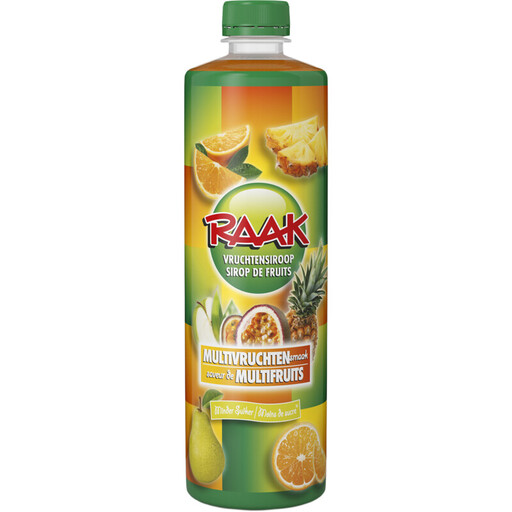
Why this fits the profile: An accessible choice for households that want one bottle for the whole family. The flavour combines apple, orange, passion fruit, pear and pineapple.
The product information states around 30 glasses of 200 ml. This makes the yield easier to compare than with a bottle that has no clear portion indication.
28 kcal and 6.7 grams of sugar per 100 ml according to the product data; listed as vegan and gluten-free.
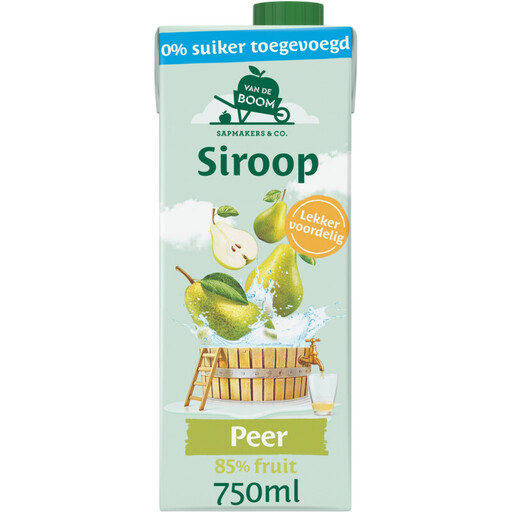
Why this fits the profile: Suitable for those who value a high stated fruit percentage and are looking for a pear-like fruit flavour for squash or desserts.
The composition makes it clear that the fruit content is mainly apple. This means you can better align your flavour expectations with the label.
750 ml volume; according to the product description, 85% fruit and 0% added sugars; around 30 glasses.
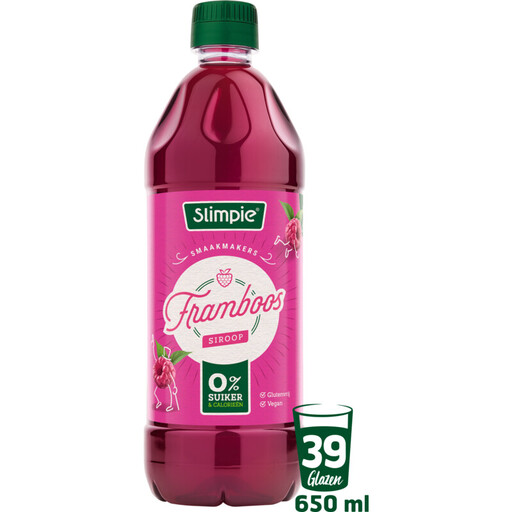
Why this fits the profile: Handy for households that often use syrup for water and want to get plenty of glasses from one bottle, with no sugar in the concentrate according to the product information.
The stated ratio of 1 to 11 and the yield of around 39 glasses make the usage clear in advance.
0 grams of sugar and 0 kcal according to the nutrition table; listed as vegan and gluten-free; also suitable with sparkling water.
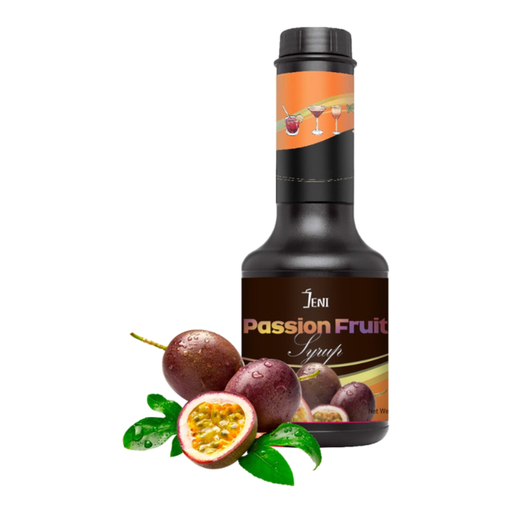
Why this fits the profile: An option for fans of tropical syrup who like to alternate squash with cocktails, desserts or baking recipes.
The product description mentions multiple uses. Do check the dosage, though, as the bottle contains sugars and sweeteners.
Passion fruit profile; 456 ml volume; according to the product information, suitable for water, sparkling water, cocktails, desserts and baking.
We’ve put together a full, up-to-date list of products that fully meet these strict selection criteria and current European safety regulations.
That depends on the recommended dilution ratio. With 1 to 9, for example, you mix 1 part syrup with 9 parts water. With 1 to 11, you use less syrup per glass. Start with the ratio on the label and then adjust the flavour carefully.
Always follow the storage instructions on the bottle. Many syrups need to be refrigerated after opening and used within the stated period. Close the lid tightly and don’t store the bottle in direct sunlight or near a heat source.
A sugar-free squash syrup usually contains sweeteners and isn’t the same as a product with no sweet taste. Check the ingredients and nutritional values on the label. For specific dietary requirements, allergies or intolerances, the current packaging is the deciding factor.
