
Vandaag of morgen in huis

Kwaliteit gegarandeerd

Welkomstaanbiedingen ontgrendelen: GRATIS bezorging | Tot 80% korting | Gratis 30 dagen JoyPlus-proefperiode
Download de app
A bottle of squash syrup may seem simple to choose, but the differences between products can be significant. Some syrups mainly contain sugar and flavouring, while others contain more fruit juice, sweeteners or unusual ingredients. The recommended dilution also varies. As a result, an inexpensive bottle may prove less economical to use than expected.
When comparing squash syrups, pay particular attention to three common pitfalls:
The mixing ratio determines the flavour, how much syrup you use and the cost per glass. Karvan Cevitam gives a ratio of 1 part syrup to 9 parts water for several varieties. According to the product description, a 600 ml bottle makes up to around 6 litres of squash, or approximately 30 glasses.
According to the product information, 650 ml of Slimpie Raspberry Syrup uses a ratio of 1:11. One bottle is described as making almost 8 litres of squash, or around 39 glasses. A higher dilution can be useful for families, offices or children’s parties, as long as you are happy with the flavour.
Use sparkling water if you want to make syrup for sparkling water. It is best to add the syrup to chilled sparkling water rather than shaking it vigorously. This helps to reduce foaming.
Compare the nutritional values per 100 ml of syrup and, where available, per prepared serving. Traditional fruit syrup often contains sugar. For example, Karvan Cevitam Orange lists 55 grams of sugar per 100 grams of syrup. The product description also mentions 75% fruit juice from concentrate and added vitamin C.
With a sugar-free syrup, you should read the ingredients list. According to the product information, Slimpie Raspberry contains 0 grams of sugar and 1 kcal per 100 ml of syrup, but does contain sweeteners such as sucralose and acesulfame K. Raak Zero Pear also lists 0 grams of sugar and 1 kcal per 100 ml, with acesulfame K, sucralose and steviol glycosides among its ingredients.
“ No added sugars” is different again from “sugar-free”. According to the product description, Van De Boom Pear contains 85% fruit juice from concentrate and 0% added sugars, but it still contains naturally occurring sugars. This makes the pear syrup a different choice from a completely sugar-free variety.
For drinking water every day, familiar flavours such as orange, raspberry, blackcurrant, peach and pear are often a good choice. For a mocktail, dessert or cocktail, a more distinctive flavour may be more appealing.
Check the current ingredients and allergen information on the packaging for every product. Even when a product is described online as containing none of the 14 major EU allergens, the label remains the most relevant source of information.
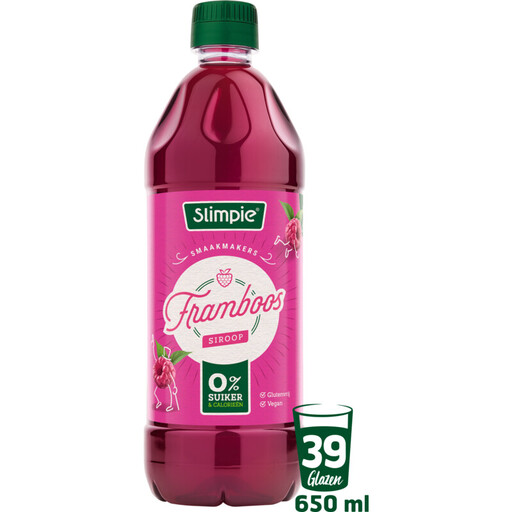
Why it suits this profile: A practical choice for families who want to make plenty of glasses while limiting their sugar intake. According to the product information, the flavour is suitable for still and sparkling water.
The product description gives a 1:11 mixing ratio and a yield of almost 8 litres. This makes it easier to estimate the cost per glass.
According to the nutritional information, 0 grams of sugar and 1 kcal per 100 ml of syrup; vegan and free from the 14 major EU allergens according to the product information.
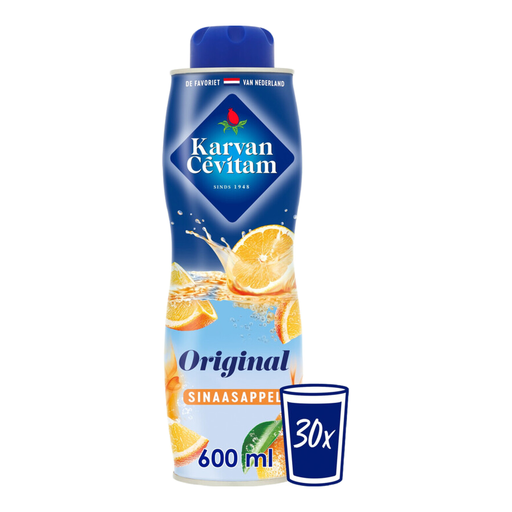
Why it suits this profile: Ideal if you are looking for a clear fruit base and classic orange flavour for everyday use, parties or mocktails.
The stated fruit percentage is shown alongside the ingredients list. This makes it clear that it is a blend of mandarin, orange and apple, rather than orange alone.
According to the product description, up to 75% fruit and 30 glasses per bottle; the nutritional information lists 55 grams of sugar per 100 grams of syrup.
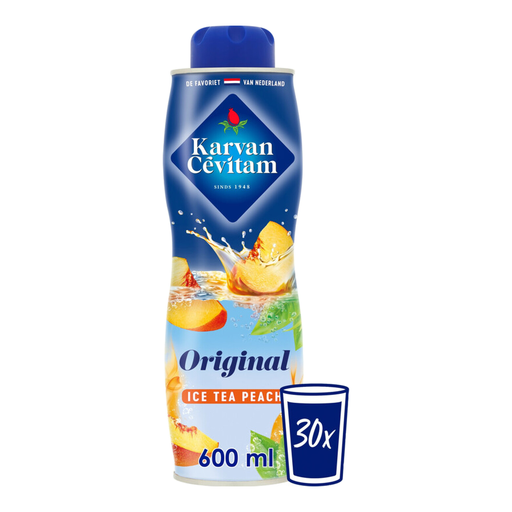
Why it suits this profile: A convenient option for peach syrup and iced tea lovers who want to use one bottle for still water, sparkling water and mocktails.
The product information gives both the 1:9 ratio and a yield of up to 6 litres. It also clearly states that sugar is the main ingredient.
According to the product description, this syrup contains tea extract, 10% peach juice from concentrate, and no colourings or artificial flavourings.
We have put together a complete, up-to-date list of products that fully meet these strict selection criteria and the applicable European safety regulations.
Not every sugar-free syrup has exactly the same nutritional values. Check the table per 100 ml and per prepared drink. According to the product information, Slimpie Raspberry contains 1 kcal per 100 ml of syrup. Sweeteners, acids, flavourings and preservatives may also be used. So make your choice based on the full ingredients list, rather than just the front of the bottle.
Storage time varies from one product to another. Many squash syrups should be refrigerated after opening and used within the period stated on the label. Close the bottle tightly, use clean kitchen utensils and check the best-before or use-within information on the packaging. A bottle that is frequently left open may deteriorate in quality more quickly.
Compare the price per litre of prepared drink. Divide the bottle’s contents according to the stated mixing ratio, then check how many glasses you actually pour. A syrup with a high yield can be practical for everyday use, while a product with more sugar or a higher fruit content offers a different flavour and nutritional profile. The right choice therefore depends on your consumption, taste and the ingredients.
