
Parents comparing the sugars in biscuits
You want to compare the amount of sugars per 100 g and per biscuit. Depending on what you’re looking for, a different type of biscuit may be a better fit than a spritz.


If you’re set on a spritz biscuit, compare the nutritional information for the variety you choose: Verkade lists 24,2 g of sugars per 100 g for Nobo Sprits Original. If a lower sugar content matters more than the spritz shape, Verkade’s San Francisco Zero, at 1,7 g of sugars per 100 g, and Céréal Zonder Suikers Kokos, at 0 g per 100 g according to Jumbo, are other types of biscuit to compare. Before buying, check the current packaging for portion size and allergens, and check your school or after-school club’s policy before packing one.
You want to compare the amount of sugars per 100 g and per biscuit. Depending on what you’re looking for, a different type of biscuit may be a better fit than a spritz.
A biscuit for a lunchbox or to share needs to suit any relevant allergies and comply with your school or after-school club’s policy. Check the current label and ask about the rules that apply.
You’re looking for something simple for after school, without making biscuits the default snack. The Netherlands Nutrition Centre lists fruit, vegetables and wholegrain foods among the options for children.
First decide whether the spritz shape matters more than a lower sugar content. Then compare sugars on the same basis and check separately whether the biscuit can be taken to school.
A good fit if: you specifically want a spritz biscuit and a low sugar content isn’t essential.
The trade-off: Verkade lists 24,2 g of sugars per 100 g for Nobo Sprits Original; consider this alongside your preferred portion size.
A good fit if: you’re looking for a biscuit with fewer sugars per 100 g and aren’t set on a spritz.
The trade-off: San Francisco Zero and Céréal Zonder Suikers Kokos aren’t spritz biscuits; check the ingredients and allergens on each product’s label.
| What to consider | What to check when buying | Who this matters most to |
|---|---|---|
| Sugars per snack occasion | Compare sugars per 100 g, then check the amount per biscuit or portion. | If I want to limit the amount of sugars, I need to see what one biscuit contributes, even if the alternative isn’t a spritz. Around 33% of consumers put reducing sugar first. |
| Allergens and school policies | Read the ingredients and any may-contain warnings on the current packaging; check your school or after-school club’s policy. | Before packing or sharing anything, I want to know that it’s suitable for any relevant allergies and follows local rules. For around 42% of consumers, this check is the top priority. |
| Portion size and packing | Check the portion size and whether the packaging suits the amount you want to pack. | After school, I want to be able to pack a practical, clearly defined portion without having to guess the amount. This convenience comes first for around 25% of consumers. |
Verkade lists 24,2 g of sugars per 100 g for Nobo Sprits Original. The type of biscuit alone doesn’t tell you whether it contains less sugar.
Compare the nutritional information per 100 g and per portion. If a lower sugar content is your main priority, consider a different type of biscuit.
The biscuits discussed contain wheat, and some have other product-specific allergens or may-contain warnings. The sugar content won’t answer questions about these.
Read the current ingredients list and allergen information before buying or packing a biscuit. If there’s a known allergy, make sure your choice also complies with the relevant people’s and school’s policies.
Sugars are only one part of the nutritional information. The Netherlands Nutrition Centre also recommends fruit, vegetables and wholegrain options for children’s snacks.
Decide when you want to offer a biscuit, and consider those other options for everyday snack times too.
According to VOO, schools can set their own policies on food brought in from home and treats.
Check the school handbook or class information, or ask what the rules are before packing or sharing biscuits.
The product information discussed includes both Verkade’s Nobo Sprits Original and its different type of biscuit, San Francisco Zero.
Céréal Zonder Suikers Kokos is an alternative if you’re considering a different type of biscuit instead of a spritz.
Albert Heijn’s product information is another place to check the details for Verkade Nobo Sprits Naturel.
These products are alternatives if you’re not set on spritz biscuits: an oat biscuit and a strawberry wafer. Check the packaging for their nutritional information and allergens before choosing one for after school.
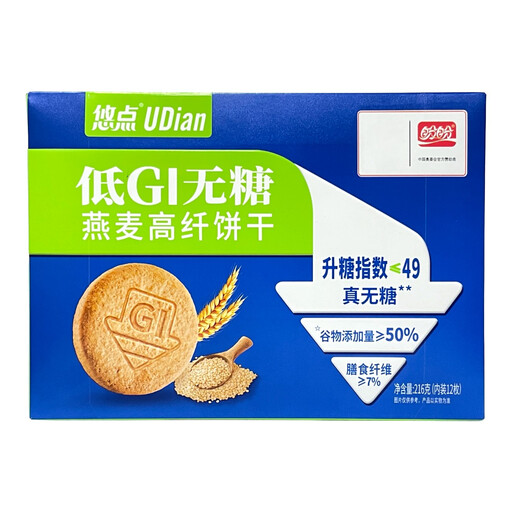 Image unavailable
An option if you’re not set on spritz biscuits for an after-school snack. The pack is 216 g; compare the sugars in the current nutritional information and decide how much to serve at each snack time. For allergens or any sugar claims, don’t rely on the product name alone.
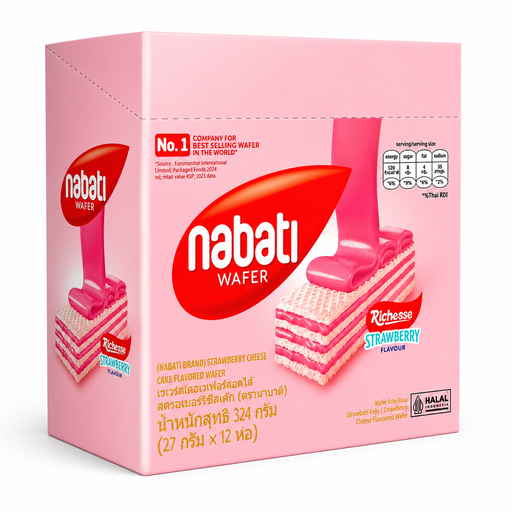 Image unavailable
A wafer option if a different type of biscuit suits your after-school snack better than a spritz. The product name states 12 × 27 g; check the current nutritional information for sugars per pack and read the allergen information before packing one.
You can’t assume that based on the type of biscuit: Verkade lists 24,2 g of sugars per 100 g and around 4,0 g per portion for Nobo Sprits Original. Check both the amount per 100 g and the portion size for the variety you buy.
No. Verkade describes San Francisco Zero as having ‘no added sugars’, but also lists 1,7 g of sugars per 100 g. The nutritional information tells you how much sugar the product contains.
That also depends on your school or after-school club’s policy and on any allergens that matter for the children concerned. Check the policy and read the current label before packing or sharing anything.
Yes. The product information discussed lists wheat in Verkade Nobo Sprits, San Francisco Zero and Céréal Zonder Suikers Kokos. Always check the ingredients list on the packaging you’re actually using; a low sugar content tells you nothing about allergens.
The Netherlands Nutrition Centre lists fruit, vegetables and wholegrain foods among the snack options for children. That way, you can save a biscuit for a separate snack occasion rather than automatically choosing one every time after school.