
A host keeping an eye on sugar
You want to offer something sweet with coffee or tea and are comparing the sugar content. You’re open to serving a different type of biscuit instead of a spritz.


If you’d like to serve a sweet biscuit with as little sugar as possible alongside savoury nibbles, the speculoos and digestive biscuits reviewed here are more suitable options than Verkade Nobo Sprits Original. According to product information from Céréal and Albert Heijn, they contain 0.4 g and 0.3 g of sugars per 100 g respectively, compared with 24.2 g for the spritz biscuit, according to Verkade. These alternatives aren’t spritz biscuits and contain polyols. Choose a classic spritz biscuit if that’s the type of biscuit you’re after, and serve it separately with coffee or tea.
You want to offer something sweet with coffee or tea and are comparing the sugar content. You’re open to serving a different type of biscuit instead of a spritz.
You’re looking for a recognisable spritz biscuit and want to know what you’d be giving up if you chose speculoos or a digestive instead.
You look beyond the sugars entry, as polyols or ingredients such as wheat, milk, egg, soya and almonds may matter to your guests.
First decide whether your priority is lower sugar or a classic spritz biscuit. Then check the nutritional information and ingredients for the biscuit you choose.
| What to consider | What to check when buying | Who it matters to |
|---|---|---|
| Sugars listed | Compare ‘of which sugars’ per 100 g and check the portion size. | I want to offer a sweet biscuit with coffee and am mainly watching the stated sugar content. This is the top priority for around 50% of consumers. |
| Biscuit type and occasion | Decide whether you want a classic spritz biscuit, and serve sweet biscuits separately from savoury snacks. | A recognisable spritz biscuit is part of my coffee break, even if another biscuit lists less sugar. Around 33% of consumers say that spritz experience is their top priority. |
| Polyols and allergens | Read the ingredients list, allergen information and any warning about polyols. | If guests need to avoid certain ingredients or polyols, I want to know first which biscuits are suitable for them. This check is the most important factor for around 17% of consumers. |
Speculoos and digestive biscuits are different types of biscuit. A lower stated sugar content doesn’t make them interchangeable with spritz biscuits if that’s specifically what you want to serve.
First choose between a classic spritz biscuit and another sweet biscuit. Then compare the nutritional information for the options that suit you.
A claim such as ‘0% sugar’ doesn’t, on its own, tell you about the energy content, portion size or other ingredients.
Read the current nutrition table per 100 g and per portion, paying attention to sugars, energy and polyols.
The biscuit alternatives discussed contain polyols and have different ingredients. According to the Netherlands Nutrition Centre, consuming high amounts of polyols can cause flatulence and diarrhoea.
If your guests have known allergies or sensitivities, check the current ingredients and allergen information on the packaging before serving the biscuits.
Spritz biscuits are sweet, so serving them among savoury bites can make it unclear what you’re offering.
Set spritz biscuits or an alternative aside for coffee or tea.
Verkade Nobo Sprits Original is a useful reference if you specifically want to compare classic spritz biscuits with other types of biscuit.
Céréal Speculoos with almond pieces, sugar-free, is an alternative to serve with coffee or tea, not a spritz biscuit.
AH Digestive 0% sugar is a different type of biscuit for anyone comparing the sugar content of sweet biscuits.
These oat biscuits are an option for a separate sweet treat alongside savoury nibbles, but not if you’re specifically looking for spritz biscuits. Check the sugar content on the packaging before choosing them for this purpose.
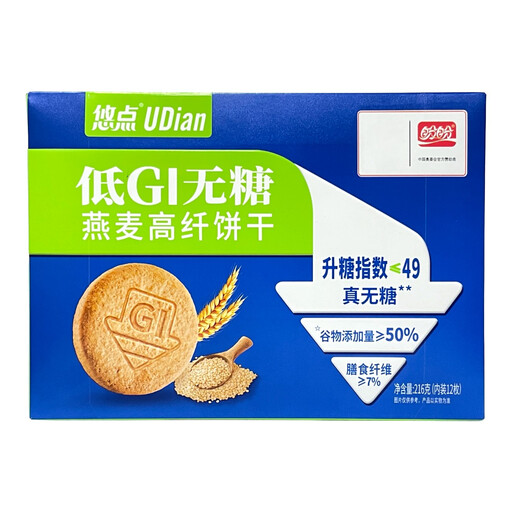 Image unavailable
Consider these biscuits if you’re looking for a different type of biscuit from spritz to serve with coffee. If you’re choosing based on sugar content, don’t rely solely on ‘Sugar-Free’ in the product name; check ‘of which sugars’ on the current packaging.
When checking the ingredients, also look out for maltitol, wheat, soya, oats and egg if these are relevant to you or your guests.
No. The Céréal speculoos and AH Digestive 0% sugar discussed here are different types of biscuit. Verkade lists 24.2 g of sugars per 100 g for Nobo Sprits Original; according to Céréal and Albert Heijn, the two alternatives contain 0.4 g and 0.3 g per 100 g respectively.
Serve them separately as a sweet option alongside or after the savoury bites, for example with coffee or tea. That way, it’s clear that spritz biscuits and the alternatives discussed are biscuits, not savoury nibbles.
No, the claim alone says nothing about the energy content. To compare, check the energy per 100 g in the nutrition table and consider the portion you’ll be serving.
Check the ingredients and the amount of polyols listed, especially if you’re planning to offer several biscuits. Céréal lists 29 g of polyols per 100 g for its speculoos, while Albert Heijn lists 14 g for AH Digestive 0% sugar. According to the Netherlands Nutrition Centre, consuming high amounts of polyols can cause flatulence and diarrhoea.