If you want to keep the familiar spritz biscuit in your snack stash, choose a butter spritz and compare the sugar content per 100 g and per serving. If reducing sugar is your priority, also look for products labelled as having reduced sugar or biscuits with no added sugars. Check the product description, ingredients and sweeteners too: an alternative with ‘spritz’ in its name isn’t always a butter biscuit.
Who is this choice relevant to?
If you keep an eye on sugar in biscuits
You want to put together a snack stash and would rather compare sugars per 100 g, serving sizes and ingredients than rely on the wording on the front of the pack. The Voedingscentrum recommends using nutritional values per 100 g when reading food labels.
If you specifically want spritz biscuits
You’re looking for the familiar butter spritz. A biscuit with no added sugars could be an option if you’re happy to switch to a different type of product, but it isn’t a spritz biscuit, so check the product description first.
If you need to check the ingredients
Allergens, possible traces and sweeteners used all matter to you. Which ingredients are relevant varies between the spritz biscuits and biscuit alternatives in this article, so always check the current packaging.
What should you consider when choosing?
Product labelled as having less sugar
When: You’re specifically looking for a product that states it has reduced sugar.
Consider: Read the product description as well as the claim: PLUS describes Elvee Chocolade spritsen minder suiker as a chocolate product, not a butter spritz.
Regular butter spritz
When: The spritz shape and butter biscuit matter more to you than a reduced-sugar claim.
Consider: Choosing a smaller serving doesn’t mean the biscuit itself has reduced sugar.
Biscuit with no added sugars
When: You’re open to a different type of biscuit and want to compare its sugar content.
Consider: It isn’t a spritz biscuit, so check the sweeteners and any warnings on the pack too.
| What to consider | What to check when buying | Especially relevant if |
|---|
| Sugar content |
Compare ‘of which sugars’ per 100 g and check exactly what any reduced-sugar claim refers to. |
You mainly want to compare the amount of sugar in your biscuit stash, even if that means choosing a different type of biscuit. Around 46% of consumers put this sugar comparison first. |
| Spritz shape |
Check whether the product is a butter spritz, a biscuit or a chocolate product; then look at the serving size on the label. |
You want a butter spritz with your coffee, rather than just any biscuit with a different recipe. For around 36% of consumers, choosing a spritz is the first priority. |
| Ingredients |
Check allergens, possible traces, sweeteners and warnings on the current packaging. |
If certain ingredients aren’t suitable for you, you can’t rely on the sugar content alone. Checking ingredients is the top priority for around 18% of consumers. |
Common mistakes
-
Assuming a small serving means the product contains less sugar
The figure per biscuit describes that serving, not the composition of 100 g of biscuits. The Voedingscentrum uses nutritional values per 100 g as the basis for comparing food labels.
First compare ‘of which sugars’ per 100 g, then check how much sugar there is in a serving according to the packaging.
-
Relying on the word ‘sprits’ in the name
PLUS describes Elvee Chocolade spritsen minder suiker as milk and dark chocolate. That’s different from a butter spritz to enjoy with your coffee.
Read the product description and ingredients before buying it as a substitute for spritz biscuits.
-
Checking only the sugar content
Spritz biscuits and biscuit alternatives also differ in their allergens and sweeteners. Albert Heijn warns that excessive consumption of AH Digestive 0% suiker may have a laxative effect.
Check the allergen information, possible traces, sweeteners and warnings for the exact product.
-
Relying on an old product listing
Labels and product ranges can change. The ingredients and availability you saw previously may not match the pack you’re buying now.
Before stocking up, check the current product description and the label on the pack.
Brands to compare
Elvee
The Elvee listing at PLUS is worth considering if you’re looking at a product with ‘spritsen’ in its name and a reduced-sugar claim.
- PLUS states that Elvee Chocolade spritsen minder suiker 125 g has 30% less sugar and contains 28 g of sugars per 100 g.
- PLUS describes this product as milk and dark chocolate, and lists milk and soya. Check current availability before choosing it for your stash.
Verkade
Verkade offers both a spritz range and a biscuit you can consider if you’re happy to choose a different type of biscuit.
- According to Verkade, San Francisco Zero contains 1.7 g of sugars per 100 g; the brand describes this biscuit as having no added sugars.
- San Francisco Zero isn’t a spritz biscuit and, according to Verkade, contains maltitol, wheat, milk and soya. Verkade states that NoboSprits Melk contains 29.3 g of sugars per 100 g.
Albert Heijn
The range lets you compare regular spritz biscuits with a digestive as a different type of product.
- Albert Heijn states that AH Spritsen contains 28 g of sugars per 100 g, while AH Digestive 0% suiker contains 0.3 g of sugars per 100 g.
- The digestive isn’t a spritz biscuit. Albert Heijn states that it contains 14 g of polyols per 100 g and warns that excessive consumption may have a laxative effect.
Jumbo
Jumbo Roomboter Spritsen is an example to consider if you’re looking for a regular butter spritz and want to check the serving information.
- Jumbo states that it contains 21.8 g of sugars per 100 g and 2.6 g of sugars per 12 g serving.
- This product doesn’t have a stated reduced-sugar claim. According to Jumbo, it contains wheat, milk and egg, among other ingredients.
PLUS
PLUS Spritsen Per Wikkel is a regular spritz biscuit to compare with other types of product.
- PLUS states that it contains 21.4 g of sugars and 21.1 g of added sugars per 100 g.
- PLUS lists wheat, egg and milk, among other ingredients, and warns that traces of various cereals and nuts may be present. Check the current packaging if those ingredients are relevant to you.
Biscuit alternatives on Joybuy
This product selection features a biscuit for anyone looking beyond spritz biscuits when stocking up on snacks. Check the sugar content and ingredients on the current packaging; the product name alone isn’t enough.
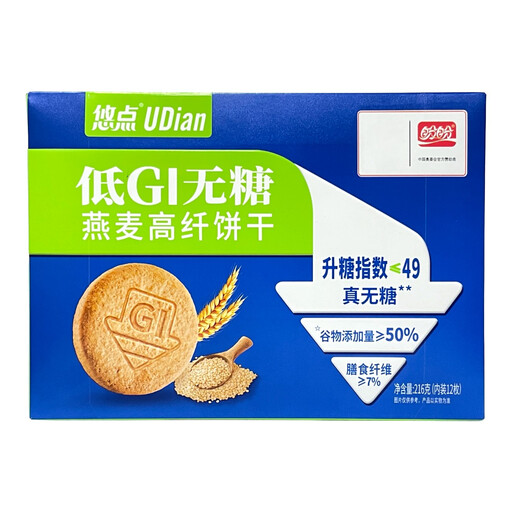 Image unavailable
Panpan oat biscuits 216 g
A biscuit to consider if you don’t need the classic spritz shape.
The product name uses ‘sugar-free’, but the stated sugar content doesn’t appear to match. Check the nutritional information on the current packaging before relying on that claim when choosing.
Also check the current ingredients and allergen information if wheat, soya, oats, egg or sweeteners are relevant to you.
View on Joybuy
Frequently asked questions
Does ‘less sugar’ mean the same as ‘no added sugars’?
No, these are different claims, so compare the nutritional values of the exact product. PLUS states that Elvee Chocolade spritsen has a 30% less sugar claim and contains 28 g of sugars per 100 g. According to Verkade, San Francisco Zero is a biscuit with no added sugars and contains 1.7 g of sugars per 100 g.
How do I compare a spritz biscuit with a regular biscuit?
First compare ‘of which sugars’ per 100 g, then check the serving size you plan to eat. Read the product description too: a butter spritz and a regular biscuit aren’t the same type of biscuit, even if you’re considering both for your snack stash.
Is a biscuit with no added sugars automatically suitable for a vegan or lactose-free diet?
No, the sugar claim doesn’t tell you that. Verkade lists milk in San Francisco Zero; Albert Heijn describes AH Digestive 0% suiker as vegan and lactose-free, but also lists wheat and possible traces of other cereals containing gluten. Check the packaging of the product you’re buying.
What should I look out for if a biscuit contains polyols?
Check which sweeteners have been used and follow the warnings on the packaging. Albert Heijn states that AH Digestive 0% suiker contains 14 g of polyols per 100 g and warns that excessive consumption may have a laxative effect.


