
Hoteliers looking to offer less sugar
Looking for a biscuit with a lower stated sugar content than the standard spritz biscuits reviewed, and happy to consider a different type of biscuit.


If you want to offer guests a familiar spritz biscuit with their coffee, choose a classic biscuit rather than a lower-sugar option: Verkade lists 24.2 g of sugars per 100 g for NoboSprits Original, while Albert Heijn lists 28 g per 100 g for AH Spritsen. If a lower sugar content is your priority, you could choose a different type of biscuit. Jumbo lists 0.4 g of sugars per 100 g for Céréal Speculoos with Almond, but this isn’t a spritz biscuit. For the in-room tray, also check the serving size, ingredients, allergens and sweeteners on the current packaging.
Looking for a biscuit with a lower stated sugar content than the standard spritz biscuits reviewed, and happy to consider a different type of biscuit.
Want to offer a familiar spritz biscuit with coffee, without presenting it as a low-sugar option.
Want to be able to check up-to-date ingredient and allergen information for each biscuit served when guests ask.
First decide whether the biscuit needs to be a spritz or whether a lower sugar content is the main priority. Then compare labels on the same basis and check how much you’ll actually serve in each room.
Suitable when: guests expect a familiar spritz biscuit with their coffee.
Trade-off: the standard spritz biscuits reviewed don’t have a low stated sugar content.
Suitable when: sugar content matters more than serving a spritz.
Trade-off: the taste, ingredients and sweeteners may differ from those in a spritz biscuit.
| What to consider | What to check when buying | Who is this important to? |
|---|---|---|
| Less sugar | Compare ‘of which sugars’ per 100 g on the current label and work out the amount in each serving. | I want to offer a biscuit that demonstrably contains less sugar, even if it isn’t a spritz. A lower sugar content is the top priority for around 44% of hotel buyers. |
| Classic spritz | Check the type of biscuit, the sugar content per 100 g and the serving weight. | If guests expect a spritz, I want to put that familiar biscuit out with the coffee without calling it low-sugar; the classic type of biscuit matters most to around 33% of hotel buyers. |
| Product information | Check the ingredients, allergens and sweeteners on the packaging for each product, and keep this information accessible. | If a guest asks about an ingredient, I want to be able to check exactly what’s in the biscuit being served. For around 23% of hotel buyers, keeping this information to hand takes priority. |
Jumbo describes the Céréal version, which contains 0.4 g of sugars per 100 g, as a speculoos biscuit with almond. A lower sugar content doesn’t make it a spritz.
State the actual type of biscuit on the product card and present it separately from a classic spritz.
A comparison per 100 g doesn’t show how much biscuit you’re serving in the room.
Check the weight of each serving before assessing the amount of sugar in each biscuit.
If a guest has a question, you need information that matches the biscuit currently in their room.
Check new deliveries against the packaging, and keep up-to-date ingredient and allergen information for each product you serve.
NoboSprits Original is a useful reference if you specifically want to offer a classic spritz biscuit with coffee.
AH Spritsen offers a classic spritz for comparison; the retailer also has a separate category for biscuits aimed at people who are watching their sugar intake.
The Speculoos version with almond pieces is a different type of biscuit for anyone prioritising the stated sugar content.
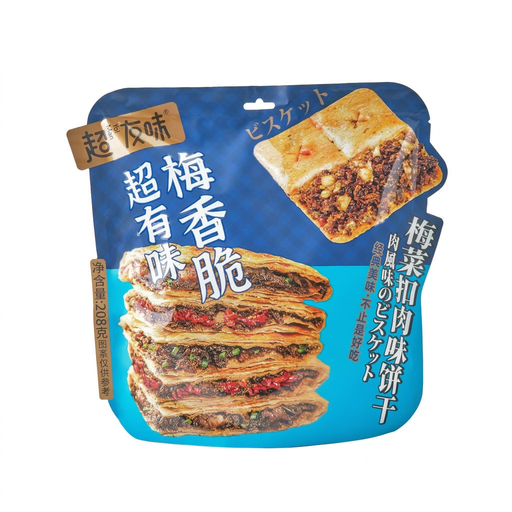
This plum and vegetable-flavoured biscuit is an alternative to a spritz, not a like-for-like replacement in terms of taste. Check the label to see whether its sugar content, serving size and ingredients suit your in-room tray.
 No image available
An alternative for anyone considering serving a different type of biscuit from spritz on the in-room tray, and who thinks this flavour would go well with coffee.
208 g pack. Before offering this biscuit as a lower-sugar option, check the sugar content per 100 g, the amount in each serving and the allergen information on the current packaging.
The standard spritz biscuits reviewed aren’t a compelling choice if a lower sugar content is your main priority. Verkade lists 24.2 g of sugars per 100 g for NoboSprits Original, while Albert Heijn lists 28 g per 100 g for AH Spritsen. Compare any alternative on the same basis.
Yes, if you mainly want to reduce the sugar content and are happy to serve a different type of biscuit. Jumbo lists 0.4 g of sugars per 100 g for Céréal Speculoos with Almond; make sure guests don’t think it’s a spritz.
The serving size determines how much biscuit you actually offer with a cup of coffee. Check the serving weight on the current packaging before calculating or comparing the nutritional values per biscuit.
Keep the information for the product you’re actually serving accessible to staff who answer guests’ questions. Koninklijke Horeca Nederland stresses that hospitality businesses must inform guests about the presence of allergens when asked. Keep the packaging or an up-to-date product card for each biscuit for this purpose.
Check the sweeteners and serving size as well as the sugar content. Jumbo lists 29 g of polyols per 100 g for Céréal Speculoos with Almond. Take the current ingredient and nutritional information into account when choosing biscuits for the in-room tray.