Who is this choice relevant to?

Anyone with coeliac disease looking for a biscuit

For a late-morning snack, the gluten-free label matters more than how closely a biscuit resembles a spritz. Even with a familiar product, it’s important to check the current packaging and avoid cross-contamination when serving it.

Anyone who misses the crunch of spritz biscuits

A gluten-free oat biscuit or digestive can make for a crunchy snack, but it won’t have the same shape or ingredients as a spritz. So compare the type of biscuit, not just whether it’s labelled gluten-free.

Anyone who wants to take a biscuit with them

If you’re taking a snack to work or eating on the go, the pack size and stated number of portions are useful points to compare. Also check the allergens in the product you choose.

What should you look for when choosing?

If you have coeliac disease, start by looking for a clear gluten-free label. Then consider your texture preferences, the portion size you want and any other allergens when choosing a late-morning biscuit.

What to consider What to check when buying Who it matters to
Gluten and cross-contamination Look for the gluten-free label on the current packaging and read any warnings about cereals containing gluten. If you’re sharing food, keep the biscuit separate from ordinary biscuits. If I have coeliac disease, I don’t want to assume a biscuit is suitable based on the ingredients list alone. For around 33% of consumers, checking for gluten comes first.
A crunchy biscuit break Check whether it’s an oat biscuit, digestive or another type of biscuit; don’t expect a different type to be identical to a spritz. If you’re mainly looking for the dry, crunchy bite of a spritz, you’ll want to know what type of biscuit is in the pack. Around 27% of consumers give this biscuit experience top priority.
A convenient portion Check the pack size and the stated number of portions, especially if you’re taking it to work or eating on the go. For my snack break, I want to be able to take an amount that suits the occasion. For around 20% of consumers, portion size matters most.
Other allergens As well as the gluten-free label, read the allergen information for the exact product, for example for oats, milk, soya or nuts. If I need to avoid an ingredient as well as gluten, that must be reflected on the label too. For around 20% of consumers, this additional requirement is their main concern when buying.

Common mistakes

  • Confusing wheat-free or oat-based with gluten-free

    Those terms aren’t the same as a gluten-free label. Under Commission Implementing Regulation (EU) No 828/2014, the term ‘gluten-free’ may only be used if the food contains no more than 20 mg/kg of gluten when sold to the final consumer.

    If you have coeliac disease, choose based on the gluten-free label on the current packaging, not just the type of cereal mentioned in the product name.

  • Overlooking other allergens

    A gluten-free biscuit may still contain oats, milk, soya or nuts, for example. This varies by product and variant.

    Read the allergen information on the biscuit you’re actually buying, even if you already know the brand.

  • Assuming gluten-free means nutritious

    The gluten-free label tells you about gluten, not the amount of sugar, fat or fibre. Oat biscuits and digestives can also differ in portion size.

    Compare the nutritional information per 100 g and per portion if those figures matter to your choice.

  • Putting an unwrapped biscuit next to ordinary biscuits

    The Dutch Coeliac Society warns that crumbs, hands and shared kitchen utensils can cause cross-contamination with gluten.

    Keep the gluten-free biscuit wrapped until snack time, and use clean hands and utensils.

Brands and product ranges to consider

Verkade

Verkade describes its Oaties as crunchy, gluten-free oat biscuits. The milk chocolate variant is a different type of biscuit from a spritz.

  • An option to consider if you’re looking for a crunchy oat biscuit.
  • The milk chocolate variant contains milk and soya and may contain nuts; check the packaging of the variant you choose.

AH Glutenvrij

Albert Heijn’s own-brand range includes a variety of gluten-free biscuits. Its hazelnut oat biscuits are a handy option to compare for a snack break.

  • Albert Heijn describes this hazelnut variant as being made in a completely gluten-free environment.
  • This variant contains oats and hazelnuts; check the current label when you buy it.

Jumbo Lekker Vrij

Jumbo’s range includes gluten-free digestives and other types of biscuits. The milk chocolate digestive is a biscuit-style alternative, not a spritz.

  • The packaging for the digestives reviewed states that there are ten portions.
  • The milk chocolate variant contains milk, oats and soya and may contain nuts.

PLUS

PLUS’s biscuit range includes gluten-free chocolate chip cookies and double cookies.

  • Other types of biscuit to consider if oat biscuits or digestives aren’t your preference.
  • Check the gluten-free label and allergens for the specific product you choose.

ALDI

ALDI lists gluten-free coconut macaroons, coconut biscuits and rice biscuits as alternatives to oat biscuits.

  • A different kind of biscuit to consider if you’re not specifically looking for an oat biscuit.
  • Coconut and rice biscuits aren’t spritz biscuits; check the label of the specific product.

Lidl / Sondey

Lidl stocks Sondey biscuits and snacks. The name Sondey alone doesn’t tell you whether an individual biscuit is suitable for someone with coeliac disease.

  • The range includes different types of biscuits to consider individually.
  • Only choose a specific product if its current packaging clearly states that it’s gluten-free.

Gluten-free oat biscuits at Joybuy

This milk chocolate oat biscuit may suit you if you’re looking for a crunchy alternative to spritz for a late-morning snack. It isn’t a spritz; the gluten-free label and any other allergens remain important when making your final choice.
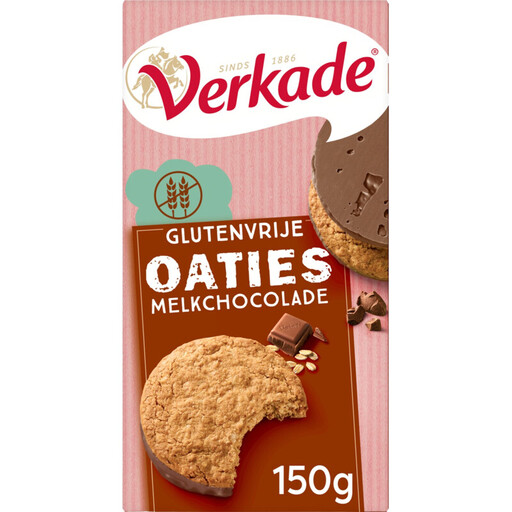
Verkade Gluten-Free Oaties Milk Chocolate 150 g

Verkade Gluten-Free Oaties Milk Chocolate 150 g

For anyone looking for a crunchy oat biscuit instead of a spritz. This milk chocolate variant is described as gluten-free and contains oats; the pack contains 150 g.

The variant also contains milk and soya and may contain nuts. When buying, check the current packaging for ingredients, allergens and any cross-contamination warnings.

View at Joybuy

Frequently asked questions

Can I eat a standard spritz biscuit if I have coeliac disease?

Don’t assume that a standard spritz biscuit is suitable if you have coeliac disease. Choose a biscuit clearly labelled as gluten-free and check the current label before eating it.

What does the gluten-free label on a biscuit mean?

Under Commission Implementing Regulation (EU) No 828/2014, the label may only be used in the Netherlands if the food contains no more than 20 mg/kg of gluten when sold to the final consumer. Also check the current packaging for ingredients and other allergens.

Is every oat biscuit suitable for someone with coeliac disease?

No. The word ‘oat’ alone doesn’t confirm that a biscuit is gluten-free. Look for the gluten-free label on the packaging. Oats in a product presented as gluten-free must be produced, prepared or processed in a way that avoids contamination with wheat, rye or barley.

How should I serve a gluten-free biscuit alongside ordinary biscuits?

Keep the gluten-free biscuit separate and, ideally, leave it wrapped until it’s time to eat. The Dutch Coeliac Society highlights the risk of cross-contamination from crumbs, hands and shared kitchen utensils, so use clean hands and utensils.
