
Families who bake regularly
If you use sprinkles for several baking sessions or as a topping for bread, it’s important to choose a pack you’ll actually finish.


If you often bake with children, choose a pack you’ll also use for future baking sessions. For cupcakes or biscuits, the size of the sprinkles or the mix you want may be what makes the difference. Before children eat any, always check the ingredients and allergens on the pack you’ve bought.
If you use sprinkles for several baking sessions or as a topping for bread, it’s important to choose a pack you’ll actually finish.
For cupcakes, biscuits and desserts, the look of the finished bake may be the priority. A mix or larger sprinkles might suit your plans better than standard sprinkles.
If ingredients, sugars or allergens affect your choice, check the nutritional information and warnings on the exact pack the children will be eating.
First, work out how much you’ll need for your bake and any future occasions. Then choose the finish you want and check the pack for nutritional information and allergens.
| What to consider | What to check when buying | Who it matters to |
|---|---|---|
| Quantity | Compare the net weight with how much you’ll use for your planned baking sessions. | If I bake regularly or also use sprinkles on bread, I don’t want to be left with a large amount. Around 33% of consumers prioritise using up the pack. |
| Decoration | See whether standard sprinkles, a mix or XXL sprinkles will suit your bake. | When decorating cupcakes, I want the children to be able to see the topping clearly. For around 27% of consumers, the look of the finished bake is the first thing they consider. |
| Sugars | Check the sugars per 100 g and take the amount you use into account. | When I divide sprinkles between several bakes, I want to know how much will go on each one. Around 20% of consumers prioritise this nutritional consideration. |
| Allergens | Check the ingredients and allergen warnings on the current pack. | If a child has an allergy, I need to be able to check whether this particular pack is suitable first. Around 20% of consumers put this check first. |
Ingredients vary by product. For example, the product page for De Ruijter dark chocolate sprinkles lists milk and soya; this doesn’t tell you anything about another variety.
Before buying and using a product, read the label on the pack you’ll be serving, including any warnings about cross-contamination.
Extra-large sprinkles or a mix can work well for eye-catching decorations, while a larger pack of standard sprinkles may be more practical if you bake for several occasions.
Decide whether the sprinkles are mainly for decoration or whether you’ll be using a larger amount. Then choose the type and pack size.
A product name doesn’t tell you how many sprinkles will end up on one bake. Voedingscentrum highlights sugars as something to consider with chocolate sprinkles.
Compare the current nutritional information and check how much you use per portion, even for a variety with ‘less sugar’ in its name.
Own-brand range including milk, dark and duo sprinkles in 600 g packs.
A brand with several types of chocolate sprinkles, including varieties described as toppings for bakes.
ALDI’s own-brand range includes 600 g packs of dark sprinkles and an XXL variety.
Own-brand range including dark sprinkles and a product with ‘dark, less sugar’ in its name.
A brand offering dark chocolate sprinkles in a 400 g pack, among other products.
This selection includes sprinkles and decorative chocolate pieces for finishing bakes with children. Check whether the type of topping and quantity of each product suit your recipe.
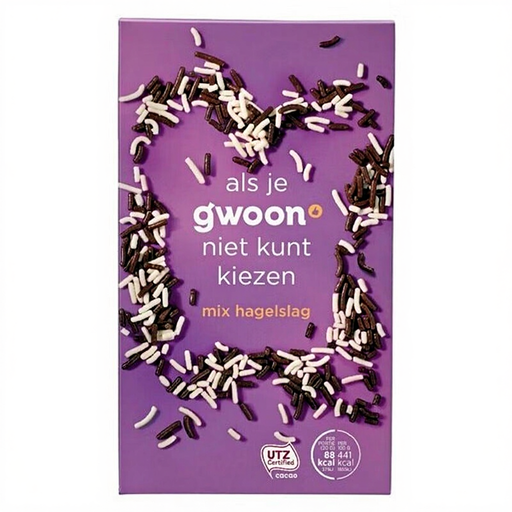 No image available
For anyone looking for an eye-catching decoration and sprinkles to use for future baking sessions too. Consider whether you’ll use a 600 g pack, and check the current label if you’re managing an allergy.
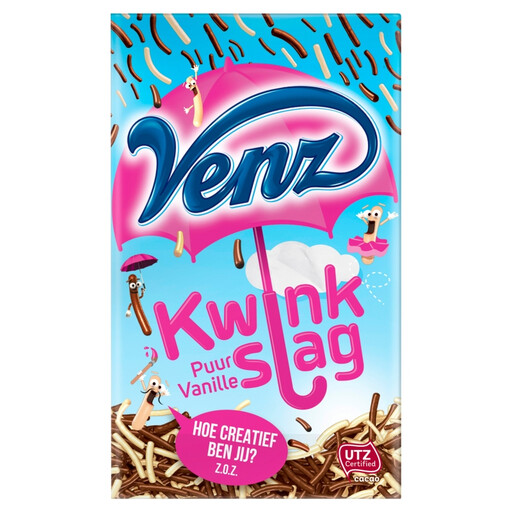 No image available
For bakes where you’d like to use a combination of chocolate and vanilla flavours. The pack contains 400 g; if allergens are a concern, check the ingredients on the pack you buy.
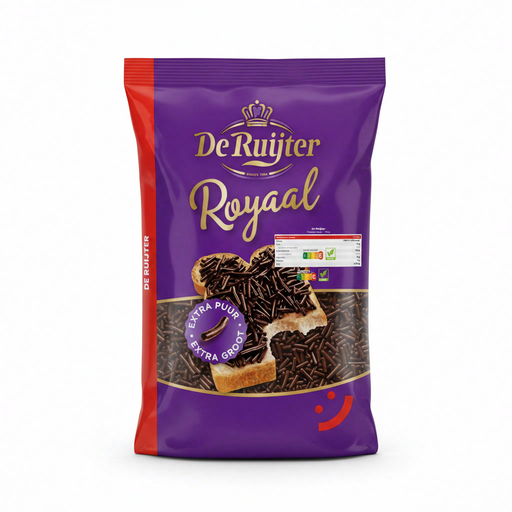 No image available
An option if you’re looking for chocolate pieces to finish your bakes rather than standard sprinkles. The pack contains 390 g; if you’re managing an allergy, read the label for this variety.
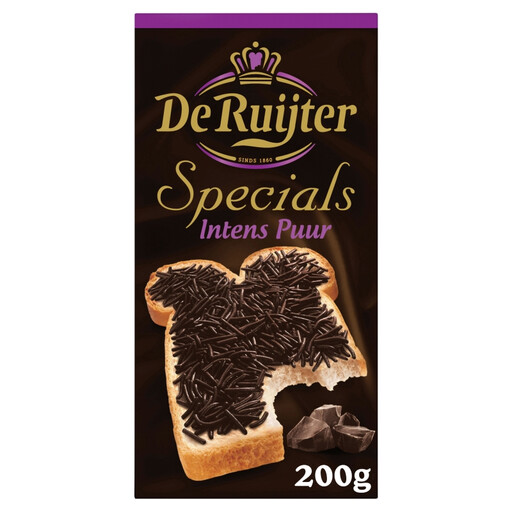 No image available
For anyone looking for dark chocolate sprinkles as a topping and considering a 200 g pack. ‘Dark’ on its own doesn’t tell you how much sugar is in a portion; check the current nutritional information for that.
 No image available
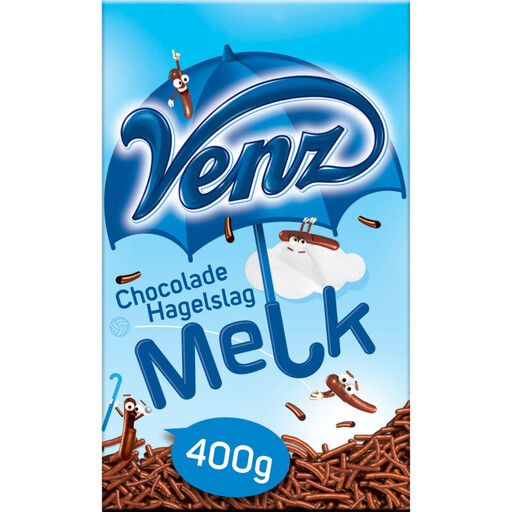
For anyone looking to top cupcakes with milk chocolate sprinkles and wanting a 400 g pack. Before children eat any, check the nutritional information and allergens on the pack you’ve bought.
A larger pack makes most sense if you’ll use the sprinkles for several baking sessions or as a topping for bread too. For example, Jumbo has 600 g own-brand varieties; as well as the weight, consider whether the flavour and size of the sprinkles suit your recipes.
Yes. If a child has a relevant allergy, check the allergens on the specific pack. The product page for De Ruijter dark chocolate sprinkles lists milk and soya, but ingredients can vary between products, so always read the current label.
Check how many sprinkles you actually use per portion and read the nutritional information for your product. Voedingscentrum gives 9.1 g of sugars for 15 g of dark chocolate sprinkles; this example doesn’t automatically apply to another variety or portion size.
Follow the storage and best-before information on the pack. On its product page, De Ruijter recommends keeping sprinkles in a cool, dry place away from sunlight and heat, and closing the pack after use.
If you’re managing an allergy, use the current label on the pack you’ve bought as your guide. Albert Heijn points out that product information can change, while Lidl refers customers to the packaging of its food products for ingredients and allergens.