
Vandaag of morgen in huis

Kwaliteit gegarandeerd

Welkomstaanbiedingen ontgrendelen: GRATIS bezorging | Tot 80% korting | Gratis 30 dagen JoyPlus-proefperiode
Download de app
A good springform pan is an essential tool in any kitchen. Whether you're making a classic apple pie, a creamy cheesecake, or a savoury quiche, the right round baking pan can be the difference between success and a frustrating cleanup job. But when buying a springform pan, there are a few common pitfalls that many home bakers fall into. Marketing promises of "perfect" non-stick coatings and "leak-proof" seals don't always hold up in practice.
As a Joybuy Product Recommendation Officer, I'm here to help you cut through the noise. We'll focus on the specifications that truly matter, so you can choose a pan that will last for years. Let's tackle the three most common problems.
24 cm springform pan, while most of your favourite recipes call for a 26 cm springform pan. The result is an overflowing pan or a cake that doesn't achieve the right height and doneness.Before you buy a springform pan, it's wise to look beyond the packaging.
Focus on three concrete features to avoid a bad purchase. These determine the ease of use and lifespan of your cake pan.
The essence of a springform pan is its removable ring. Most models use a clasp mechanism. A sturdy, well-designed clasp seals the ring tightly around the base, minimising the risk of leaks. An alternative is a loose-bottom cake pan, where you push the cake up from below. This type, often called a round baking tin, is popular for tarts and quiches with a firm crust and can sometimes perform even better with thicker batters. For a delicate cheesecake pan, a traditional, well-sealing springform pan is often a more reliable choice.
Most springform pans are made of steel. This material distributes heat evenly, which is essential for an evenly baked cake. However, the quality lies in the non-stick coating. A cheap, single layer will damage quickly. Look for pans with a thicker, multi-layer coating (often PTFE-based). Also, pay attention to the care instructions: many manufacturers recommend hand washing to maximise the coating's lifespan, even if a product is labelled as "dishwasher-safe."
The diameter of the round baking pan is crucial. Most recipes for 8 to 10 people are based on a pan with a diameter of 24 or 26 cm.
Check your favourite recipes before making a choice. For most home bakers, having a reliable 24 cm pan is a solid starting point.
Below is a selection of springform pans, matched to specific user profiles. We base these choices on their objective specifications and how they address the pitfalls mentioned earlier.
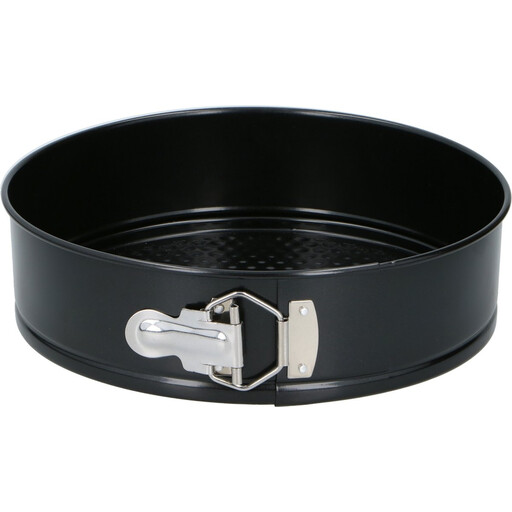
Why This Fits Their Persona: This is the ideal starting size for anyone who bakes regularly. The 24 cm diameter is compatible with a huge number of recipes found online and in cookbooks, from apple pie to no-bake cheesecake.
The classic clasp mechanism is designed to seal the ring tightly around the base. When used correctly, this reduces the risk of leaks—a common problem with cheaper, poorly finished models.
A functional, no-nonsense design with a reliable seal. The metal construction ensures good heat conduction for an even bake.
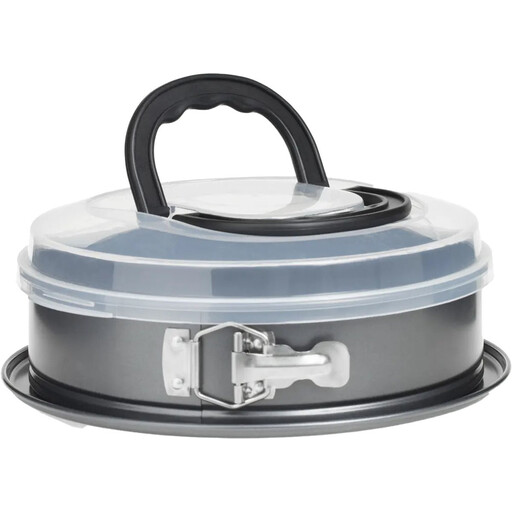
Why This Fits Their Persona: For those who love to bake cakes for birthdays, parties, or the office. The included lid makes transporting and storing the cake easy and secure, without the hassle of aluminium foil or separate containers.
The steel body ensures the pan won't warp easily. The non-stick coating helps with release, but the manufacturer advises hand washing. This is an honest indicator for extending the coating's life and avoiding the pitfall of a quickly deteriorating surface.
A 2-in-1 solution: a 26 cm springform pan with a convenient transport lid. This saves money and storage space, as a separate cake carrier is not needed.
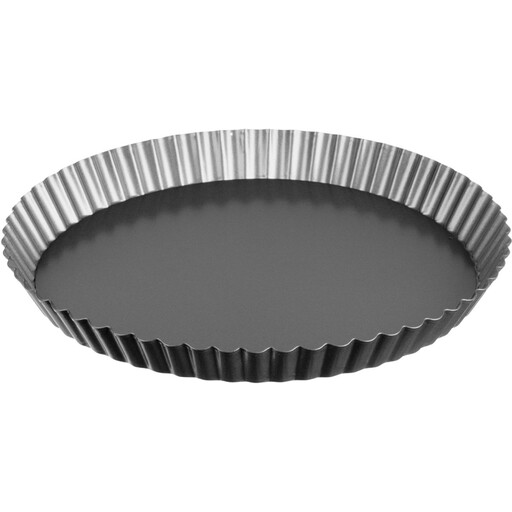
Why This Fits Their Persona: Ideal for those who bake for larger groups or enjoy making flat, wide bakes like quiches or tarts. The 28 cm diameter is perfect for recipes serving 10-12 people. Note that this is a `loose-bottom cake pan`, not a traditional springform pan.
According to the manufacturer, this pan has a double-layer non-stick coating, which can be more durable than a single coating. Furthermore, the pan is dishwasher-safe, which indicates a more robust finish, although hand washing is often better for long-term durability.
The loose bottom makes serving delicate bakes very easy. Additionally, it is one of the few models in this category explicitly described as dishwasher-safe, which simplifies cleanup.
A springform pan is just one type of bakeware. For storing ingredients or other types of baking pans, we have a wider assortment. Check out our selection that meets the practical demands of any kitchen.
Always ensure the ring is clamped correctly and tightly around the base. If you are using a very liquid batter (like for some cheesecakes), you can wrap the outside of the base and seam with a double layer of aluminium foil as an extra precaution before pouring in the batter.
This depends on the product. Some, like the GastroMax model, are labelled as dishwasher-safe. However, for most springform pans, the harsh detergents and high temperatures of a dishwasher can damage the non-stick coating over time. Hand washing with a soft sponge and mild dish soap is generally recommended to maximise its lifespan.
If a cake suddenly starts to stick, the non-stick coating may be worn or damaged from the use of metal utensils or abrasive sponges. To prevent this, it's always good practice to lightly grease the pan with butter or baking spray and possibly dust it with a thin layer of flour. This creates an extra barrier and ensures your bake releases effortlessly.
