
Livraison le jour même et le lendemain

Qualité garantie

Débloquez vos offres de bienvenue: Livraison GRATUITE | Jusqu'à -80 % | 30 jours d'essai gratuits à JoyPlus
Téléchargez l'application
Sprays for skin and body are handy for on the go, on holiday, during exercise or in the bathroom. However, a quick spray doesn’t automatically mean it’s the right purchase. The difference often lies in the SPF factor, ingredients, application and the way you use the product.
The most common mistakes come from three pitfalls:
A spray is therefore only practical if the formula suits your skin type and you use enough product.
A sun spray SPF 50 offers a higher UVB protection factor than a sun spray SPF 30, according to the product information. That doesn’t mean you need to apply it less often. Always check whether the label mentions both UVA and UVB protection.
The Vision SPF 30 Spray advises approximately 35 ml per adult per application, 15 to 20 minutes before sun exposure, according to the product instructions. Reapplication is recommended every two hours and after swimming, sweating or towel drying. Using too little product significantly reduces the stated protection.
Pay extra attention with children. Keep babies and young children out of direct sunlight and follow the age and usage instructions on the packaging. A children’s sun spray with SPF 50, such as the Vision SPF50 Colored Kids Spray, can help make missed spots visible thanks to its coloured formula. The colour is not a guarantee of full coverage.
For sun protection for sensitive skin, fragrance-free variants are often a logical first choice. Also check whether the formula contains alcohol, fragrances or known allergens. “Sensitive” is not a uniform medical category: stop if irritation occurs and seek advice from a healthcare professional if symptoms persist.
The NIVEA SUN Sensitive Immediate Protect Spray SPF 50+ is offered without fragrance according to the product description and contains, among other things, Bio Aloe Vera and jojoba oil. The brand description states the spray is water-resistant. Always check the current ingredients list on the packaging, as product information can change.
The same applies to a deodorant. The Deoleen Sensitive Spray 150 ml contains, according to the ingredients list, aluminium chlorohydrate, dimethicone and aloe vera extract. The spray should be applied to clean underarms from a distance of approximately 20 cm and allowed to dry completely. The Deoleen 0% Sensitive Deodorant Aerosol 150 ml has a different ingredients list. So don’t just compare the name “Sensitive”, but also the contents.
An aerosol works with propellants such as butane, propane or isobutane. Only use this type in a well-ventilated area, keep it away from fire and do not expose the can to temperatures above 50 °C. Do not spray on damaged or irritated skin and avoid contact with the eyes.
A pump bottle or mist can be more pleasant for the face and body, but is not always suitable for spraying directly onto the face. For example, the NIVEA SUN Babies & Kids Sensitive Sunscreen Spray states that you should first spray it into your hands and then apply it. A hydrating face mist, such as the SKIN1004 Hydrating Face Mist, is intended for use from approximately 20 to 30 cm away from the face.
Terms like “waterproof”, “48-hour hydration” or “instant protection” depend on the usage instructions and conditions. According to NIVEA’s own research, a hydration effect of up to 48 hours is reported for some moisturising products; that is no reason to reapply sun protection less often. Check the small print, the test basis and the actual purpose of the product.
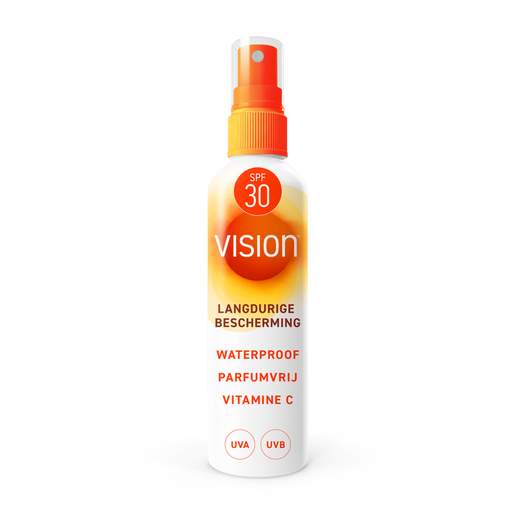
Why this suits the profile: A straightforward choice for daily use when SPF 30 matches your skin type and planned outdoor activity.
The SPF factor and usage amount are clearly stated in the product instructions, so you don’t rely solely on the spray format.
180 ml content, UVA/UVB protection according to the product description and advice for regular reapplication.
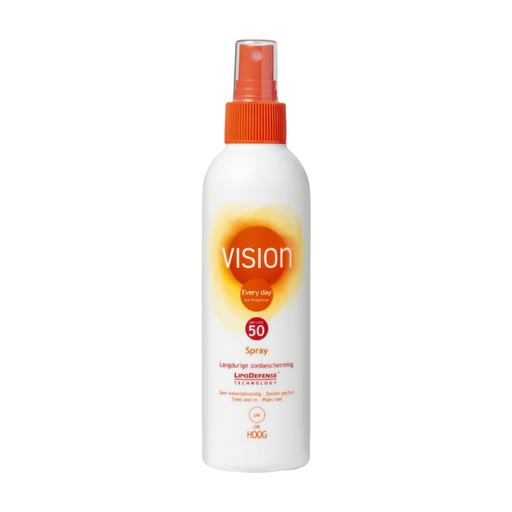
Why this suits the profile: Suitable for adults and children looking for a higher SPF and a fragrance-free formula for sunny days.
The product information mentions SPF 50, fragrance-free composition and high water resistance; reapplication remains necessary.
SPF 50, 180 ml and, according to the product description, suitable for face and body.
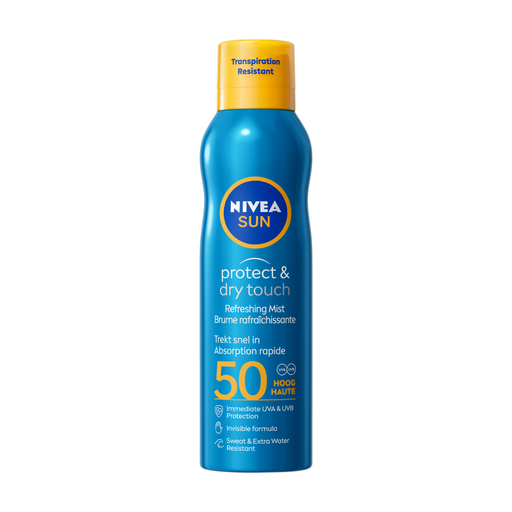
Why this suits the profile: Handy for active outdoor enthusiasts who want a transparent mist to use during sport or on the go.
The product description mentions a transparent, water- and sweat-resistant formula. This reduces visible haze, but does not replace repeated application.
SPF 50, 200 ml and a spray texture that, according to the product information, absorbs quickly and leaves no white marks.
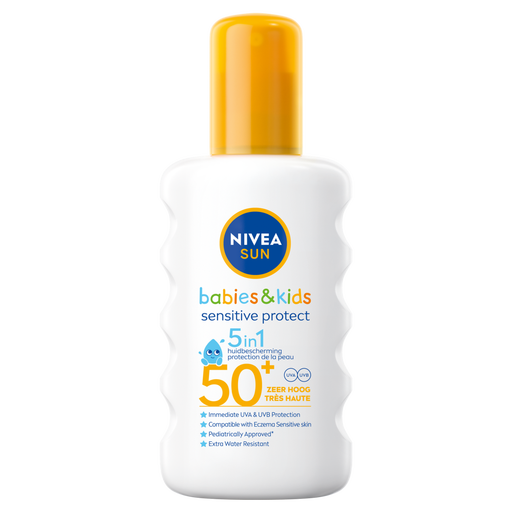
Why this suits the profile: Aimed at families looking for a fragrance-free SPF 50+ for children from 6 months old, who follow the usage instructions carefully.
The product information states age, SPF 50+, fragrance-free use and extra water resistance. Spray into your hands first for the face, as per the instructions.
200 ml, SPF 50+ and a fragrance-free formula according to the product description.
We’ve put together a full, up-to-date list of products that fully meet these strict selection criteria and comply with current European safety regulations.
Check the expiry date and the symbol for the period after opening on the packaging. Store the spray in a cool place out of direct sunlight. An aerosol must not become hotter than the temperature stated on the label; for the deodorants mentioned, that is a maximum of 50 °C.
No. “Water-resistant” does not mean that the protection is fully maintained after swimming, sweating or towel drying. Reapply the product according to the instructions, even if the spray is transparent or absorbs quickly.
Only if the product information allows it. Preferably spray a children’s sun protection or aerosol into your hands first when stated on the label. A face mist is developed for the face, but even then avoid the eyes and mucous membranes.
