
Owner of a fabric headboard that can be wet-cleaned
Wants to treat a localised stain without cleaning the entire headboard. First, check the care instructions and test an approved method on an inconspicuous area, as recommended by Kave Home.


First, check the care instructions for your headboard: a water-based spot cleaner is only an option if the fabric can be wet-cleaned. For a localised stain and limited cupboard space, important factors include the appliance’s dimensions, storage for the hose and nozzles, and how easily you can reach the area you want to treat. Test any approved method on an inconspicuous area first.
Wants to treat a localised stain without cleaning the entire headboard. First, check the care instructions and test an approved method on an inconspicuous area, as recommended by Kave Home.
Wants to be able to put the appliance away after occasional use. Compare the dimensions of the specific model and allow room for the hose and accessories too; a description such as ‘compact’ doesn’t tell you by itself whether it will fit in your cupboard.
It’s worth checking which upholstery or crevice nozzle is included, as well as the reach of the hose and appliance. Rowenta and Kärcher list different nozzles for the models described.
The fabric’s care instructions will first determine whether wet cleaning is even an option. Then compare the appliance’s storage requirements, reach and maintenance.
| What to consider | What should you check? | Who is this important for? |
|---|---|---|
| Fabric suitability | Check the care instructions for the specific headboard and the appliance’s usage instructions. Test any approved method on an inconspicuous area first. | If I don’t know whether my headboard can be wet-cleaned, I’ll check before choosing an appliance. Around 40% of consumers prioritise fabric suitability when making this choice. |
| Storage space | Compare the dimensions of the exact model with your cupboard or shelf, and allow room for the hose and accessories. | If my storage space is limited, I want to know how much room the whole appliance will take up after use. Around 30% of consumers put storage space first. |
| Reach and nozzle | Check which upholstery or crevice nozzle is included, and whether the hose and power cord can reach the area around the headboard. | If an edge or the space behind the bed is difficult to reach, I want to be able to use the appliance from a practical position. Around 20% of consumers give reach the highest priority. |
| Maintenance after use | Read the cleaning instructions and check which rinsing or self-cleaning features are included with the exact model. | For occasional use, I want to know how to clean the appliance afterwards and put it away again. Around 10% of consumers put maintenance first. |
An appliance marketed for upholstery doesn’t determine which cleaning method is suitable for the fabric of your headboard.
Always follow the furniture’s care instructions first. Test any approved method on an inconspicuous area.
The hose, tanks and nozzles will also need somewhere to go after use.
Measure your storage space and check the dimensions of the exact model. Also allow for accessories that can’t be stored on the appliance.
For a small, occasional stain, extra tank capacity may matter less than the space needed to store the appliance.
Compare the tank capacity and the model’s dimensions with your needs and storage space before factoring them into your decision.
The Clean It Compact IN3010 is worth considering if you want to tackle a localised stain and have limited storage space.
The SE 3 Compact Home N1 is worth comparing if reach around upholstered edges and post-use maintenance matter to you.
The SpotClean ProHeat has stated dimensions that you can compare with a narrow storage space.
The 3000 Series model described is specifically the refurbished XW3193/11R1 and can be included as an additional comparison for small storage spaces.
These are spray or spot cleaners for localised upholstery cleaning. Use them on a headboard only if the fabric’s care instructions say it can be wet-cleaned.
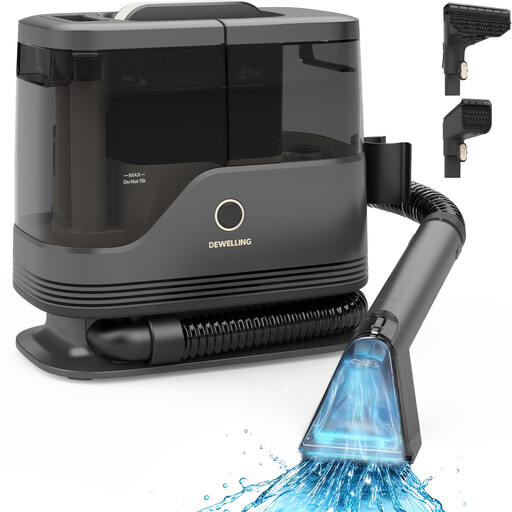 No image available
An option to consider for localised cleaning of upholstery that can be wet-cleaned.
The product name mentions a self-cleaning function on the handle and a power rating of 400 W.
The product name also lists 13 kPa; this figure alone doesn’t tell you whether the appliance is suitable for your headboard.
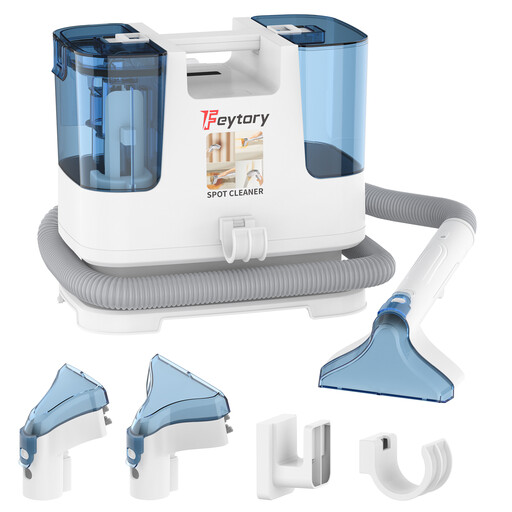 No image available
The product name lists sofas as one of its uses; check whether your headboard’s care instructions allow wet cleaning.
The product name lists 0,6 l and 1,5 l tanks and a handheld appliance.
The stated suitability for furniture doesn’t override the fabric’s care instructions.
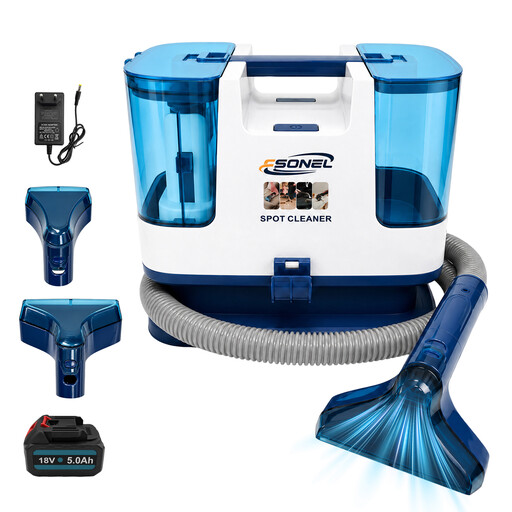 No image available
The product name describes a handheld appliance for wet fabrics, sofas and car seats, among other uses. Check the fabric care instructions before using it on a headboard.
This model is listed as ‘1 Battery’ in the product name and specifies 400 W and 17 kPa.
These details don’t confirm that the cleaning method is suitable for every fabric.
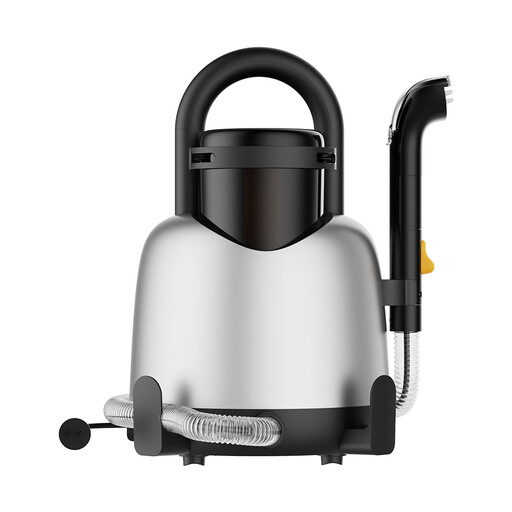 No image available
An option to compare for localised upholstery cleaning, provided the care instructions allow wet cleaning.
The product name lists 1700 W, 100 °C steam, a 60 ℃ rinse, 13 kPa and a 5-in-1 brush system.
Don’t take the listed heat functions as an indication that your headboard can be treated with them; follow the furniture’s instructions.
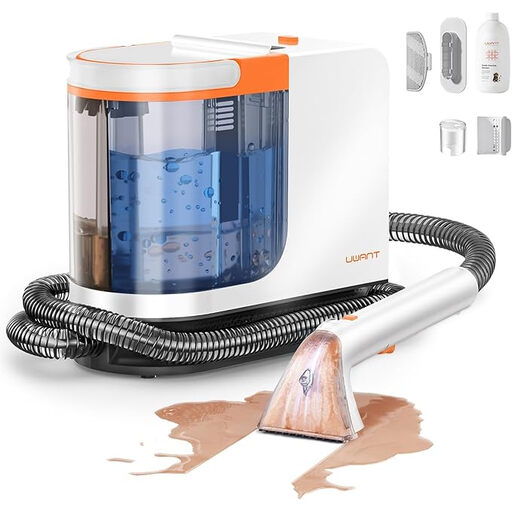 No image available
The product name describes a portable cleaner for sofas and localised stains, among other uses; first check whether the fabric can be wet-cleaned.
The product name lists 18 kPa, a self-cleaning function, and included tools and cleaning solution.
The listed features don’t make a cleaning method suitable if it isn’t right for the headboard.
No. First, follow the care instructions for the specific headboard. Kave Home explains that cleaning codes indicate different methods, including water-based cleaning and methods that don’t use water. Test any approved treatment on an inconspicuous area first.
According to Kave Home, blot excess moisture with a white cloth rather than rubbing. Test any approved treatment on an inconspicuous area first, then let the fabric air-dry away from direct heat. Also follow the appliance’s instructions.
Check which cleaning solution is suitable for both the appliance and the fabric, how much solution is included with the model, and which parts you might need later. Always follow the furniture’s care instructions for the headboard.
Report the problem to the seller. According to the Dutch government, statutory warranty gives you the right to a product that works properly, and there is no fixed statutory warranty period in the Netherlands; a manufacturer’s warranty is in addition to this. The appropriate solution in a particular case depends on factors including the fault and how the product has been used.