
Vandaag of morgen in huis

Kwaliteit gegarandeerd

Welkomstaanbiedingen ontgrendelen: GRATIS bezorging | Tot 80% korting | Gratis 30 dagen JoyPlus-proefperiode
Download de app
A sporty backpack needs to do more than look active. Whether you are heading to a training session, cycling trip or school day, what matters most is that the bag is comfortable to carry, offers enough space and can withstand regular use. Even so, many shoppers focus mainly on colour, brand and discounts. As a result, a bag may turn out to be too small, awkwardly arranged or less suitable for intense movement than expected.
The most common pitfalls:
Choose the capacity based on what you actually carry. If you only need your phone, keys and bank card, a waist bag or waist pack may be sufficient. A model of around 2 litres, such as the Eastpak Waist Bag, is described in the product information as suitable for small everyday essentials.
For sportswear, a towel and accessories, a gym bag or drawstring backpack is more practical. If you also carry books, a laptop or larger items, a multi-compartment backpack is a better choice. The PUMA Academy Backpack, for example, has two main compartments, several pockets and a capacity of approximately 24 litres.
Do not look at litres alone. Also check:
For school or commuting, adjustable shoulder straps and a padded back panel are useful. When running, cycling or walking, a stable fit is more important. A bag that shifts from side to side while you move can cause irritation and make it difficult to access your belongings quickly.
A running backpack or cycling backpack often has a chest or waist strap. Check whether these straps are adjustable and whether the size suits your build. The PELLIOT Trail Running Backpack lists separate size ranges for back length, waist strap and capacity: S/M for a back length of 38 to 46 cm and L/XL for 45 to 53 cm. Measure according to the product instructions before ordering.
For short runs, a running belt may be more convenient than a full backpack. The PELLIOT Waist Pack has an elasticated waistband, several zipped pockets and reflective strips. According to the product description, the size is based on your natural waist measurement.
A lightweight backpack feels comfortable for everyday use, but low weight should not come at the expense of organisation or carrying support. Look at the material and care instructions. Polyester, polyamide and mesh are commonly used in sports bags, but their properties vary from one model to another.
Pay attention to these points:
Claims about durability or recycled materials should come from the product information. For example, PUMA states for certain models that at least 70% or 90% of the material is recycled. This is a product specification provided by the brand; practical suitability also depends on size, use and care.
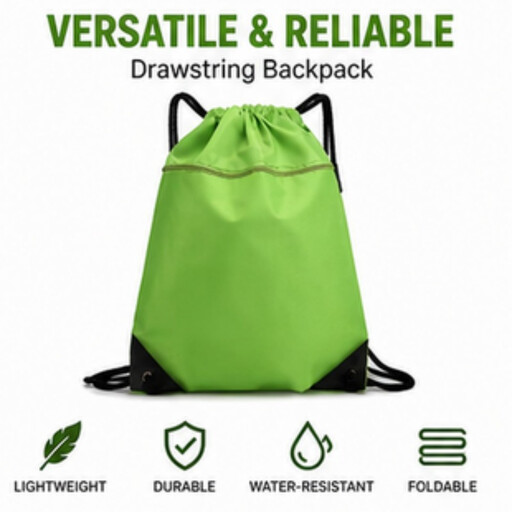
Why it suits this profile: This simple drawstring backpack is suitable for beginners who want to take clothing, a towel or swimming kit to the gym without carrying a heavy bag.
The bag has a zipped pocket for small items, so keys or cards do not get lost among your clothing. However, do not expect an extensive laptop layout.
Lightweight design, a simple main compartment and an extra zipped pocket for accessories.
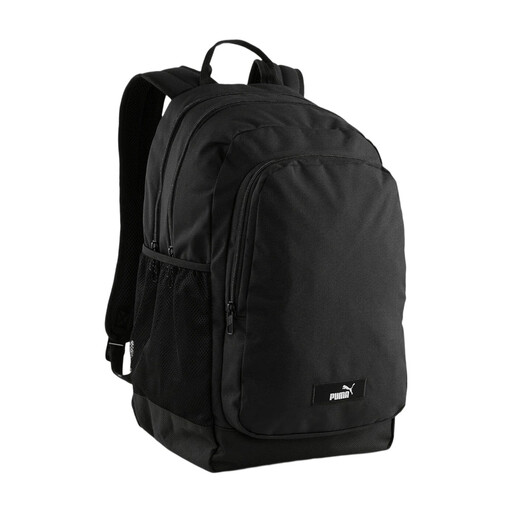
Why it suits this profile: For school pupils, students and adults who want to use one bag for school, work and sport, this model offers a spacious and well-organised layout.
The two main compartments and several pockets prevent everything from ending up in one large compartment. The dimensions are 45 x 30 x 18 cm.
Approximately 24 litres of capacity, padded shoulder straps, a padded back panel and two mesh side pockets.
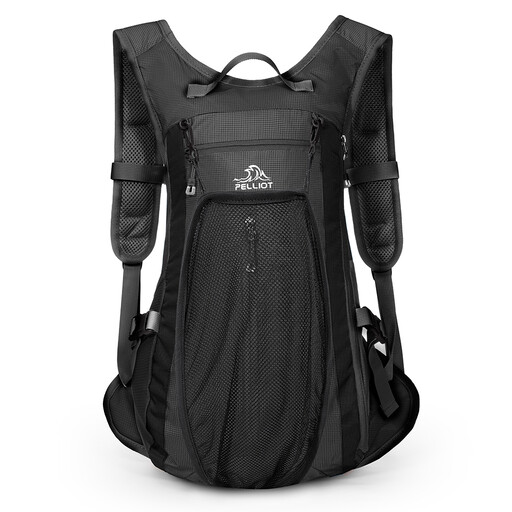
Why it suits this profile: This running and cycling backpack is designed for users who want to carry their belongings securely and separately during longer rides or trail runs.
The product description mentions an adjustable harness, several compartments and a front pocket for items including a water bottle, tools and snacks.
Capacity ranging from 10 to 20 litres, grid polyester and an adjustable harness with a pressure-distributing construction, according to the product information.
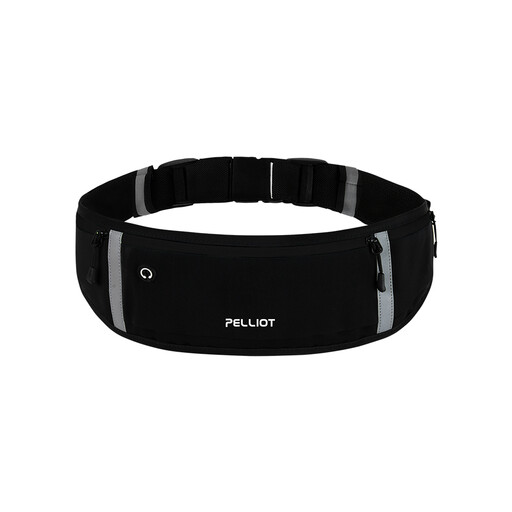
Why it suits this profile: For short runs, commutes or trips to the gym when you only need to carry a few personal belongings.
The elasticated waistband is available in S/M and L/XL. Three zipped pockets help keep your phone, keys, cards and energy gels separate.
Lightweight material, reflective strips and a waist range of 66 to 118 cm, depending on the size.
We have compiled a complete, up-to-date list of products that fully meet these strict selection criteria and the applicable European safety regulations.
For a phone, keys and bank card, 1 to 3 litres is often enough. Around 10 to 20 litres is useful for sportswear and a towel. For school, work and sport combined, 20 to 25 litres may be more practical. Always check the external dimensions, not just the stated capacity.
You can use one for light items and short distances, but the fit is usually less stable than that of a dedicated running backpack. A model with adjustable chest or waist straps is more suitable when you move faster or carry more belongings.
Follow the product’s care instructions. Many models must not be put in the washing machine or tumble dryer. Empty the bag after use, allow damp clothing to dry separately and clean the surface with a damp cloth if permitted. This helps prevent unnecessary wear and unpleasant odours.
