
Vandaag of morgen in huis

Kwaliteit gegarandeerd

Welkomstaanbiedingen ontgrendelen: GRATIS bezorging | Tot 80% korting | Gratis 30 dagen JoyPlus-proefperiode
Download de app
Buying the right sportswear and sports socks seems straightforward, until after a few sessions you find that your trousers chafe, your socks slip down or your ski trousers don’t allow enough freedom of movement. Marketing terms such as “breathable”, “quick-drying” and “supportive” only mean something when you know which fabric composition, fit and size to look for.
With this buying guide, you can compare functional clothing and accessories for running, fitness, football, basketball, walking and winter sports. The selection below is based on verifiable product information, such as fabric, size range, construction and stated use.
“Breathable sportswear” isn’t a fixed performance standard. A product may have ventilation panels yet still feel warm if the fabric allows little air through. So check whether the product description gives specific information about fabric, mesh panels, ventilation zips or moisture management.
It’s also important to be clear about moisture-wicking clothing. When a brand claims a technology, that’s the brand’s own claim. According to Nike’s product information, Dri-FIT is designed to move moisture away from the skin. Treat this as a product feature stated in the description, not a guarantee that every wearer will experience the same level of comfort.
Sports trousers that are too loose can shift around when you run. A fit that’s too tight, on the other hand, restricts your movement. Don’t just look at S, M or L: check the waist, hip and inside leg measurements too. A Nike training trouser with an athletic fit may fit differently from a regular pair of walking trousers.
For socks, check the European shoe size range. Socks that are too large can bunch up and cause friction; socks that are too small can feel tight around your toes and instep.
A sports sock multipack is handy if you train often, but the number of pairs doesn’t tell you whether they’re suitable for every sport. Cotton can be comfortable for everyday wear, while a running sock made from polyester, nylon and elastane may dry faster. Check the length too: ankle socks, mid-length socks and basketball socks each offer different levels of coverage.
For intense training, synthetic fibres such as polyester, nylon and elastane are often found in product fabric compositions. Polyester is widely used for lightweight, quick-drying fabrics. Elastane adds stretch, which is useful for running, fitness and football.
A cotton blend can feel comfortable for everyday wear and moderate activity. For more intense use, it’s worth looking for extra ventilation, a knitted construction or an explicitly stated quick-drying feature.
When choosing socks, look for:
For basketball, mid-length styles such as basketball socks can offer more coverage around the ankle. An ankle brace is a separate accessory with a different purpose from a sock. Check the size, adjustability and usage instructions. A brace is not a substitute for medical advice if you have pain or an injury.
For winter sports, ski trousers are more than just warm tracksuit bottoms. Look for a snow gaiter, an adjustable waist, ventilation zips and room for base layers. According to The North Face’s product information, the NF0A8DTJ features DryVent fabric, sealed seams and a water-repellent DWR finish. These are stated product features; the actual level of protection depends on factors including use, care and wear.
For walking in changeable weather, walking trousers that allow room to move may be more practical than a heavy winter sports style. Always check the care label and instructions. A water-repellent finish may need care or reproofing over time.
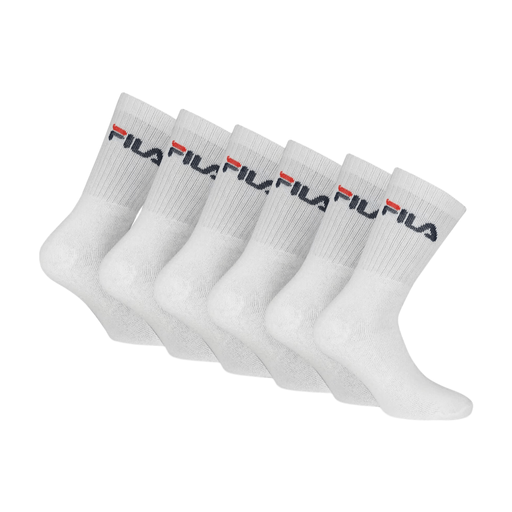
Why it suits this profile: A six-pack gives you several pairs for training, fitness and everyday active use. The unisex style is available in size 39-42.
The pack size is clearly stated, and the fabric composition includes cotton, polyester and elastane. Do check that size 39-42 is right for your shoes.
Six pairs, cushioned construction, described as breathable and machine washable at 40 °C.
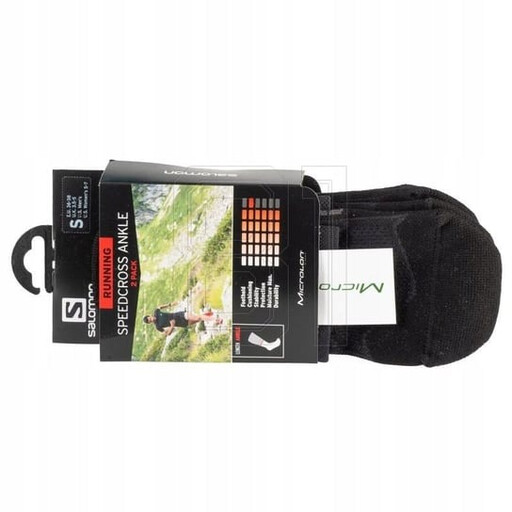
Why it suits this profile: This two-pack is designed for runners looking for a lightweight, ankle-height style with cushioning for regular runs.
The size (39-41), pack of two and ankle-height construction are clearly stated. This lets you check in advance whether the fit will work with your running shoes.
Polyester, nylon and elastane; described in the product information as moisture-managing and quick-drying, with a cushioned sole.
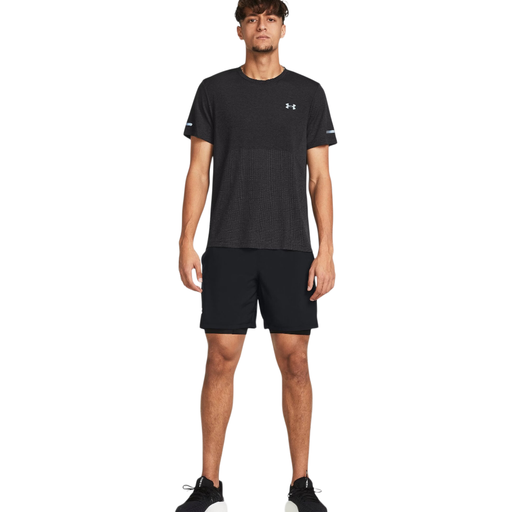
Why it suits this profile: The combination of outer shorts and built-in compression shorts is well suited to running and intense training, where you want both coverage and freedom of movement.
The product information mentions an internal drawcord, mesh panels and a phone pocket. Check your waist and hip measurements before ordering.
Outer layer made from 100% polyester, inner shorts made from 90% polyester and 10% elastane, plus reflective details according to the product description.
We’ve put together a complete, up-to-date list of products that meet these strict selection criteria and the applicable European safety regulations.
Replace your sports socks when the cuff no longer fits snugly, the fabric starts to thin or the cushioning noticeably wears down. How long they last depends on how often you wear them, the wash cycle and how they’re dried. Follow the care label and avoid washing at higher temperatures than recommended.
They can be suitable for short or easy runs, depending on your personal preference. For longer runs, many people prefer a synthetic blend with polyester, nylon or elastane, as these materials are often designed for moisture management and faster drying, according to the product description. Always check the specific fabric composition.
Measure your waist and hips, then compare these measurements with the size chart for the specific style. For fitted running shorts, such as the Under Armour 2-in-1 running shorts, your waist and hip measurements are particularly important. For ski trousers or walking trousers, you’ll also need to allow room for thermal underwear and other layers.
