
Vandaag of morgen in huis

Kwaliteit gegarandeerd

Welkomstaanbiedingen ontgrendelen: GRATIS bezorging | Tot 80% korting | Gratis 30 dagen JoyPlus-proefperiode
Download de app
Buying sportswear seems simple, until you have to choose between different fabrics, fits and brand claims. A training shirt may feel comfortable at the gym but be too warm when running. A waterproof jacket may keep the rain out but fail to ventilate sufficiently during a brisk walk.
As a Joybuy Product Recommendation Officer, I filter the most important product information down to practical details. That way, you can quickly see which women's and men's sportswear suits your activity, budget and everyday needs.
Words such as “breathable”, “performance” or “all-weather” do not mean much on their own. Instead, check the material composition, whether it has a mesh lining, taped seams or a stated hydrostatic head. Without a technical measurement, it is difficult to assess how a jacket will perform in prolonged rain.
Slim-fit jogging bottoms may be suitable as casual sportswear, but less comfortable if you want to wear a thermal layer underneath. With outdoor clothing, extra room is often more practical. So pay attention to size charts in centimetres rather than relying only on the letter S, M or L. Sizes vary by brand and model.
Running shoes and walking shoes are often described as versatile in product listings. However, the terrain, sole and fit can differ considerably. A lightweight mesh shoe may feel comfortable on tarmac, while a walk across mud and wet stones requires more grip. Also check your foot length in centimetres and the available width option.
For intense training, synthetic fabrics such as polyester are often practical because they can dry quickly. In sports hoodies and comfortable leisurewear, a cotton blend may feel softer, but cotton retains relatively large amounts of moisture.
Look out for these details:
According to the product description, the Nike Dri-FIT Park 20 Tee uses moisture management as a feature. This is a brand claim, so also assess the fabric, weight and fit. The product information states a regular fit and a polyester base, while the additional specifications also mention a cotton-polyester blend. Always check the current product page and care label.
For a waterproof jacket, taped seams, an adjustable hood, cuffs and a drawcord at the hem are all relevant details. A water-repellent coating is not the same as full waterproofing. According to the product description, the The North Face Quest Jacket has a DryVent construction, fully sealed seams and a DWR finish. These are product specifications from the listing, not a guarantee for every weather condition.
The PELLIOT hardshell is also described as water- and wind-resistant according to the product description. However, no specific hydrostatic head is stated. For long bike rides or mountain walks, this is something to check before buying.
Measure your chest, waist and foot length, then compare them with the chart on the product page. Also consider layers: a jacket worn over a training shirt needs less room than one worn over a thick sports hoodie.
Care affects how long your clothing lasts:
Most items are also covered by the minimum two-year statutory guarantee in the EU, where this information is stated on the product page. This does not cover normal wear and tear or damage caused by incorrect care.

Why it suits this profile: A lightweight training shirt for anyone starting out with fitness, football or everyday exercise and looking for one versatile garment.
The product page states the material, regular fit and care information, so you do not have to rely on the brand name alone.
100% polyester according to the product description, short sleeves and a classic crew neck.

Why it suits this profile: For walkers looking for an adjustable jacket for changeable Dutch weather.
The listing mentions sealed seams, a mesh lining and adjustable features rather than making only a general weather claim.
DryVent according to the product description, an adjustable hood and two zipped pockets.

Why it suits this profile: For runners and active walkers considering a lightweight shoe for roads and unpaved paths.
The size chart provides foot length and EU sizes; it also mentions standard and narrow fits.
An EVA midsole, mesh upper and rubber ROCKYTEC outsole according to the product description.
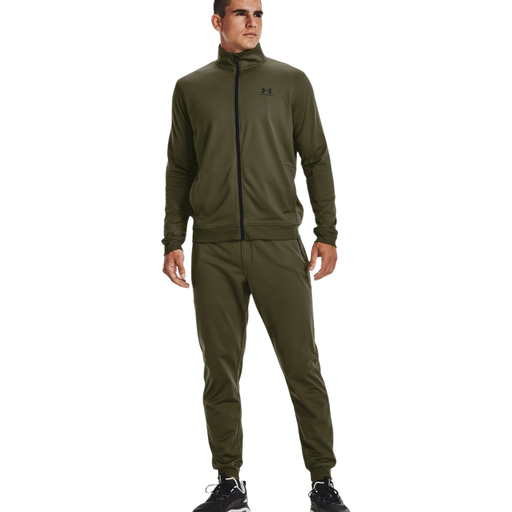
Why it suits this profile: For wearing at home, travelling, warming up and doing light training where freedom of movement matters more than maximum ventilation.
The stated waist measurement of 79–86 cm for size M helps you compare it with your own measurements; the trousers also have an adjustable drawcord.
100% polyester, tapered legs, ribbed cuffs and several pockets according to the product information.
We have put together a complete, up-to-date list of products that fully meet these strict selection criteria and the applicable European safety regulations.
Choose a lightweight training shirt made from a moisture-wicking fabric such as polyester, and pair it with sports socks that fit snugly. In cold or changeable weather, a sports hoodie and a thin water-repellent jacket are practical choices. For running shoes, pay particular attention to foot length, fit and sole profile.
Wash sportswear after intensive use according to the care label. Do not leave sweaty clothing scrunched up in a sports bag for long periods. A low temperature and mild detergent are often sufficient; avoid fabric softener when the label advises against it. Jackets with a coating may sometimes require special care to preserve their water-repellent performance as effectively as possible.
Sportswear is generally designed around features such as moisture management, freedom of movement, ventilation or grip. Casual sportswear, such as jogging bottoms, a fleece sweatshirt or trainers, tends to prioritise everyday comfort and appearance. Consider how you will use it: for training, fabric and fit are decisive, while for commuting, pockets, warmth and ease of care may also be important.
