
Vandaag of morgen in huis

Kwaliteit gegarandeerd

Welkomstaanbiedingen ontgrendelen: GRATIS bezorging | Tot 80% korting | Gratis 30 dagen JoyPlus-proefperiode
Download de app
In the Netherlands, sportswear often needs to do more than simply feel comfortable. A shirt may be worn for football, jogging bottoms around the house, and a jacket for cycling, walking or camping. Yet it is often only after buying that you discover whether the size is right, the fabric remains comfortable and the jacket is genuinely suitable for the weather.
The most common poor purchases result from three pitfalls:
First, look at the fibre composition and the design. Cotton generally feels soft and works well for casual clothing, while polyester is often chosen for lightweight sports shirts and swimwear. A blend can offer properties of both materials.
Examples from the range:
Pay attention to the fit, too. A regular fit usually offers more room for everyday movement. A slim fit follows the body more closely, but may be less suitable if you want to wear an extra layer underneath.
Three things are important when choosing a waterproof jacket:
The PELLIOT fleece-lined jacket states a water column of 35,900 mm H₂O and an MVTR rating of 16,000 g/m²/24 hours in the product information. These are verifiable product specifications. However, they do not automatically indicate how comfortable the jacket will be in every weather condition. The correct size, the layers worn underneath and proper fastening still make a difference.
With an ordinary rain jacket or walking clothing, it is sensible to check whether the jacket is designed for daily commuting, light walks or extended trekking. A poncho can be practical over a rucksack, but offers a different fit from a hardshell.
Protection is a separate consideration for cycling, motorcycling and intensive outdoor activities. A motorcycle protective vest with back, shoulder, elbow and chest protectors should not automatically be regarded as certified protective equipment. Before buying, check whether the product page mentions a CE marking and relevant standards, such as EN 1621.
According to the product description, the Motorcycle Protective Jacket contains removable PE, TPU and EVA elements. The seller advises wearing the vest snugly, checking the protectors before use and immediately stopping use of any damaged components. This is practical information, but it does not replace checking the official certification.
Care also determines how long clothing remains usable. Pay attention to the following:

Why it suits this profile: A versatile sports shirt for football, light training and casual wear. The short sleeves and regular fit make it easy to combine with other layers.
The product page lists the material, fit, colour and size. Compare these details with your own shirt before ordering.
Lightweight design, crew neck and polyester-cotton blend according to the product specifications.
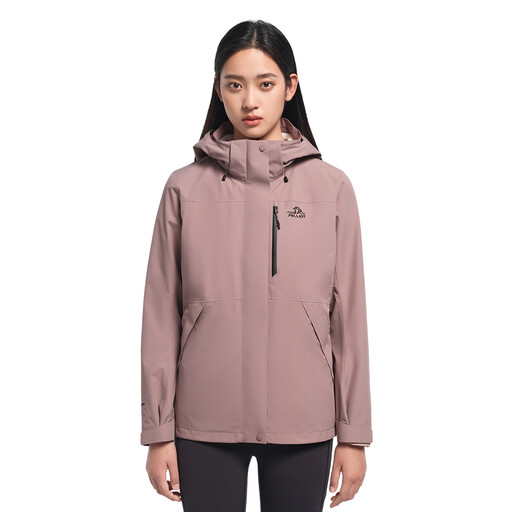
Why it suits this profile: For walkers, campers and commuters who want one jacket that can be adapted to changing conditions.
The jacket combines an outer layer with a removable lining. This allows you to adjust your layers to the temperature and activity.
Stated water column of 35,900 mm H₂O, MVTR of 16,000 g/m²/24 hours and sizes from S to XXXL.
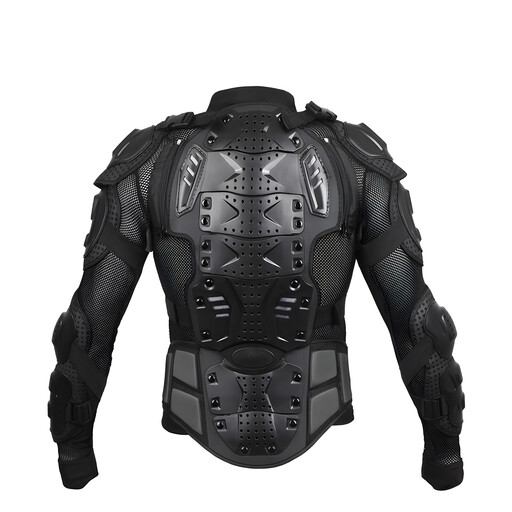
Why it suits this profile: Designed for motorcyclists and users involved in off-road or cycling sports who need adjustable protectors and a close-fitting design.
The vest has adjustable shoulder straps, a hook-and-loop fastening and removable protectors. Before buying, however, check the official standards and sizing.
Mesh material, chest, back, shoulder and elbow protection according to the product description; XXXL size and unisex design.
We have put together a complete, up-to-date list of products that fully meet these strict selection criteria and the applicable European safety regulations.
Choose walking clothing based on the temperature, rainfall and intensity of the activity. In changeable weather, wear several layers: a breathable base layer, a fleece sweatshirt as an insulating layer and a waterproof jacket as the outer layer. Also check the hood, cuffs, pockets and available sizes.
Measure your chest, waist and, if necessary, hips with a flexible tape measure. Compare the results with the size chart for the specific product. With a jacket, allow for an extra layer underneath. A close-fitting design is important for a motorcycle protective vest, but it must not restrict your movement.
Its lifespan depends on the material, how often it is used, washing and drying. Follow the care label, use mild detergent and avoid unnecessarily high temperatures. Before every use, inspect the hard components, seams and fastenings of protective clothing. If protectors are damaged in a fall or by a heavy impact, replace them even if the damage does not initially appear serious.
