
Vandaag of morgen in huis

Kwaliteit gegarandeerd

Welkomstaanbiedingen ontgrendelen: GRATIS bezorging | Tot 80% korting | Gratis 30 dagen JoyPlus-proefperiode
Download de app
Sportswear should suit what you actually do. A football shirt needs different features from a trekking jacket. Yet many items look similar at first glance. A low price says little about fit, material or care requirements. And terms such as “breathable” or “waterproof” are only useful when you understand the product information behind them.
In this guide, you’ll discover what to look for in women’s sportswear, men’s sportswear and outdoor clothing. You’ll also find a selection for different uses, from everyday training to walking in changeable Dutch weather.
Nike sportswear, Adidas sportswear and well-known outdoor brands can inspire confidence, but specifications vary from one model to another. Always check the material composition, fit, sizing and washing instructions. A recognisable logo is no substitute for a proper comparison.
With waterproof jackets, more details matter than just the word “waterproof”. Look, for example, for taped seams, an adjustable hood, cuffs and a water-repellent finish. A jacket without effective closures may still be less practical in heavy rain.
Brand names such as DryVent and terms such as hardshell refer to the manufacturer’s constructions and materials. Your actual experience also depends on how the jacket is used, maintained and the intensity of the rainfall.
Sizes are not completely consistent between brands. Adidas trousers may fit differently from an Under Armour training pair. So check chest, waist or hip measurements in centimetres. With outdoor clothing, also think about layering: a rain jacket worn over a fleece should not be too tight.
For intensive training, lightweight fabrics are often practical. The product information for the Nike Dri-FIT Park 20 Tee mentions technology that, according to Nike, helps draw sweat away from the skin. The product details also state a regular fit, short sleeves and a composition of 57% cotton and 43% polyester. As the supplied product information also includes a different material specification, it is advisable to check the current information on the product page and the care label.
For everyday use, cotton can feel comfortable, as with a classic sports shirt. For running, football or fitness, a quick-drying fabric is often more convenient. Pay attention to the fit too: regular fit generally offers more room, while slim fit sits closer to the body.
A waterproof jacket for cycling, walking or trekking needs more than just a coated outer layer. Also check:
The PELLIOT and The North Face models in this guide are described in the product listings as waterproof and wind-resistant. These are product claims made by the relevant manufacturer or seller, so check the latest specifications and care instructions before ordering.
With leggings, sports bras and compression socks, fit is particularly important. A sports bra should not dig in while you move, but it should not shift either. Look for adjustable or wide straps, removable cups and the type of training the bra is designed for.
For sports socks, size, height and thickness are all relevant. According to the product information, Nike Everyday Cushion Crew socks have extra cushioning under the heel and forefoot, as well as a supportive arch band. This may feel comfortable for training and running, but it does not guarantee that they will suit every foot or activity.
According to the product description, OutdoorMaster compression socks feature targeted compression zones and a merino wool blend. These stated properties come from the brand’s product information. Use compression clothing according to the instructions and do not interpret general comfort claims as medical benefits.

Why it suits this profile: Versatile jogging bottoms for warm-ups, wearing at home and everyday use. The waist can be adjusted with a drawstring.
The product information states a composition of 70% cotton and 30% recycled polyester, a slim fit and a specific waist measurement of 91-96 cm for XL.
Fleece on the inside, side pockets and ribbed hems. Follow the specific care advice: wash cold and do not tumble dry.
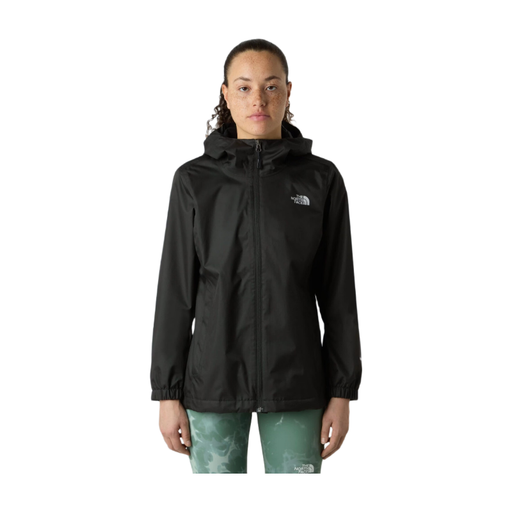
Why it suits this profile: Designed for walkers looking for a technical shell for changeable weather, with enough room for layers.
The description mentions fully sealed seams, an adjustable hood, adjustable cuffs and two zipped pockets.
100% polyester outer layer with DryVent mentioned, plus a mesh lining and DWR finish according to the product information.
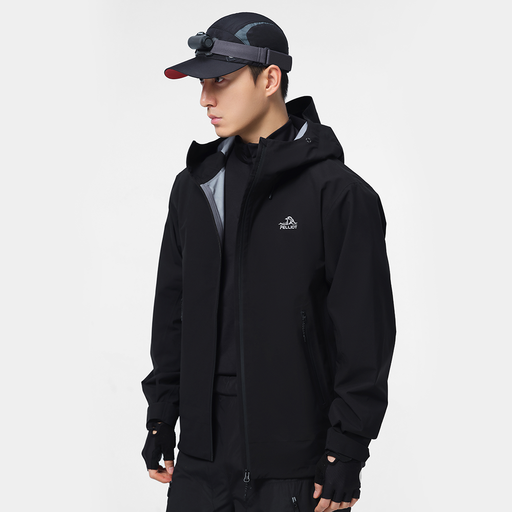
Why it suits this profile: A unisex hardshell for water-based activities, trekking and commuting where wind and rain are factors.
The product description specifies waterproof lamination, a mesh or technical lining and sizing advice that allows extra room for thick mid-layers.
According to the table, size M has a chest measurement of 116 cm. The jacket carries a manufacturer’s abrasion-resistance claim and requires careful care.
We’ve put together a complete, up-to-date list of products that fully meet these strict selection criteria and the applicable European safety regulations.
Start with a sports shirt, training trousers or leggings and sports socks that stay securely in place. For women, a sports bra may be appropriate for the intensity of the workout. Choose layers when training outdoors: a breathable shirt with a lightweight jacket is more flexible than one heavy layer.
This depends on how often it is used, how it is washed and the material. Replace a garment when seams start to come undone, elastic loses its shape, the fit changes or the fabric no longer feels comfortable. Follow the care label and do not use bleach unless permitted. With some synthetic fabrics, it is advisable to avoid fabric softener.
Training trousers are often designed with freedom of movement, quick-drying fabric or a sporty fit. Jogging bottoms generally focus more on comfort and everyday wear. The distinction is not always clear-cut. So look at the specific features, such as pockets, waistband, fabric thickness and cuffs, rather than relying solely on the product name.
