
Vandaag of morgen in huis

Kwaliteit gegarandeerd

Welkomstaanbiedingen ontgrendelen: GRATIS bezorging | Tot 80% korting | Gratis 30 dagen JoyPlus-proefperiode
Download de app
Finding the right sportswear and shoes can feel like a sport in itself. The selection is vast, and the marketing promises are often even bigger. Many athletes fall into the same traps: they overpay for a brand name or buy gear that loses its functionality after a few washes. The result is discomfort during exercise and wasted money.
Before you invest in a new outfit, it's helpful to know the most common missteps:
You don't need to be a materials scientist to make a good choice. By paying attention to a few key specifications, you can easily separate the wheat from the chaff.
Comfort during exercise starts with the right material. Breathable sportswear is designed to wick sweat away from the skin, keeping you dry and at a stable temperature. Cotton does the exact opposite: it absorbs moisture, becoming heavy and cold.
Therefore, look for synthetic materials like polyester, polyamide, or a blend with elastane. Pay attention to terms like "moisture-wicking" or "quick-dry". These features aren't just marketing jargon; they indicate a functional design that helps you stay comfortable, whether you're going for a run or hitting the tennis court.
For athletic shoes, three components are crucial: the midsole, the outsole, and the upper.
The right fit depends entirely on your sport. For women's tennis apparel, a blend with elastane (stretch) is essential for quick, lateral movements. Women's sports tops designed for running often have a more fitted cut to prevent chafing, whereas a top for the gym can be a bit looser. Always check the product description for information on the fit (e.g., "slim fit," "regular fit," or "loose fit").
To help you with your choice, we have highlighted a few products that suit specific athlete profiles.
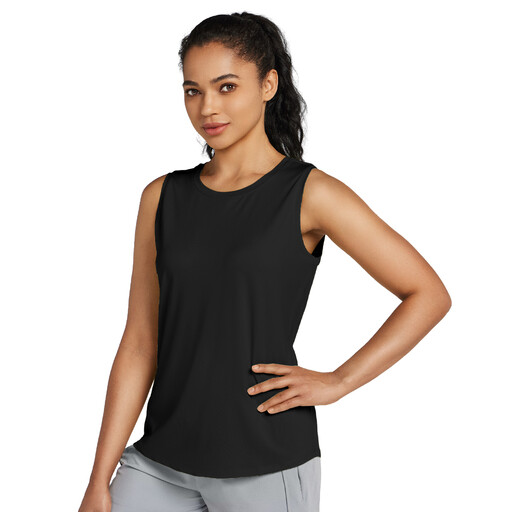
Why This Fits Their Persona: Ideal for those who switch between the gym, a yoga class, and a light run. The loose fit and quick-drying material offer comfort and versatility without the restrictions of a tight, sport-specific top.
This product focuses on functionality (quick-drying, loose fit) rather than an expensive brand name, giving you a practical staple for various workouts.
The "Quick Dry" fabric effectively wicks away sweat. The loose fit provides maximum freedom of movement and comfort.

Why This Fits Their Persona: For the runner who explores both paved paths and forest trails. This shoe is designed for the transition from road to trail, with a focus on cushioning and grip on varied terrain.
This isn't a vague "do-it-all" shoe. The specifications are clear: an EVA midsole for shock absorption and a ROCKYTEC outsole for grip, which helps it avoid the generic athletic shoe trap.
The combination of a cushioned midsole and a high-grip outsole makes it suitable for diverse surfaces. The breathable mesh upper helps keep feet cool.
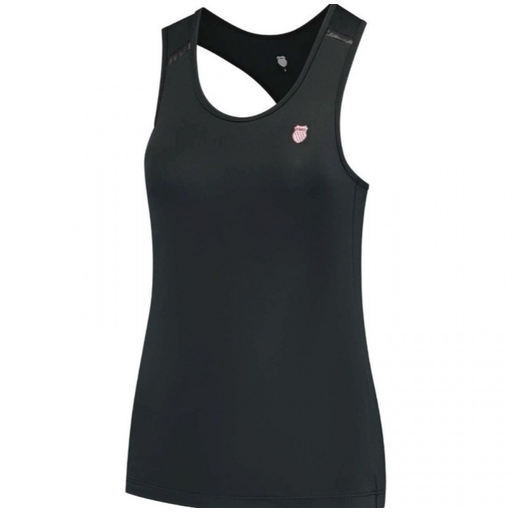
Why This Fits Their Persona: This tank top is specifically designed for the demands of the tennis court. It combines a functional, breathable design with a feminine fit that offers freedom of movement during serves and sprints.
Instead of a generic sports top, this is a garment tailored to a specific sport. The material composition (84% polyester, 16% elastane) is chosen for the stretch required in tennis.
The sleeveless construction and the addition of elastane ensure maximum mobility. The moisture-wicking technology keeps you dry during an intense match.
We have compiled a complete, up-to-date list of products that meet these strict selection criteria and comply with local regulations.
The main difference lies in the outsole and the upper. Trail running shoes have a deeper, more aggressive tread for grip on unpaved and uneven surfaces like mud, rocks, and forest paths. The upper is often more robust and durable to protect the feet from branches and stones. Regular running shoes are lighter and have a flatter sole optimized for efficiency and cushioning on asphalt or other paved surfaces.
To preserve the functional properties of breathable sportswear, it's best to wash it inside out at a low temperature (maximum 30°C or 86°F). Do not use fabric softener, as it can clog the fabric's pores and reduce its breathability. Let the clothing air dry instead of using a tumble dryer; the heat can damage the elastic fibers.
The amount of cushioning you need depends on your running style, weight, and the surface you run on. Runners who are heel-strikers or run longer distances on hard surfaces often benefit from more cushioning to absorb impact. Lighter runners or those who run shorter distances might prefer a more lightweight athletic shoe with less cushioning for a more direct feel of the ground. It's always a personal trade-off between protection and responsiveness.
