
Vandaag of morgen in huis

Kwaliteit gegarandeerd

Welkomstaanbiedingen ontgrendelen: GRATIS bezorging | Tot 80% korting | Gratis 30 dagen JoyPlus-proefperiode
Download de app
Sports nutrition and food supplements can be useful if you want to take in extra protein, creatine, vitamins or electrolytes every day. However, it is easy to end up paying for eye-catching packaging, a long ingredients list or a promise that does not really match your training goal.
This guide will help you compare products objectively. Pay particular attention to dosage, nutritional values, allergens and when to use the product. A supplement is no substitute for a varied diet, but it can be a practical addition to an active lifestyle.
A product containing dozens of vitamins, amino acids and plant extracts may look comprehensive. More important is how much you take in per recommended serving and whether those ingredients meet your needs. With a multivitamin for men, for example, the number of tablets per day is relevant, as are the percentages of the reference intake.
Also look out for overlap. If you already use a multivitamin, pre-workout and energy drink, you may be getting the same vitamins or caffeine from several sources.
Always compare protein powder and protein bars per serving and per 100 grams. A bar containing 20 grams of protein may also be relatively high in calories, fat or polyols. With whey protein, the type of protein is also relevant: whey isolate, whey concentrate and hydrolysed whey have different properties and price points.
If you have a milk allergy or are sensitive to lactose, always check the ingredients and allergens. Whey products generally contain milk; some varieties may also contain soya, gluten or traces of nuts.
An energy drink often contains caffeine and sugar or sweeteners, but that does not automatically make it a sports drink for hydration during exercise. For longer or more intense training sessions, electrolytes – particularly sodium – may be more relevant than a stimulating effect. So check the amount of sodium, potassium and magnesium per can or stick.
For muscle growth and recovery, your total protein intake throughout the day is more important than simply when you drink a shake. When choosing a protein powder, look at:
A weight gainer is a different product category. As well as protein, it provides plenty of carbohydrates and calories. This may suit someone who struggles to consume enough energy, but a large serving is not automatically suitable for every athlete. Optimum Nutrition Serious Mass, for example, states that it provides 50 grams of protein, approximately 250 grams of carbohydrates and around 1,269 to 1,292 kcal per serving. With products like these, follow the recommended serving size and take your total daily intake into account.
With creatine, the amount of creatine monohydrate in the daily dose is the most important point of comparison. According to Lucovitaal’s product information, the beneficial effect is achieved with 3,000 mg of creatine per day. According to the label, Pure Creatine Monohydrate Powder consists of 100% creatine monohydrate and contains no sugar or common EU allergens.
Gummies may be more convenient when you are out and about, while powder is often more flexible to dose. With gummies, also check the sweeteners, such as maltitol, and the recommended daily amount. Drink plenty of fluids while using the product and do not exceed the dosage stated on the label.
A pre-workout often contains caffeine, beta-alanine, creatine or amino acids. Therefore, check:
According to the product information, C4 Pre-Workout contains 150 mg of caffeine per recommended serving. Lucovitaal Pre-Workout also states that it contains 150 mg of caffeine per daily dose. Beta-alanine may cause a temporary tingling sensation in some users.
For hydration during exercise, you can compare the electrolytes per pack. According to the label, Applied Nutrition NA11 Hydration contains 500 mg of sodium, 190 mg of potassium and 56 mg of magnesium per 330 ml can, with no sugar and 7 kcal. The stick packs provide approximately 1,190 mg of electrolytes per stick, including sodium, potassium, chloride, calcium and magnesium. The products therefore differ clearly in dosage, format and ease of use.
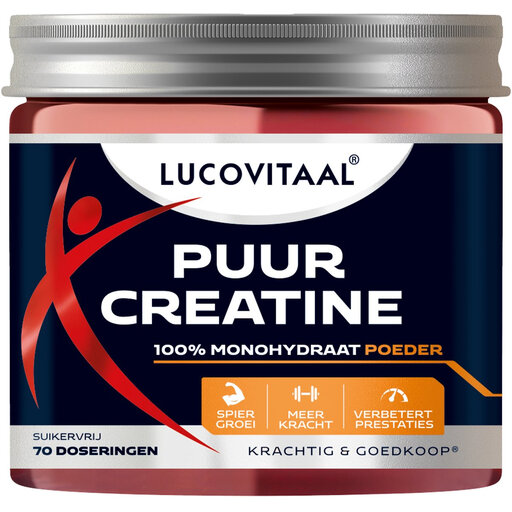
Why it suits this profile: A simple powdered option for athletes who want to add creatine without extra flavourings or a complex formula.
According to the product information, the formula is 100% creatine monohydrate. This makes it easy to check the amount of the main ingredient.
Recommended daily intake of 3,000 mg; vegan and sugar-free according to the product description.

Why it suits this profile: Suitable for adults who want a whey protein with a specified protein blend and clearly stated serving values.
The product information states approximately 24 g of protein per 32 g serving, along with sugar, fat and calorie information.
A blend of whey isolate, concentrate and hydrolysed whey; designed to mix with water or milk.
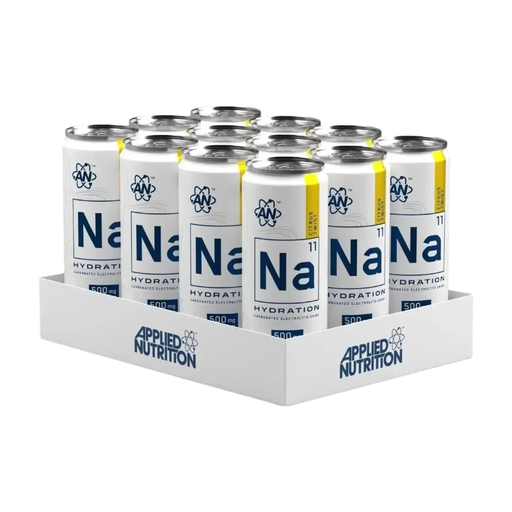
Why it suits this profile: A practical choice for adults who want a ready-to-drink electrolyte beverage during longer or more intense training sessions.
The nutritional information lists 500 mg of sodium, 190 mg of potassium and 56 mg of magnesium per can. This allows you to compare the electrolytes clearly.
330 ml per can; 0 grams of sugar and 7 kcal per can according to the label; caffeine-free according to the product information.
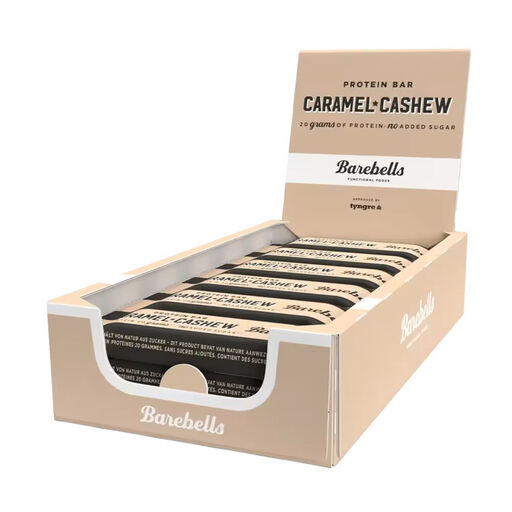
Why it suits this profile: Handy when you want a fixed serving of protein to hand while travelling, at the office or immediately after exercising.
Each bar contains 20 g of protein, 200 kcal, 1.5 g of sugar and 5 g of polyols. This lets you see both the benefits and the points to consider.
12 individually wrapped 55 g bars; 20 g of protein per bar; contains cashews and peanuts, so check the allergens.
We have put together a complete, up-to-date list of products that fully meet these strict selection criteria and the applicable European safety regulations.
Start with a varied diet and a sufficient total protein intake. Protein powder or protein bars can be practical when regular meals are not convenient. Compare the amount of protein per serving and do not use a supplement as a replacement for a complete meal without a nutritional reason.
That depends on the price per daily dose. Divide the total price by the number of doses and check how much creatine you receive per day. Powder often consists of a simpler formula; gummies mainly offer convenience. Also consider sweeteners, serving size and storage instructions.
Not necessarily. For short or gentle workouts, water is sufficient for many people. During prolonged, intense exercise or when sweating heavily, a product containing electrolytes may be suitable. In particular, check the amount of sodium per serving and consider your overall dietary intake. If you take medication, have a medical condition or are unsure about using supplements, it is advisable to consult a doctor or pharmacist.
