
Vandaag of morgen in huis

Kwaliteit gegarandeerd

Welkomstaanbiedingen ontgrendelen: GRATIS bezorging | Tot 80% korting | Gratis 30 dagen JoyPlus-proefperiode
Download de app
A sports helmet may seem straightforward to choose at first glance. However, many disappointing purchases are caused by the wrong size, a helmet that is unsuitable for the activity or marketing claims that say little about everyday use. For example, a cycle helmet for commuting is not automatically suitable as a motorcycle helmet, while a comfortable skateboard helmet may not provide sufficient protection for motorised rides.
In this buying guide from the Joybuy Product Recommendation Officer, we look at the practical points to consider when choosing a sports helmet. The focus is on verifiable features such as size range, adjustment options, ventilation, materials and stated safety standards.
A matt finish, striking colour or low price says little about fit and wearing comfort. Always check the product information: what type of helmet is it, which activity is it designed for and what materials have been used?
A helmet for skateboarding, BMX or skating often has an ABS outer shell with an EPS inner layer. A road cycling helmet is usually lighter and designed with a greater focus on airflow. A motorcycle helmet has a different construction and must comply with the relevant regulations for use on public roads.
A helmet that is too loose can move during a fall. A helmet that is too tight causes pressure points and may therefore be worn less consistently. Measure your head circumference with a flexible tape measure around the widest part of your head, approximately 2 to 3 centimetres above your eyebrows.
Compare the result with the size range of the specific model. A medium size is not the same across every brand. With some helmets, sizes overlap, for example 54-58 cm and 56-61 cm.
A ski helmet, BMX helmet, cycle helmet and motorcycle helmet are not interchangeable. Check the intended use and the stated standard. A helmet for cycling, mountain biking and skating is designed for those activities. For motorcycling, look for a clear reference to ECE 22.06 or ECE R 22.06.
An adjustable helmet usually has a dial at the back and an adjustable chin strap. These allow you to adapt the helmet to your head circumference. After fastening it, check that the helmet remains stable when you gently move your head from side to side.
For a children's helmet from age 5 onwards, it is particularly important not to buy a size to grow into. A helmet should fit properly now. Models with several removable liners can help you fine-tune the fit, but always check the stated size range.
Many sports helmets consist of a hard outer shell and an energy-absorbing EPS inner layer. Product information may refer to ABS, polycarbonate (PC) and EPS. The choice of material is only one part of the assessment; fit, intended use and certification remain important.
An in-mould construction, in which the outer shell is bonded to the EPS layer, is used in various cycle and mountain bike helmets. Also look at how much of the head is covered. A mountain bike helmet, for example, may offer additional protection at the back and sides.
A helmet with MIPS contains a system that, according to the product description, is designed to limit the transfer of rotational forces during certain impacts. This is not a guarantee that injuries will be prevented. The helmet must still fit properly and be fastened correctly.
Ventilation is particularly relevant during long cycle rides, mountain bike climbs or intensive skating. Check the number of ventilation openings and whether they remain clear of dirt. A removable visor can help protect against sun, rain, mud and branches when mountain biking. However, a helmet with a visor is not automatically suitable for skiing or motorcycling.
For a motorcycle helmet, check not only the fit but also the type of visor, fastening and official standard marking. According to the product information for the MY 935 and MY 936, this series complies with ECE R 22.06. When buying, always check the current product page, the marking on the helmet and the documentation supplied.
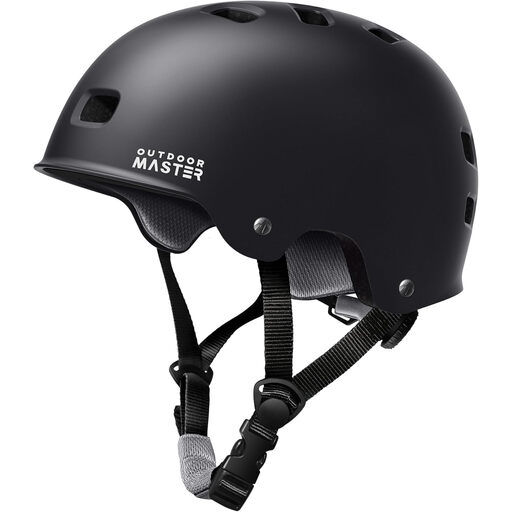
Why it suits this profile: This XS helmet is designed for head circumferences of 46-51 cm and can be used for skateboarding, cycling, BMX, scootering and skating. This makes it practical for recreational use and for families looking for one model for several non-motorised activities.
The size range is clearly stated. Two removable liners, a dial and an adjustable chin strap allow you to fine-tune the fit.
ABS outer shell, EPS core, ventilation openings and washable liners. Suitable for users aged 5 and over according to the product description.

Why it suits this profile: A choice for adults who cycle frequently, commute or go on longer rides and value MIPS, ventilation and a precisely adjustable fit.
The product description mentions use for road cycling and commuting rather than motorised activities. The MIPS system and size adjustment are listed separately.
PC outer shell, EPS liner, MIPS, adjustment dial and multiple ventilation openings according to the product information.
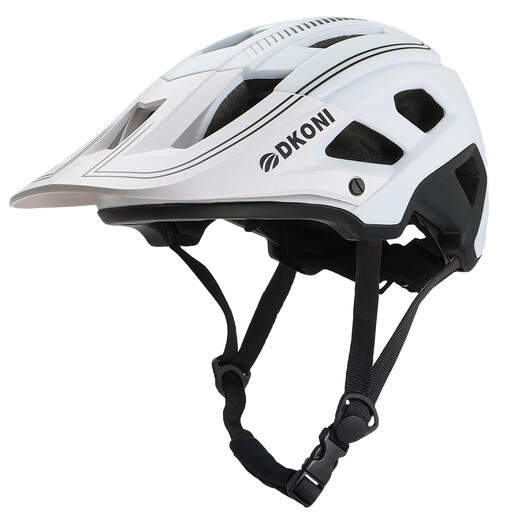
Why it suits this profile: This mountain bike helmet is designed for longer rides and off-road cycling. The generous L size, removable visor and coverage at the sides and back make it suitable for use on unpaved paths.
The product information specifies 17 ventilation openings, an adjustment wheel and a clearly defined size range of 56-61 cm. The visor is removable, allowing you to adapt how you use it.
PC shell with EPS foam, ABS visor, soft inner pads and a stated weight of approximately 380 grams.
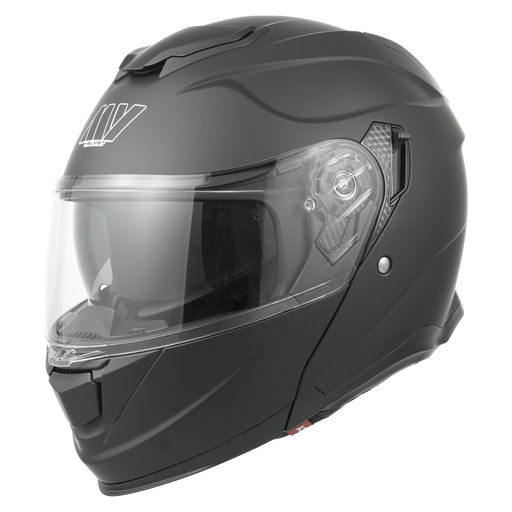
Why it suits this profile: A flip-up motorcycle helmet for adults who value a full-face construction, dual visor and preparation for an intercom.
The product page explicitly states ECE R 22.06, the size range and suitability for motorcycling. Check the marking and documentation upon delivery.
ABS shell, EPS inner layer, dual visor, washable liner and sizes from XS to XXL according to the product description.
We have put together a complete, up-to-date list of products that fully meet these strict selection criteria and the applicable European safety regulations.
Clean a helmet with a soft, damp cloth. Wash removable liners according to the product instructions and allow them to air-dry completely. Do not use harsh chemicals, and store the helmet away from direct sunlight and extreme heat.
Replace a sports helmet after a serious fall or collision, even if there is no visible damage. Check the shell, liner, fastening and straps before every use. A helmet with cracks, loose components or a damaged inner layer should not be used again. Manufacturers also often recommend replacement after a few years because materials deteriorate; follow the instructions for the specific model.
A cycle helmet should fit securely and evenly without painful pressure points. The front usually sits a few centimetres above the eyebrows. Adjust the dial first and then adjust the chin strap. The helmet should not move forwards, backwards or sideways when you move your head.
MIPS is an additional system that, according to manufacturer information, is designed for certain rotational movements during an impact. It does not automatically make a helmet suitable for every sport and does not replace a good fit. First choose the right helmet type, the right size and suitable certification. You can then consider MIPS as an additional feature.
Its lifespan depends on use, storage and any impacts. Replace the helmet immediately after a significant collision. Even without an accident, EPS, straps and liners can wear out over time. Check the condition of the helmet regularly and follow the manufacturer's replacement guidance.
