
Vandaag of morgen in huis

Kwaliteit gegarandeerd

Welkomstaanbiedingen ontgrendelen: GRATIS bezorging | Tot 80% korting | Gratis 30 dagen JoyPlus-proefperiode
Download de app
Sports and walking shoes may seem straightforward to compare at first glance. However, the wrong choice can result in poor grip, wet feet or a fit that becomes uncomfortable after an hour of walking. Marketing terms such as “all terrain”, “extra cushioning” and “waterproof” only mean something when you understand the construction behind them.
For conditions in the Netherlands, changeable weather, tarmac, cycle paths, woodland surfaces and mud are particularly relevant. The right shoes therefore depend on your activity, foot shape and terrain. A pair of trainers for everyday use needs different features from trail running shoes for a wet woodland path.
A shoe that is comfortable on tarmac is not automatically suitable for loose woodland surfaces. Running shoes often have a sole with a relatively flat tread for even surfaces. Trail running shoes and hiking shoes usually have deeper grooves and a rubber outsole designed for mud, gravel or uneven paths.
If you use a road-running shoe on a wet, steep path, the grip may not be sufficient. Conversely, an aggressive sole tread can feel stiff on tarmac and wear out more quickly.
GORE-TEX shoes and other waterproof shoes can help keep out rain and splashing water, but their protection has limits. Water can enter through the opening, and a membrane is less practical if your feet sweat heavily or the shoes do not ventilate sufficiently.
Therefore, check whether the product description actually mentions a GORE-TEX membrane or waterproof lining. A marketing term such as “weather ready” is not, on its own, a technical specification.
An EU size is not the same across every model. The width, heel hold, toe room and shape of the last all affect the fit. Ideally, measure your foot at the end of the day, wearing the socks you intend to use for sport or walking.
With models that use sizes in thirds, such as 41 1/3, it is particularly important to check the size chart. For walking shoes, a little extra room around the toes can be comfortable, especially on longer descents. However, a heel that is too loose increases the risk of slipping.
Pay attention to the combination of:
The shape may differ between women’s and men’s shoes, depending on the model. So do not look only at the intended wearer in the product name. Also check the stated fit and size chart.
A sole with deep lugs is particularly useful on soft or loose surfaces. For city routes and everyday use, flexibility and a more even tread are often more practical. Check the description for information about the rubber, tread and intended terrain.
Brand names such as Contagrip refer to a specific sole technology. Do not treat its performance as a guarantee: according to Salomon’s product description, the sole is designed to provide grip on certain surfaces. Actual grip also depends on wear, moisture, mud and your walking technique.
For running on tarmac, a higher midsole with EVA or Energy Foam cushioning can feel comfortable. On technical terrain, stability, heel support and a protective toe cap are at least as important. More cushioning is not automatically more suitable; it can affect ground feedback and stability.
Also consider the weight. A sturdy hiking shoe generally offers more protection, but feels different from a lightweight trail runner.
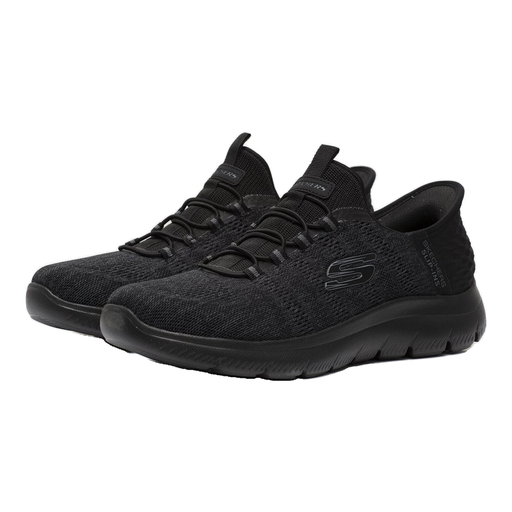
Why it suits this profile: A practical choice for everyday use, commuting and light sporting activities. The slip-on construction is convenient when you want to put your shoes on quickly.
The product information states that this model has a regular fit, a patterned rubber outsole and a fixed insole. Do not therefore expect it to perform as a technical trail shoe.
Air-cooled memory foam insole, textile upper and slip-on design.
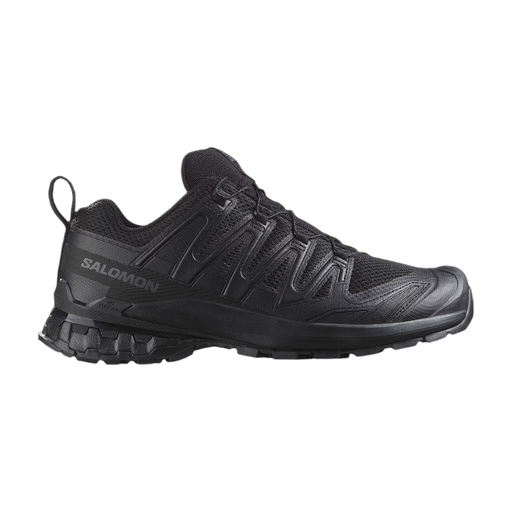
Why it suits this profile: Suitable for walkers and outdoor enthusiasts who value stability, protection and weather resistance on technical trails.
According to the product description, this model has a GORE-TEX membrane, a 3D Advanced Chassis and a Contagrip sole. Water protection and stability are therefore specified more clearly than with ordinary trainers.
Waterproof membrane, Quicklace system, reinforced toe and heel zones.
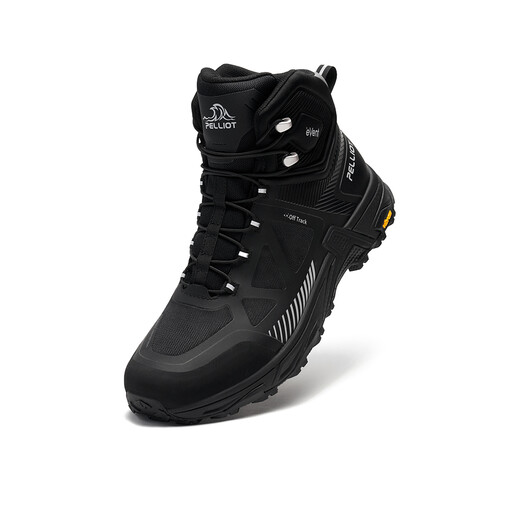
Why it suits this profile: Designed for camping, demanding walks and terrain where a protective hiking boot offers more support than low-cut sports or walking shoes.
The description mentions a protective toe cap, hard-wearing synthetic upper, waterproof lining and profiled rubber. However, check the foot length in millimetres before buying.
Deep tread, Quick-Lace system and protection against stones and bushes.
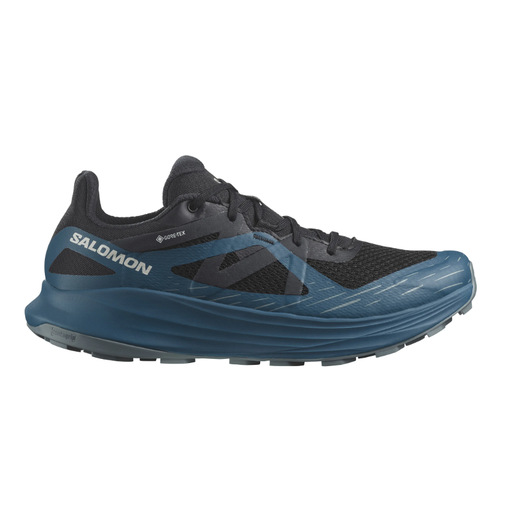
Why it suits this profile: Useful for runners who combine routes on tarmac and trails and do not want to use a different pair for every surface.
According to the product description, this model combines a GORE-TEX membrane with a mixed Contagrip sole and a higher midsole. Its specifications are therefore suited to varied terrain and wet weather.
EVA cushioning, soft materials and suitability for tarmac and trails.
We have put together a complete, up-to-date list of products that fully meet these strict selection criteria and the applicable European safety regulations.
Allow wet shoes to dry at room temperature and avoid direct heat from a radiator. This can damage materials and bonded areas. Remove mud with a soft brush or damp cloth, and always follow the washing and care instructions on the product label.
Do not use waterproof shoes as a reason to walk through deep puddles. Also check the sole tread regularly. Shallower grooves generally mean less grip, regardless of the original specifications.
Yes, running shoes can be comfortable on tarmac and paved paths. For mud, loose stones or technical routes, trail running shoes or hiking shoes are usually the more logical choice because of their tread and construction.
This depends on the surface, how often you walk or run, your body weight, maintenance and sole wear. Replace a pair when the sole visibly becomes smooth, the cushioning feels different or the upper no longer provides good support. Do not look only at the age of the shoes.
No. According to the product information, a GORE-TEX membrane can help protect against water from outside, but it can also affect breathability. For dry summer days or intensive indoor training, a well-ventilated, non-waterproof model may be more practical.
