
Vandaag of morgen in huis

Kwaliteit gegarandeerd

Welkomstaanbiedingen ontgrendelen: GRATIS bezorging | Tot 80% korting | Gratis 30 dagen JoyPlus-proefperiode
Download de app
A pair of sports and walking shoes may look impressive online, but that does not automatically mean they are suitable for your feet or activity. Road-running shoes have different requirements from trail-running shoes for muddy paths. Likewise, a comfortable everyday trainer is not always suitable for a long walk.
Pay particular attention to verifiable features such as fit, outsole profile, cushioning, materials and water protection. This helps you avoid paying mainly for a brand name or eye-catching design.
A lightweight trainer may be comfortable around town but lack the grip and stability needed for an unpaved path. Conversely, sturdy trekking shoes may feel unnecessarily heavy for everyday use.
First, decide what you will use the shoes for most often:
The terms waterproof shoes and GORE-TEX shoes refer to features that should be stated in the product information. A membrane can provide protection against moisture, but the level of protection also depends on the seams, tongue construction, wear and the depth of the water.
So check whether the product specifically mentions a GORE-TEX membrane. Models without this specification may still have water-repellent materials, but that is not the same as being waterproof.
The same EU size can feel different depending on the brand or model. The width, toe-box shape and instep height all affect how comfortable a shoe feels. Standard shapes may also differ between women’s and men’s shoes.
Where possible, order based on the size chart and check the fit information. A shoe should not pinch your toes, but your foot should not slide forwards as you walk either.
If you have wide feet, wide walking shoes or models labelled wide are worth considering. According to the product description, the Salomon X Ultra 4 Mid Wide GTX has a wider fit. This may provide extra room, but always check the measurements and return conditions yourself.
When trying them on, look for:
Cushioning is important in road-running shoes because you take many repeated steps on a hard surface. According to the product information, the Salomon Aero Glide 2 W is intended for running on paved surfaces and has a thick rubber outsole.
For everyday use, an EVA or Memory Foam insole may feel comfortable. However, this does not mean that every wearer will have the same experience. According to the product description, the Skechers Summits models have a Memory Foam insole, mesh upper and shock-absorbing construction.
An outsole with a flat profile is more suited to the city than to wet woodland terrain. For trail running and trekking, the tread pattern, rubber compound and stability construction are more important than the thickness of the outsole alone.
Product features such as Contagrip, Active Chassis or 3D Advanced Chassis are brand-specific terms. According to Salomon’s product descriptions, these systems are designed to provide grip and support across different terrains. Treat them as technical specifications, not as a guarantee that the shoe will perform equally well on every surface.
Mesh is generally lightweight and breathable, while leather or nubuck can offer greater durability. A waterproof membrane may affect breathability. Care also affects the lifespan of your shoes:
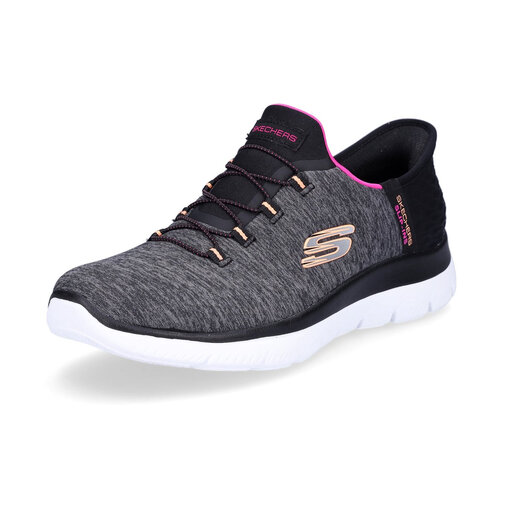
Why it suits this profile: This model is designed for everyday use, light training and casual outfits. The regular fit and stated size 39 make it easy to start with a familiar size.
The product information does not mention any technical trail features, making it clearer that the shoe is intended as an everyday trainer rather than a universal outdoor shoe.
Textile upper, Memory Foam insole, flexible rubber outsole and, according to the product information, a removable insole.
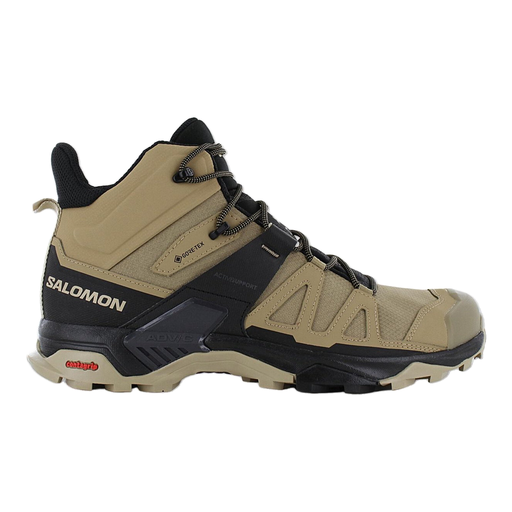
Why it suits this profile: For walkers who regularly tackle longer routes, hilly terrain or changeable weather, a mid-height model offers more ankle coverage than a low-cut trainer.
The product description specifies a GORE-TEX membrane, mid-height design and Contagrip MA outsole. This makes its intended features clearer than those of an ordinary leisure shoe.
GORE-TEX membrane, EnergyCell EVA midsole, Contagrip MA rubber outsole and a mid-cut construction according to the product specifications.
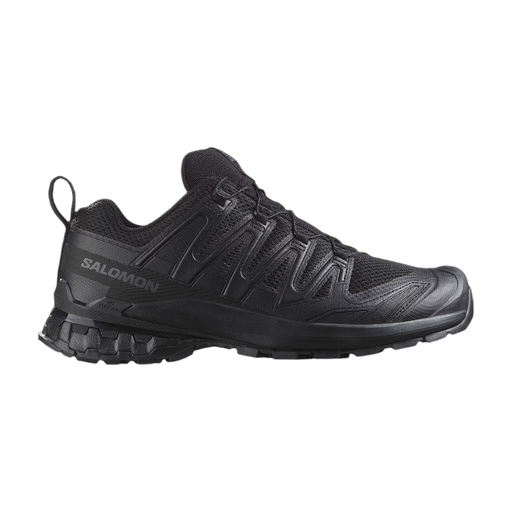
Why it suits this profile: This model is suited to trail running, walking and technical paths where grip, protection and a secure fit are important.
The description mentions both the GORE-TEX membrane and the 3D Advanced Chassis and Contagrip outsole construction. This allows you to compare the model more purposefully with ordinary walking shoes.
Quicklace system, GORE-TEX membrane, 3D Advanced Chassis and Contagrip rubber outsole according to the product information.
We have put together a complete, up-to-date list of products that fully meet these strict selection criteria and the applicable European safety regulations.
Measure your feet at the end of the day, when they often have slightly more volume. Wear the socks you intend to use for sport or walking. Compare the measurements with the size chart for the specific model and check whether the shoe is described as regular, narrow or wide.
Also pay attention to the return conditions, delivery time and statutory guarantee. For consumers in the European Union, many purchases are covered by a minimum statutory guarantee of two years, but the exact process depends on the fault and the applicable terms and conditions. Keep your order confirmation and check the shoes before using them intensively.
This depends on how they are used, the surface, your body weight, maintenance and the quality of the construction. In particular, check whether the outsole is visibly becoming smooth, the midsole is permanently compressing or the upper is showing cracks. With regular running, wear may occur more quickly than with recreational walking.
They can be, particularly in rainy weather or when walking through wet grass. According to the product specifications, a GORE-TEX membrane is designed to keep water out while allowing vapour to escape. In warm, dry weather, a fully breathable mesh model may feel more comfortable. Choose based on the weather and your activity, not just the brand name.
Running shoes are generally lightweight and designed for repeated movement on asphalt or similar surfaces. Walking shoes tend to place greater emphasis on grip, stability and protection. Trekking shoes are usually sturdier and may have a higher shaft. For everyday use, comfortable trainers with a flexible sole are often sufficient, provided you are not tackling demanding terrain.
