
Vandaag of morgen in huis

Kwaliteit gegarandeerd

Welkomstaanbiedingen ontgrendelen: GRATIS bezorging | Tot 80% korting | Gratis 30 dagen JoyPlus-proefperiode
Download de app
Sports trousers need to do more than look sporty. During fitness sessions, training, walks or a warm-up, you quickly notice whether the waistband slips, the fabric becomes too warm or pockets are missing. For everyday wear too, there is a clear difference between soft joggers and technical training trousers.
The product photo and familiar brand name do not tell the whole story. Pay particular attention to these common pitfalls:
For gentle walks or wearing at home, comfortable trousers made from cotton or a cotton blend may be sufficient. Fleece and French terry often have a softer, warmer inner side. This makes them suitable for travel, warm-ups and relaxed days.
For more intensive training, synthetic fabrics such as polyester or nylon are practical. Product information may include terms such as “moisture-wicking”, “quick-drying” or “4-way stretch”. Treat these as the brand’s product specifications and also check the fabric composition. According to the product information for the Nike Dri-FIT Academy Pants, Nike uses Dri-FIT technology for moisture management; the model is made from 100% polyester according to that information. This tells you something about the design, but does not guarantee that every wearer will have the same experience.
Elastane provides stretch, but the percentage varies by model. A nylon-elastane blend, such as the one used for the Skechers GO WALK trousers, may therefore feel different from cotton joggers.
Always check:
A drawstring helps you adjust the waistband, but it is no substitute for choosing the right size. For the Adidas Trefoil Essentials Pants, a waist measurement of 76–81 cm is listed for size S. The trousers have a slim fit, fleece fabric and ribbed cuffs. If you normally wear loose-fitting joggers, this model may therefore feel different from a regular fit.
Think in advance about what you want to carry. Side and back pockets are practical for everyday use. For running or fitness, a secure pocket is often more suitable. According to the product description, the Under Armour men’s tricot joggers have open hand pockets, a back pocket and an internal phone pocket on the right-hand side.
Care affects the lifespan of sports trousers. Follow the care label, do not use bleach when it is not recommended, and avoid fabric softener for models where this is explicitly excluded. Some trousers must not be tumble-dried, while others can be dried at a low temperature. Dark colours, such as black sports trousers, can stay looking smart for longer if you wash them inside out with similar colours.

Why it suits this profile: These black Adidas trousers are designed for everyday comfort, travel and light warm-ups. The slim fit and ribbed cuffs create a neat appearance.
The waistband is elasticated and has a drawstring. The product information also mentions side pockets, so you do not have to rely on appearance alone.
70% cotton and 30% recycled polyester; fleece, side pockets and an adjustable waistband.
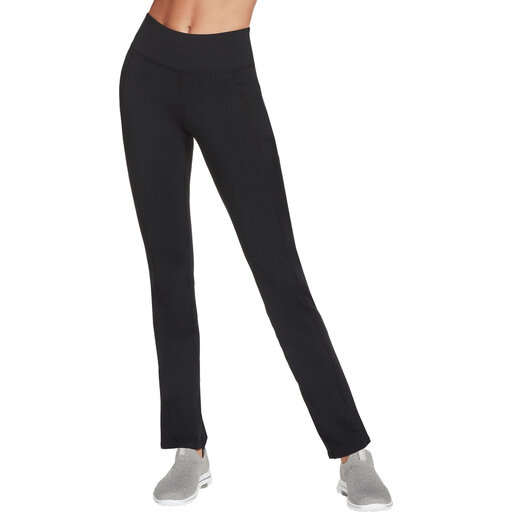
Why it suits this profile: The combination of stretch, pockets and a slightly flared leg suits anyone looking for sports trousers for walking, light training and everyday wear.
The specifications mention flatlock seams, a double waistband and external side and back pockets. However, check that the slightly flared leg suits your preference.
Nylon-elastane blend with 4-way stretch; 81 cm inside-leg length for size S; side and back pockets.

Why it suits this profile: This model is designed for training and active situations. The athletic fit and polyester fabric are intended to provide freedom of movement while keeping weight low.
The product information states that it has an athletic fit and is made from 100% polyester. According to the product description, Nike uses Dri-FIT for moisture management; check for yourself whether the fit and fabric suit your training.
100% polyester; plain blue colour; model information mentions Dri-FIT technology and freedom of movement.
We have compiled a complete, up-to-date list of products that fully meet these strict selection criteria and the applicable European safety regulations.
For fitness, usually choose a model with stretch, an adjustable waistband and fabric that, according to the product information, wicks away moisture or dries quickly. Fitness trousers made from nylon, polyester and elastane often offer more room for movement than heavy cotton joggers. Also check that the pockets will not get in the way during exercises.
Joggers are often designed for softness, warmth and everyday comfort, for example through the use of fleece or French terry. Training trousers are usually lighter and more suited to movement, with synthetic fabric, a tapered leg or an athletic fit. The terminology is not fully standardised, so always check the fabric composition and fit.
Their lifespan depends on how often they are worn, the intensity of use, the material and how they are cared for. Wash them according to the label, turn the trousers inside out and avoid products that the manufacturer advises against. When buying, look for durable seams, a well-finished waistband and fabric that suits the intended use. As a result, trousers worn every day may show different signs of wear from running trousers that are washed frequently.
