
Vandaag of morgen in huis

Kwaliteit gegarandeerd

Welkomstaanbiedingen ontgrendelen: GRATIS bezorging | Tot 80% korting | Gratis 30 dagen JoyPlus-proefperiode
Download de app
A good pair of sports trousers should feel comfortable, offer plenty of room to move and suit the activity you're buying them for. Yet many shoppers focus mainly on brand, colour or a discount. As a result, a pair of trousers can sometimes disappoint in practice: too warm for the gym, too thin for outdoors, or losing their shape after just a few washes.
With this buying guide, you can compare sports trousers based on material, fit, waistband, pockets and intended use. That way, you'll find the right training trousers, joggers, track pants or casual sports trousers for everyday wear more easily.
Cotton feels lovely for lounging at home, walking or warming up. However, during intense exercise, cotton can trap moisture and dry slowly. A polyester sports trouser is often lighter and generally dries more quickly. So first, check what you'll be using the trousers for.
A size M varies from brand to brand and model to model. A slim fit is different from a regular fit, while an elasticated waistband can offer extra give. Always look at the waist measurement in centimetres, the inside leg length and the recommended fit. This is important for both men's sports trousers and women's sports trousers.
A coating or DWR treatment can help against light drizzle, but it doesn't automatically mean a pair of trousers can handle prolonged rain. For winter sports, a waterproof ski trouser with sealed seams, a snow gaiter and ventilation zips is a more logical choice than a standard pair of training trousers.
Brand names for technology are not automatically a guarantee of the same result for every user. According to Nike, the Dri-FIT technology in the Academy Pants is designed to wick moisture away from the skin. Always check the fibre composition and fit in the product information as well.
A good pair of sports trousers has a waistband that stays in place without pinching. A drawcord makes the fit more adjustable. Also look out for:
For longer legs, the inside leg length and available length sizes are more important than just the ready-to-wear size.
Think ahead about what you want to carry. Open slip pockets are handy for keys, but a phone can fall out during running or sport. A zip pocket or internal phone compartment gives you more security. For outdoor trousers, cargo pockets, ventilation zips, an adjustable waistband and a snow gaiter are also relevant details.

Why this fits the profile: These joggers are designed for everyday comfort, warm-ups and casual wear. The adjustable waistband and side pockets make them practical for home, on the go or a gentle walk.
The product description states the fabric composition, slim fit, drawcord waistband and pockets. This allows you to better judge beforehand whether the style suits gentle use.
70% cotton and 30% recycled polyester fleece; ribbed cuffs, side pockets and adjustable waistband.

Why this fits the profile: This style is designed for training and active everyday use. The athletic fit and lightweight polyester suit those who value freedom of movement and a sporty look.
The specification lists 100% polyester, an athletic fit and quick-drying properties. This gives more concrete information than just a general promise about sports performance.
100% polyester; solid blue colour; style with Nike Dri-FIT technology according to the product description.
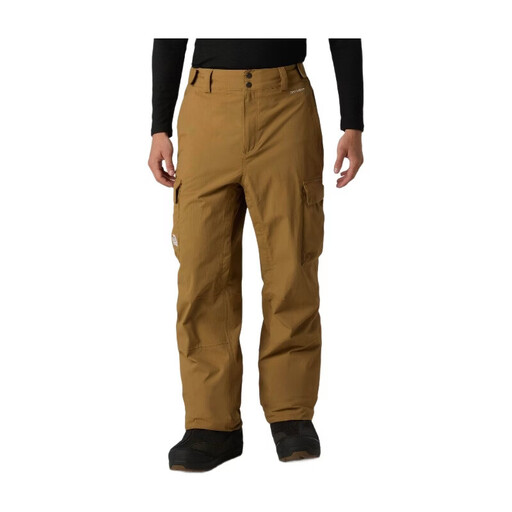
Why this fits the profile: This is a winter sports trouser for snow and outdoor activities. The product description mentions DryVent fabric, an internal snow gaiter, ventilation zips and a regular fit for layering.
This style is more clearly aimed at snow use than a standard pair of joggers. Do check the current size guide and care instructions before ordering.
Seam-sealed DryVent fabric according to the product description; snow gaiter, cargo pockets and ventilation openings.
Men's sports trousers often have a different waist-to-hip ratio and leg length than women's sports trousers. However, the product labels are not always fully comparable. So measure your waist and hips at the widest point and compare those figures with the size guide.
For women, a regular fit can be more comfortable for walking or warming up, while a tapered style fits nicely during fitness. For men, inside leg length and room around the thigh are often important points to consider. For both categories, the rule is: don't automatically choose a larger size when you want extra room to move; a relaxed fit may be more suitable for that.
The lifespan depends on use, washing frequency and drying. Wash sports trousers according to the label, use a mild detergent and avoid fabric softener when the manufacturer advises against it. Polyester styles usually dry quickly in the air. Cotton fleece can stay wet longer and, according to some product information, should not go in the tumble dryer.
After washing, check the waistband, seams and cuffs. A loose thread is a practical sign that it's time to repair the garment promptly. For a waterproof ski trouser, maintaining the water-repellent finish is especially important; always follow the manufacturer's instructions for this.
We've put together a full, up-to-date list of products that fully meet these strict selection criteria and comply with current European safety regulations.
Joggers are usually focused on comfort and often contain cotton, fleece or French Terry. Training trousers are more often made of polyester or a technical blend and are designed for exercise, warming up or sport. The lines blur in practice, so look mainly at the material and fit.
Measure your waist at the point where the trousers usually sit and also check your hip circumference and inside leg length. Compare the values with the brand's size guide. With an elasticated waistband, the drawcord is handy, but it doesn't replace a good size choice.
Wash sports trousers after intensive use or when they are visibly or noticeably dirty. For gentle use at home, airing them can sometimes be enough. Always follow the care label: some styles can be machine washed cold and tumble dried on a low setting, while others need to be air dried.
