
Vandaag of morgen in huis

Kwaliteit gegarandeerd

Welkomstaanbiedingen ontgrendelen: GRATIS bezorging | Tot 80% korting | Gratis 30 dagen JoyPlus-proefperiode
Download de app
A bag can look roomy and robust in a product photo, yet disappoint in everyday use. A zip that sticks, a base that wears quickly or a strap that digs into your shoulder — you often only notice these issues after a few weeks. With sports and travel bags, it’s not just about colour or capacity; the real difference is in size, materials and layout.
A bag with high capacity seems handy, but 50 or 110 liter gets heavy fast. So check for wide grab handles, an adjustable shoulder strap, backpack straps or wheels. A wheeled bag is great on smooth ground, but less suitable for stairs, sand or uneven forest paths.
Marketing terms aren’t always used consistently. A water-repellent bag typically keeps off light rain or splashes better, according to the product description, but that doesn’t mean the bag can stay underwater for long. A true dry bag usually has a roll-top closure and is designed for situations where moisture protection is critical. Always check the closure, seams and instructions for use.
Capacity says little about usability if everything ends up in one big compartment. For a gym bag, a shoe compartment, wet compartment and small zipped pocket are important. For a travel bag, a trolley strap, a wash bag or a separate pocket for documents matter. For a camping bag, a sturdy base, internal dividers and ease of care matter more than the number of liters alone.
Choose capacity based on the activity:
Beyond the number of liters, check the external measurements. A 36 liter travel bag may fit differently in a luggage rack than a backpack with the same capacity due to its shape.
Many bags use polyester, nylon or ripstop fabrics. Look for the stated denier, reinforced seams and the presence of a coating. According to the product information, an internal PU coating can help protect against splashes, but wear, creasing and washing can affect its performance.
A thickened or water-repellent base is practical on wet grass, in a changing room or on a campsite surface. Always follow the care instructions: some models should only be cleaned with a damp cloth and are not suitable for the washing machine or tumble dryer.
For running, cycling and walking, adjustable straps, a stable fit and low weight are key. A waist pack should sit snugly without slipping. On a backpack, chest or compression straps help hold the load closer to your body.
For sports users, these features are often relevant:
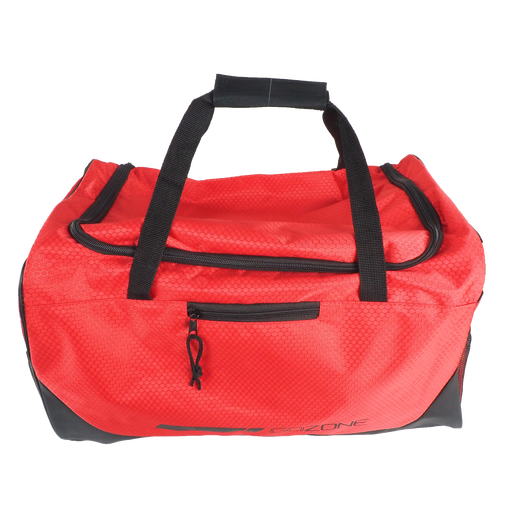
Why this suits the profile: The capacity of around 30–35 liter suits gym visits, training sessions and a short overnight stay. The bag has grab handles and a detachable shoulder strap.
The separate ventilated/shoe area stops footwear sitting directly among your clothes and accessories. The flat, reinforced base helps the bag stay upright.
600D polyester or ripstop nylon according to the product information, water-repellent PU backing, and a side pocket for a water bottle.
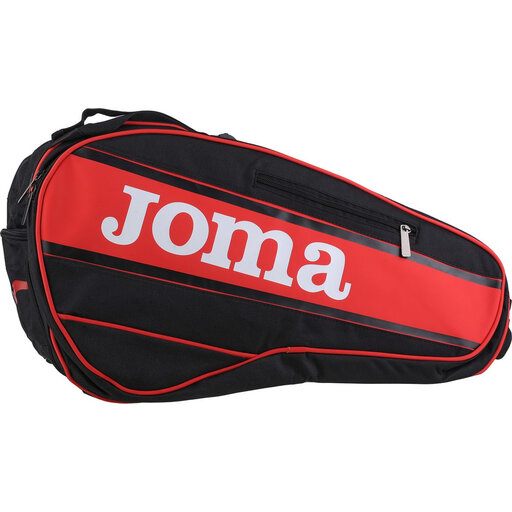
Why this suits the profile: This padel bag is aimed at players who want to carry rackets, shoes and clothing in an organised way to training or matches.
According to the product description, the bag has a ventilated shoe compartment and multiple storage zones, keeping wet or dirty items separate.
50 liter capacity, thermally lined side pocket for 3–4 rackets, and can be carried as a handbag or backpack.
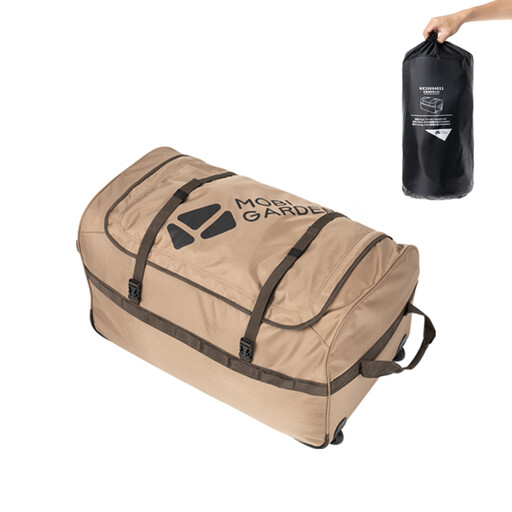
Why this suits the profile: Suitable for campers and anglers who carry lots of bulky kit and want to pull the bag over flat ground.
Built-in wheels reduce lifting with heavy loads. On stairs and steep slopes, the bag should be carried by hand according to the instructions.
110 liter capacity, folds down to roughly 42 × 21 cm, and a stated net weight of about 1,75 kg.
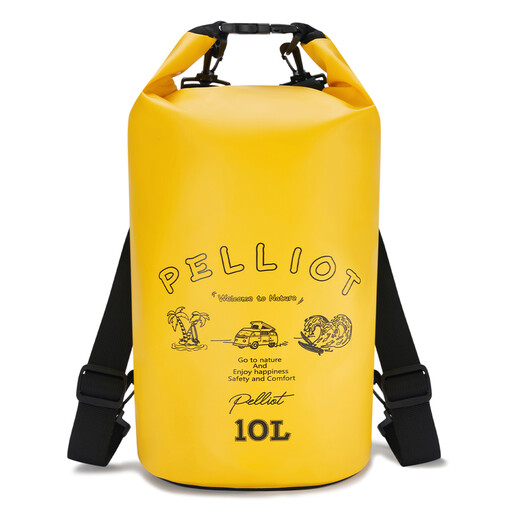
Why this suits the profile: A lightweight daypack for short walks, bike rides, commuting and trips where you only need to carry a little.
The roll-top closure, compression straps and stated water-repellent coating suit light rain and splashes. The description gives no basis for prolonged submersion.
10 liter capacity, around 200 grams, adjustable volume and a foldable design. According to the product information, the sternum strap includes an emergency whistle.
If you only take a smartphone, cards and keys when running or cycling, you don’t need a roomy sports bag. The PELLIOT Waist Pack is described as having an elastic waistband, multiple zip pockets and reflective strips. Check the size when choosing: S/M is specified for a waist of 66–88 cm and L/XL for 88–118 cm.
A waist pack should be tight enough not to move, but mustn’t restrict your freedom of movement. For larger items, a backpack is more practical.
A weekend bag of around 36 liter is useful for clothing and toiletries on a short trip. According to the product information, the Kono Expandable Travel Duffel Bag 36L features an expandable bottom compartment, a separate wet pocket, a cosmetic bag and a trolley strap. These are verifiable features that are especially handy for train and air travel, and for gym visits.
A standard travel bag isn’t always ideal for golf or padel. A golf travel bag needs to account for club length, protection around the top, and how you move the bag. With a padel bag, racket compartments, shoe space and carry options matter more than a single large main compartment.
We’ve compiled a complete, up-to-date list of products that fully meet these strict selection criteria and comply with current European safety regulations.
A gym bag of around 30–35 liter usually holds clothing, shoes, a towel and toiletries. A separate shoe or wet compartment helps keep used items away from dry clothing. Also look for an adjustable shoulder strap.
Lifespan depends on load, materials, zips and care. Don’t overload a bag, don’t drag a wheeled bag over surfaces it’s not intended for, and let damp items dry first. Follow the stated cleaning method to avoid unnecessarily stressing the coating and seams.
For light rain, a water-repellent bag can be sufficient if the closure is used properly. For watersports or items that must stay absolutely dry, a dry bag with a roll-top is the better choice. Always check the product specifications and usage limitations before you buy.
