
Vandaag of morgen in huis

Kwaliteit gegarandeerd

Welkomstaanbiedingen ontgrendelen: GRATIS bezorging | Tot 80% korting | Gratis 30 dagen JoyPlus-proefperiode
Download de app
A good sports T-shirt seems like a simple purchase—until you choose the wrong one. The shirt clings to your body ten minutes into a run, the fit is irritating during your workout, or you've paid for technology you don't actually need for a simple walk. A lot of marketing makes lofty promises but leaves the practical downsides unmentioned. This guide helps you avoid the most common pitfalls, so you can choose a shirt that truly works for your activity and budget.
Before you make a decision, it's helpful to know where things often go wrong. Many people base their choice on brand or appearance, ignoring crucial specifications.
To make the right choice, focus on a few objective features. These determine 90% of whether a shirt is right for you.
The most important choice is the material. The fabric determines how the shirt handles sweat and heat.
The fit affects comfort and functionality. Pay attention to the manufacturer's description.
Additionally, you can choose from various styles, such as a classic women's T-shirt or men's, a long-sleeve sport shirt for cooler days, or a women's tank top for maximum ventilation at the gym.
Below are some popular choices, matched with specific user profiles. These aren't "winners," but examples of how to align the right specifications with your needs.
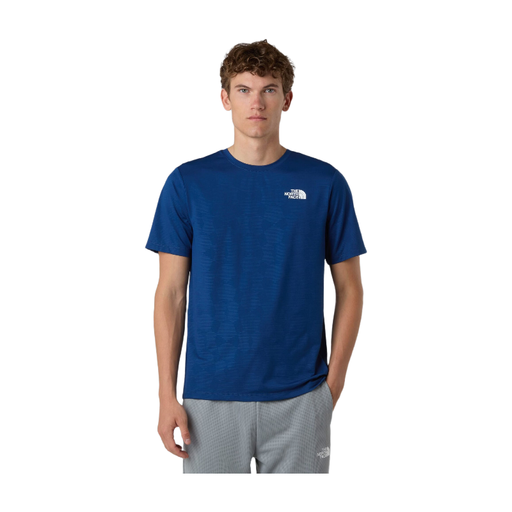
Why This Fits Their Persona: This user is looking for a shirt that performs during intense workouts like running or HIIT. Comfort is secondary to pure functionality to stay dry and focused.
This is not a cotton shirt. According to The North Face, it features FlashDry technology, specifically designed to quickly wick away moisture and speed up evaporation. This prevents the sticky, cold feeling of a wet shirt.
Made from 100% polyester, which guarantees durability and quick-drying properties. The fit is designed like a 'second skin' for optimal moisture management.
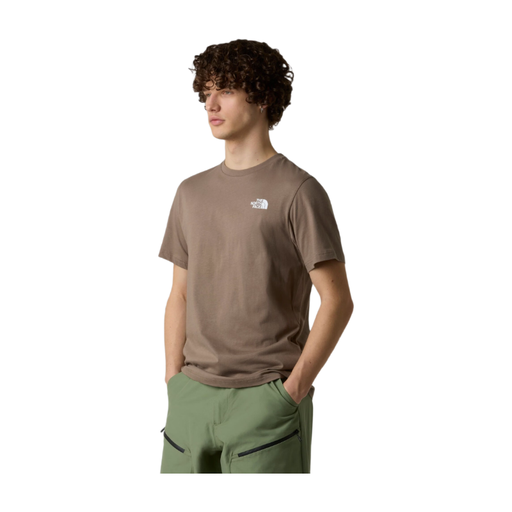
Why This Fits Their Persona: This person wants a comfortable and fashionable T-shirt from a well-known brand for daily use, light walks, or as part of a sporty, casual outfit. Breathability and softness are more important than technical performance.
This shirt isn't marketed as a high-tech sports shirt. It's honest about its purpose: a 'reliable wardrobe essential' for 'off-duty lifestyle use'. You're not paying for technology you don't need, but for the quality and comfort of 100% cotton.
Offers the comfort and breathability of cotton, which is ideal for everyday use. The classic fit makes it a versatile piece of clothing.

Why This Fits Their Persona: This user is active in the gym, participates in group classes or yoga, and needs a functional, breathable shirt that offers freedom of movement. A **Puma T-shirt** or tank top is often a practical and affordable choice.
This women's tank top is made from lightweight, breathable, and quick-drying synthetic material. It completely bypasses the 'cotton trap' and is purely focused on functionality during exercise, without the price tag of the most advanced technologies.
The sleeveless design and ergonomic fit provide maximum ventilation and freedom of movement, which is ideal for various fitness activities.
We have compiled a complete, up-to-date list of products that fully meet these strict selection criteria and current regulations.
Always check the care label. Generally, wash synthetic sportswear at a low temperature (30°C / 86°F) with similar colours. Do not use fabric softener, as it can clog the fabric's pores and reduce its moisture-wicking performance. Let the shirt air-dry instead of putting it in the dryer; the heat can damage the elastic fibres and technical coatings.
That depends on your use. For intense and regular athletes, investing in a shirt with advanced technology (like a Nike Dri-FIT shirt) can be worthwhile for the extra comfort and durability. For casual use or light activities, a simpler, cheaper shirt from a good brand or a basic cotton T-shirt is often sufficient. With premium brands, you are also paying for the fit, design, and durability of the materials.
A running shirt is often designed with an 'athletic fit' to minimise friction and is made from the lightest, quickest-drying material. Reflective details for visibility are also a common feature. A fitness shirt may have a slightly looser fit for more freedom of movement during various exercises and is often made of a more robust fabric that can withstand contact with gym equipment. However, the core technology (moisture-wicking) is often similar.
