
Vandaag of morgen in huis

Kwaliteit gegarandeerd

Welkomstaanbiedingen ontgrendelen: GRATIS bezorging | Tot 80% korting | Gratis 30 dagen JoyPlus-proefperiode
Download de app
Sports supplements can be a handy addition to your diet and training routine. However, just because a package makes big promises doesn’t mean you’re automatically paying for a better formula. Especially with creatine, pre-workout and electrolyte products, dosage, ingredients and ease of use matter far more than flashy slogans.
In this guide from the Joybuy Product Recommendation Officer, you’ll discover what to look for before you buy, which pitfalls are common, and which type of product suits different athletes.
A pre-workout with lots of active ingredients might look appealing, but always check the amount per serving. A product could contain creatine, taurine, beta-alanine and L-arginine, yet the dosage of each ingredient might be relatively low. So compare the nutritional information table, not just the front of the pack.
The same goes for amino acid supplements. “All amino acids” sounds comprehensive, but the amount per capsule can vary widely. Pay particular attention to the number of capsules per day and the levels of leucine, isoleucine and valine if you’re considering a product for your training routine.
Creatine gummies and creatine capsules are easy to take on the go. However, you may need several gummies or capsules to match the same daily amount you’d get from powder. So calculate the price per recommended daily dose, not just the price per pot.
Powder is often flexible to mix with water or another drink. Capsules and gummies are more practical when you’re out and about and don’t require a shaker. The right choice therefore depends on your routine.
A caffeine-free pre-workout can be suitable for evening training or for athletes who want to avoid caffeine. Do check the other ingredients though, such as beta-alanine, citrulline, taurine and creatine. A formula without caffeine can still combine several active ingredients.
Also, don’t use a caffeinated pre-workout just before bed. Some products contain 150 mg of caffeine per serving. Factor in coffee, energy drinks and other supplements to avoid unintentional stacking.
With creatine monohydrate, the amount per day is an important point of comparison. The product information for different options in this selection mentions around 3,000 mg of creatine per daily dose. Lucovitaal Pure Creatine Monohydrate Powder states 100% creatine monohydrate in the product description and recommends 3,000 mg per day. BSN DNA Creatine delivers 3.5 grams per serving according to the packaging.
Pay attention to the difference between creatine monohydrate and the total amount of a compound. Some products list both “creatine monohydrate” and “creatine”. Compare the relevant amount on the same basis.
A pre-workout supplement with caffeine is not the same as a caffeine-free pre-workout. Cellucor C4 Original states 150 mg of caffeine per serving and recommends use approximately 20 to 30 minutes before training. Lucovitaal Pre-Workout also states 150 mg of caffeine at a daily dose of 10 grams.
If you train later in the day, look for a product without caffeine. Applied Nutrition ABE Pump Pre Workout Stim Free contains, according to the product information, citrulline malate, beta-alanine, creatine and taurine, but is designed as a caffeine-free formula. When trying a new product, start with the lowest recommended amount and follow the label.
An electrolyte supplement can be useful around prolonged exercise, hot weather or travel. Compare the amount of sodium, potassium, chloride, calcium and magnesium per serving. An electrolyte drink with lots of added vitamins isn’t automatically suitable for every workout.
Applied Nutrition Electrolytes Hydration Stick Packs states approximately 1,190 mg of electrolytes per stick, including 153 mg sodium, 403 mg potassium, 120 mg chloride, 380 mg calcium and 133 mg magnesium. The recommended preparation is one stick in 200 to 500 ml of water. Do check the ingredients and warnings for the specific flavour variant.
For muscle function and daily supplementation, products with magnesium, zinc and vitamin B6 are also available. Olimp Chela MZB Sport Formula contains, according to the product information, 250 mg magnesium, 15 mg zinc and 4 mg vitamin B6 per capsule. The recommended intake is one to two capsules per day. With combination supplements, watch out for double intake of vitamins and minerals.
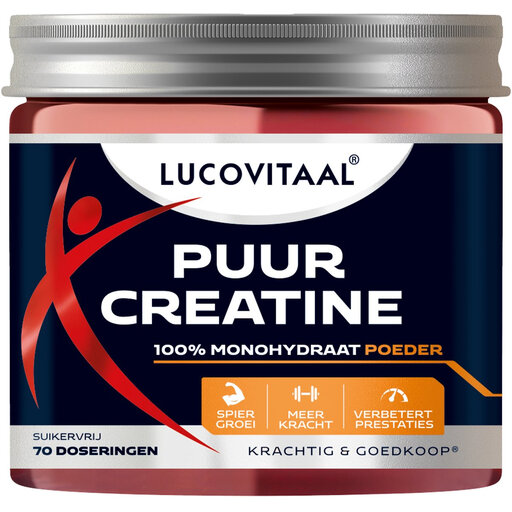
Why this fits the profile: An unflavoured powder with 100% creatine monohydrate is straightforward when you want to start without extra ingredients.
The formula is short and clear, so you’re not paying for a long blend with dosages that are hard to compare.
210 grams of powder, vegan according to the product information and sugar-free.
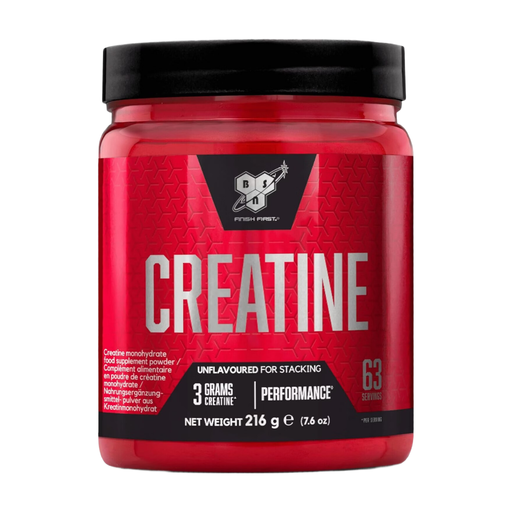
Why this fits the profile: The unflavoured formula is designed for athletes who want a neutral product to combine with their existing drink or shake.
The product information states micronised creatine monohydrate with no fillers or added flavour.
216 grams, 63 servings and 3.5 grams per serving according to the product description.
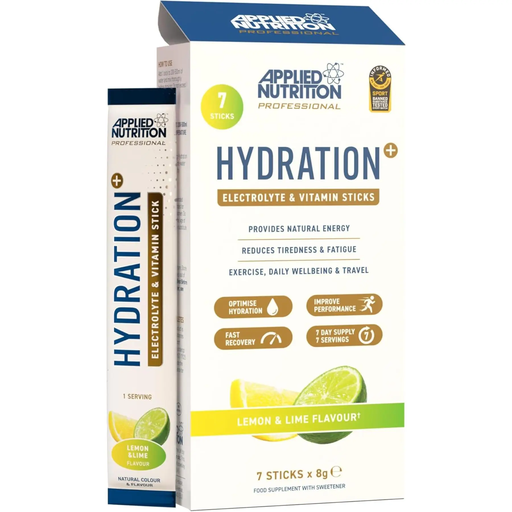
Why this fits the profile: Individual sticks suit runners, crossfitters and travellers who want to dose an electrolyte drink easily.
The amounts of electrolytes and vitamins are listed per stick, making dosing simpler than with an unclear scoop.
Approximately 1,190 mg of electrolytes per stick, with seven added vitamins and a vegan claim according to the product information.
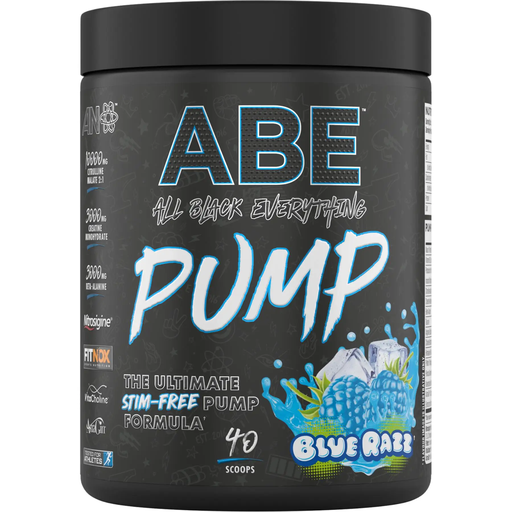
Why this fits the profile: This caffeine-free pre-workout suits those who train later or want to avoid stimulants around their workout.
The product name and description make it clear this is a formula without caffeine; check the current packaging before use.
Contains, according to the product information, citrulline malate, beta-alanine, creatine and taurine; maximum two scoops per day.
We’ve put together a full, up-to-date list of products that fully meet these strict selection criteria and comply with current European safety regulations.
The product information for creatine products usually gives a daily dose, but no universal end date for use. Follow the label and assess whether the product fits your diet and training routine. If in doubt, seek advice from a doctor or pharmacist.
Not necessarily. Capsules are easy to dose and take on the go, while powder often uses less packaging and offers more flexibility. Body & Fit Creatine Capsules contains, according to the product information, 750 mg of creatine monohydrate per capsule and four capsules per daily serving. Compare the price per daily amount above all.
Not always. For short or light workouts, water and normal food may be sufficient. During prolonged exercise, hot weather or heavy sweating, an electrolyte supplement can be more practical. Look at the amount of sodium and other minerals per serving and follow the usage instructions on the label.
