
Vandaag of morgen in huis

Kwaliteit gegarandeerd

Welkomstaanbiedingen ontgrendelen: GRATIS bezorging | Tot 80% korting | Gratis 30 dagen JoyPlus-proefperiode
Download de app
Sports supplements can be useful if you want to take in extra protein, creatine, caffeine or minerals each day. However, the range can often feel confusing. Eye-catching packaging, a long ingredients list or promises of rapid muscle growth do not automatically mean that a product is right for your goal.
The most common purchasing mistakes:
With whey protein and other protein powder, the protein content per scoop matters more than just the name on the front. Products in the range, for example, provide approximately 21 to 27.2 grams of protein per 30-gram serving. Also pay attention to sugar, fat and total calories.
A whey blend may consist of whey isolate, whey concentrate and hydrolysed whey. Beef protein can be an alternative for people who do not want to use dairy protein. Collagen powder has a different profile again: it is a source of collagen peptides and should not automatically be viewed as a replacement for whey.
Under an authorised European health claim, protein contributes to the growth and maintenance of muscle mass. This makes the protein content measurable; it does not mean that a supplement causes muscle growth on its own. Training, diet and recovery remain key factors.
With creatine monohydrate, look at the amount of creatine itself, not just the weight of the packaging. The range includes varieties with 3 grams or 3.5 grams of creatine per daily serving. According to the product information, Lucovitaal Pure Creatine Monohydrate consists of 100% creatine monohydrate and recommends 3,000 mg per day.
The authorised European claim for creatine applies to a daily intake of 3 grams of creatine: creatine contributes to an increase in physical performance during successive bursts of short, high-intensity exercise. Never exceed the dosage stated on the label.
With pre-workout, caffeine and serving size are particularly important. C4 Original Pre-Workout contains 150 mg of caffeine per recommended serving of one scoop. Some other formulas may contain a similar amount, while the composition can vary by flavour or pack size. Count your daily caffeine intake from all sources and do not use caffeinated products shortly before going to bed.

Why it suits this profile: The compact size is practical if you want to try a flavour and whey blend before buying a large pack.
The product information states approximately 24 g of protein per serving of around 30 g, allowing you to assess the protein per serving directly.
300 g pack, approximately 24 g of protein per serving and instantised powder that can be mixed with water or milk.
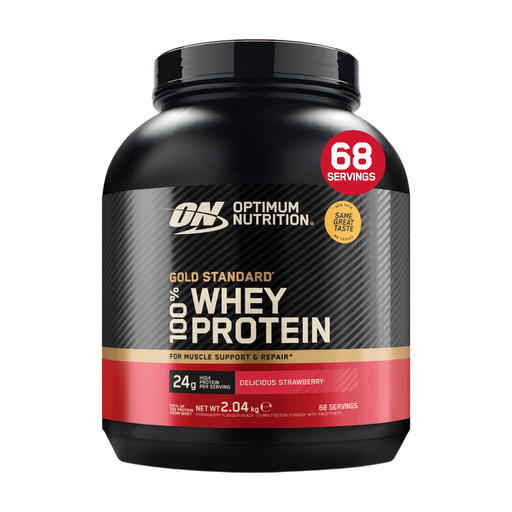
Why it suits this profile: The large pack is well suited to adults who train regularly and want to supplement their protein intake consistently.
The nutritional information states 25 g of protein per 30 g serving; compare this with the price per serving rather than just the bag weight.
2.04 kg contents, approximately 25 g of protein per serving and a blend of whey isolate, concentrate and hydrolysed whey.
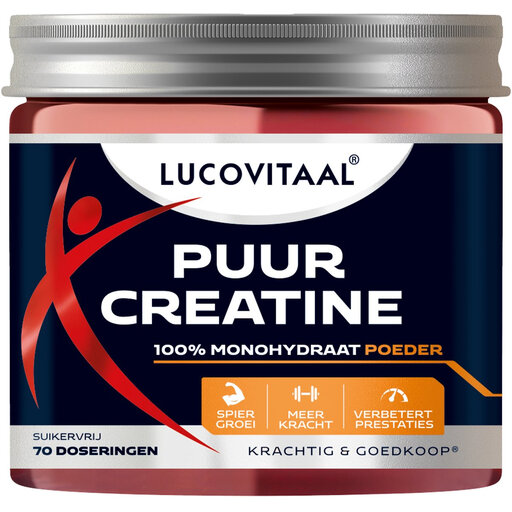
Why it suits this profile: A straightforward choice for strength athletes who do not need a broad pre-workout formula and want to control the creatine dosage themselves.
The ingredients list states 100% creatine monohydrate. This means you are not paying for a long list of additional substances you may not be looking for.
210 g contents, vegan according to the product information and a recommended daily intake of 3,000 mg.
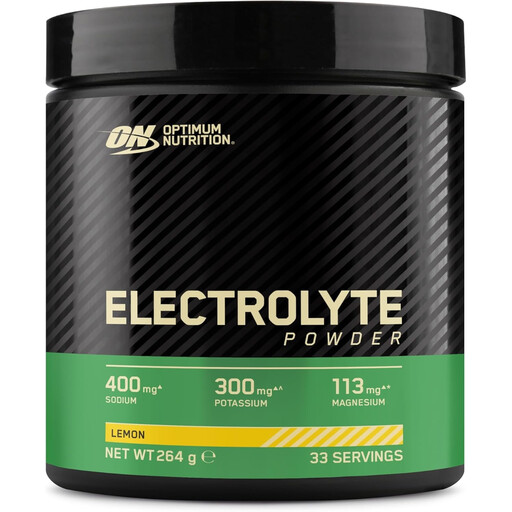
Why it suits this profile: The serving format and mineral values are practical for long training sessions, cycling or outdoor sports.
The amounts of sodium, potassium and magnesium are listed per serving. This allows you to compare the formula without relying solely on terms such as ‘hydration’.
33 servings, 400 mg of sodium, 300 mg of potassium and 113 mg of magnesium per serving according to the product information.
We have put together a complete, up-to-date list of products that fully meet these strict selection criteria and the applicable European safety regulations.
Start by looking at your total protein intake from food. If that does not meet your needs, whey protein or another protein source may be practical. Creatine monohydrate is a separate option for short, high-intensity efforts. A mass gainer is mainly relevant when you deliberately want to add extra calories and carbohydrates.
Pre-workout is usually mixed with water 20 to 30 minutes before training. First check the caffeine content and your personal sensitivity. Use the recommended serving and do not combine it thoughtlessly with coffee or energy drinks.
Follow the best-before date on the packaging and store the powder in a cool, dry place with the container tightly closed. Moisture can cause clumping, particularly with pre-workout. This does not automatically mean that the product is unusable, but always check its smell, colour, texture and label. If you have allergies or intolerances, check the current ingredients list before use.
