
Vandaag of morgen in huis

Kwaliteit gegarandeerd

Welkomstaanbiedingen ontgrendelen: GRATIS bezorging | Tot 80% korting | Gratis 30 dagen JoyPlus-proefperiode
Download de app
Anyone buying sports supplements will soon come across terms such as muscle growth, recovery, explosive strength and maximum performance. However, eye-catching packaging says little about whether a product is right for your training. The relevant questions are more specific: how much active ingredient do you get per serving, which ingredients do you want to avoid, and does the dosage fit your daily routine?
This buying guide helps adult athletes, fitness enthusiasts and strength trainers compare creatine, whey protein, pre-workout, amino acids and electrolytes objectively.
A product containing numerous amino acids, vitamins and plant extracts may look appealing, but first check the amount per serving. Small quantities of multiple ingredients make comparisons difficult. That is why you should look at the table showing active ingredients per daily serving, rather than just the front of the packaging.
The difference is clear with creatine: one product may combine creatine with magnesium, B vitamins and electrolytes, while another contains only creatine monohydrate. The right choice depends on your goals and preferences, not on the number of ingredients.
Always compare the number of servings and the recommended dosage. A bag weighing several kilos may contain just 16 servings if each serving weighs hundreds of grams. With whey protein, a 780- or 930-gram pack is easier to assess by looking at grams of protein per shake and the number of servings.
Flavourings, sweeteners, sugar, fat and caffeine may also vary between different variants. So check the label for the exact flavour and size you want to buy.
Pre-workout products and some coffee-flavoured protein powders may contain caffeine. According to the product information, C4 Pre-Workout contains 150 mg of caffeine per recommended serving. Optimum Nutrition Essential Amin.O. Energy contains 100 mg per serving. Applied Nutrition Critical Whey Caramel Latte also lists 100 mg of caffeine per shake.
Remember to include coffee, tea, energy drinks and other supplements in your total. Caffeine-free pre-workout is a practical option for evening training or if you want to avoid stimulating ingredients.
Creatine monohydrate is easy to compare: check that the product actually contains 100% creatine monohydrate and how much creatine you take each day. The supplied product information lists a daily amount of 3,000 mg of creatine for several products.
Capsules and gummies are convenient when you are out and about, while powder offers greater flexibility in dosage. The authorised EU claim states that creatine increases physical performance during repeated short-term, high-intensity exercise when taken daily at an intake of 3 grams of creatine. This is not a reason to exceed the recommended dosage.
With whey protein, protein per serving is the first thing to check. According to the product information, Optimum Nutrition Gold Standard Whey provides around 24 grams of protein per 30- to 32-gram serving. The Isolate variant lists 25 grams of protein per 31-gram serving, with less than 1 gram of carbohydrates and less than 0.5 grams of fat.
Also pay attention to:
According to the authorised EU claim, protein contributes to the growth and maintenance of muscle mass as part of a varied diet and healthy lifestyle. BCAAs occur naturally in whey, so a separate BCAA product is not automatically necessary if you already get enough protein.
When comparing pre-workout products, focus mainly on caffeine per serving, the recommended time of use and ingredients such as citrulline, beta-alanine and creatine. Beta-alanine may cause a temporary tingling sensation in some people. When trying a new product, do not start by taking more than the stated serving.
For fluid and mineral intake, look at the sodium, potassium, magnesium and sugar content per sachet or serving. According to the product information, Lucovitaal Electrolytes Post Workout contains, among other things, 250 mg of sodium, 150 mg of magnesium, 50 mg of potassium and 4 grams of sugar per serving. This is worth considering in relation to your training duration, sweat loss and daily diet.
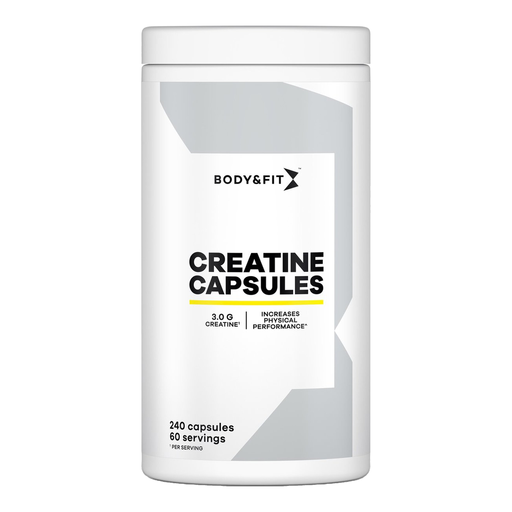
Why it suits this profile: According to the product information, four capsules a day provide 3,000 mg of creatine, without the need to mix powder.
The amount of creatine per capsule and per day is clearly stated, so you do not have to rely solely on the capsule count.
100% creatine monohydrate according to the product description; 240 capsules that are easy to take with you.

Why it suits this profile: For athletes who want to compare a high protein content per shake with a large pack size.
The product information states 25 grams of protein per serving, along with specific values for sugar, fat and carbohydrates.
Whey isolate as the primary protein source; 930 grams of contents and approximately 31 servings.
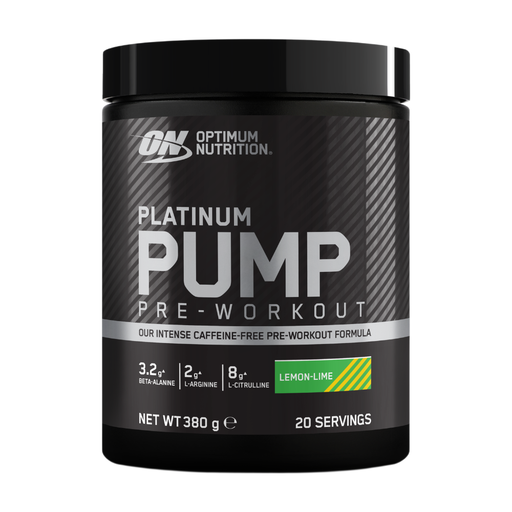
Why it suits this profile: A caffeine-free pre-workout for evening training or athletes who want to avoid stimulating ingredients.
The caffeine content is listed as zero, so you do not have to guess based on the name or flavour.
According to the product information, each serving provides 8 grams of L-citrulline, 3.2 grams of beta-alanine and 2 grams of L-arginine.
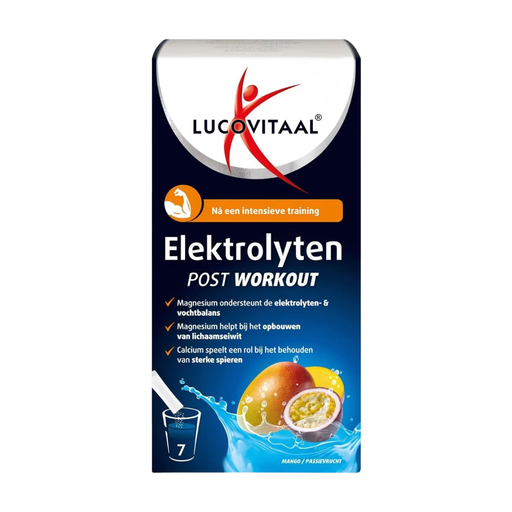
Why it suits this profile: Convenient sachets for athletes who want to replenish minerals and fluids after an intensive session.
The product information states the amounts of magnesium, sodium, potassium, calcium and sugar per serving.
Each serving contains 150 mg of magnesium, 250 mg of sodium and 50 mg of potassium; mango-passion fruit flavour.
We have put together a complete, up-to-date list of products that fully meet these strict selection criteria and the applicable European safety regulations.
Start with your diet and first work out how much protein you are lacking each day. Whey protein can then be a practical addition. Creatine monohydrate is often chosen by athletes who supplement their strength training with a daily creatine intake. Pre-workout and amino acids are no substitute for sufficient calories, protein, sleep and a suitable training programme.
Always follow the best-before date and storage instructions on the packaging. Seal powders properly and store them in a cool, dry place away from direct sunlight. Pre-workout powder may start to clump when exposed to moisture; this does not automatically indicate spoilage, but check the smell, colour, packaging and label before using it.
No. Supplements complement a varied diet and healthy lifestyle. They can be convenient when getting enough protein, creatine or fluids from ordinary food is difficult. If you take medication, have a medical condition, are pregnant or breastfeeding, it is advisable to consult a doctor or pharmacist.
