
Vandaag of morgen in huis

Kwaliteit gegarandeerd

Welkomstaanbiedingen ontgrendelen: GRATIS bezorging | Tot 80% korting | Gratis 30 dagen JoyPlus-proefperiode
Download de app
You want to support your training, but there is a huge range of sports supplements available. Creatine gummies, powders, capsules, electrolytes, amino acids and pre-workout products are often displayed alongside one another, even though they serve different purposes. Convenient packaging or a striking claim does not necessarily indicate whether a product is suitable for your training routine.
The most common purchasing mistakes come down to three pitfalls:
Start with your specific training goal. For muscle growth and strength, many athletes consider creatine. For prolonged or intense exercise, electrolytes such as sodium, potassium, calcium and magnesium may be relevant. A pre-workout product often combines caffeine with ingredients such as beta-alanine, taurine or L-citrulline. Post-workout supplements are designed for use after training, but they do not replace a normal meal containing sufficient protein and carbohydrates.
Your dietary preferences also matter. If you follow a vegan diet, check that both the active ingredient and the capsule or tablet are suitable. Sugar-free supplements may still contain sweeteners such as maltitol, sucralose or steviol glycosides.
Do not just compare the number of capsules or gummies; focus on the amount of active ingredient. Different creatine products, for example, may state 3,000 mg per daily serving. According to the product information, Lucovitaal Creatine Monohydrate Powder contains 100% creatine monohydrate. The recommended amount is 3 grams, while the preparation instructions specify 3 to 6 grams of powder.
Body & Fit Creatine Capsules contain 750 mg of creatine monohydrate per capsule. According to the product specifications, four capsules provide 3,000 mg of creatine in total. This makes the dosage easy to check, but it also means taking several capsules per day.
Check whether the product is vegan, vegetarian or gelatine-free. According to the product description, Lucovitaal Creatine Gummies are vegan and sugar-free, and use pectin as a thickening agent. Olimp Chela MZB Sport Formula, on the other hand, has a gelatine capsule.
Also pay attention to allergens and other ingredients. A product may contain none of the 14 major EU allergens, but still use sweeteners, caffeine, flavourings or anti-caking agents. If you are sensitive to caffeine, it is worth calculating your total intake from coffee, energy drinks and pre-workout products.
According to the product information for the creatine products mentioned, creatine does not need to be linked to a specific time around your training. Choose a format you can use consistently: powder, creatine capsules or creatine gummies.
Timing is different with pre-workout products. Lucovitaal Pre-Workout Powder Tropical Fruit recommends using it 15 to 30 minutes before training and contains 150 mg of caffeine per 10-gram daily serving. According to the description, the product is vegan. It is not intended for under-18s, pregnant women or women who are breastfeeding.
Electrolytes are available as capsules, powder, sachets and ready-to-drink shots. Capsules are easy to take with you and the Lucovitaal product mentioned contains no flavourings or colourings. Sachets may be more practical when you want to drink water at the same time.
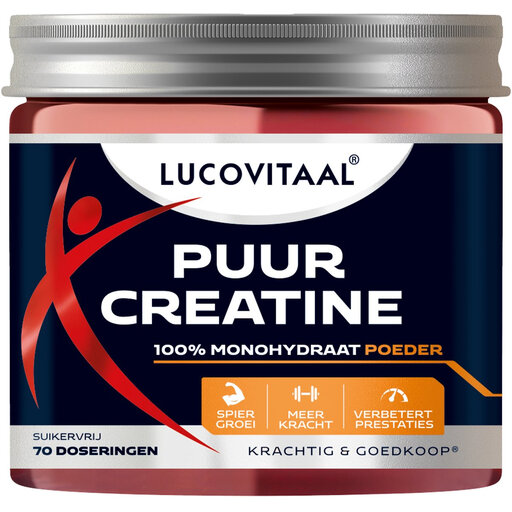
Why it suits this profile: A straightforward powdered format for athletes who want to control the ingredients and dosage themselves. According to the product information, it is vegan and sugar-free.
The ingredients list states 100% creatine monohydrate, with no flavourings or complex blend to make comparisons more difficult.
100% creatine monohydrate; 210 grams of contents; fine powder that dissolves well according to the description.
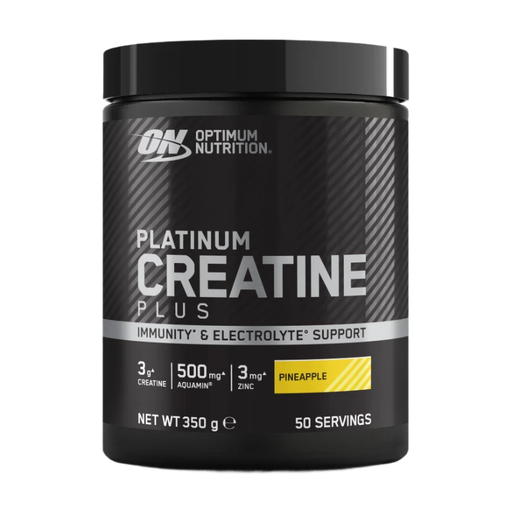
Why it suits this profile: For athletes who want to combine creatine with magnesium, zinc and B vitamins in a single drink.
The product information specifies 3 grams of creatine per serving, so you do not have to rely solely on the name of the blend.
350 grams of contents; 3 grams of creatine per serving; additional magnesium, zinc and B vitamins according to the label.
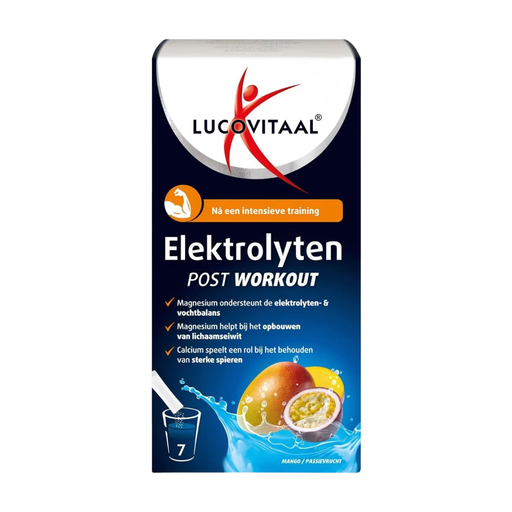
Why it suits this profile: Convenient for anyone who wants to use a sachet with water after intensive training instead of taking several capsules.
The amounts per serving are clearly stated: 250 mg sodium, 150 mg magnesium, 120 mg calcium and 50 mg potassium. It also specifies 4 grams of sugar per serving.
Individual sachets; mango and passion fruit flavour; combination of electrolytes with vitamin C, zinc and HMB according to the label.
For athletes mainly looking for energy supplements, it is important to distinguish between carbohydrates and caffeine. According to the label, Dextro Energy contains 88% dextrose and approximately 82 grams of sugar per 100 grams. This is different from a sugar-free caffeinated drink or a pre-workout product.
We have put together a complete, up-to-date list of products that fully meet these strict selection criteria and the applicable European safety regulations.
Start with one product that matches your goal, such as creatine monohydrate for strength training or electrolytes if you sweat heavily. An extensive combination of pre-workout, amino acids and post-workout supplements is not automatically necessary. First compare the dosage, ingredients and cost per serving.
The recommended duration of use depends on the product label and your personal circumstances. Follow the recommended daily amount and drink plenty of water. If you have a medical condition, take medication, are pregnant or breastfeeding, consult a doctor or pharmacist first.
Not necessarily. Look at the price per daily serving, rather than just the price of the pack. A larger tub of powder may work out cheaper than gummies or individual sachets, while capsules may offer greater convenience. Also check whether a sugar-free product contains sweeteners you would rather avoid.
