
Vandaag of morgen in huis

Kwaliteit gegarandeerd

Welkomstaanbiedingen ontgrendelen: GRATIS bezorging | Tot 80% korting | Gratis 30 dagen JoyPlus-proefperiode
Download de app
Sports supplements can be useful as an addition to your daily diet and training routine. However, many athletes pay too much for a formula that does not suit their goals. A long ingredients list does not automatically mean better results. Always check the dosage, when to take it and the warnings on the label first.
A pre-workout supplement may combine creatine, caffeine, beta-alanine, amino acids and vitamins. That sounds comprehensive, but the key thing is to check how much of each ingredient you get per serving. A product containing many substances in small quantities is not always the most practical choice.
When choosing supplements for muscle growth and strength training, pay attention to the amount of creatine or protein per serving. For hydration, the levels of sodium, magnesium, potassium and other electrolytes are more relevant than the flavour or eye-catching packaging.
Many pre-workouts contain between 100 and 200 mg of caffeine per recommended serving. You may also be getting caffeine from coffee, tea or energy drinks. This can be particularly inconvenient if you train in the evening. If you want to avoid caffeine, you can choose a caffeine-free pre-workout, such as a formula containing citrulline, beta-alanine and creatine without stimulating ingredients.
Always check the recommended dosage and the warning information relevant to your circumstances. Products containing caffeine are not suitable for children and are generally not recommended during pregnancy or breastfeeding.
A 500-gram pack may appear good value, but the number of servings determines the true cost. Compare:
For strength training and short, intensive efforts, creatine monohydrate is a popular choice. Under the authorised European nutrition claim, creatine increases physical performance during successive bursts of short, high-intensity exercise when 3 grams of creatine are consumed daily.
Do not just look for “creatine” on the front of the pack. Check whether the label states the amount of creatine per daily serving. For example, Lucovitaal Pure Creatine Monohydrate states that it contains 100% creatine monohydrate and gives a recommended daily amount of 3,000 mg. According to the product description, the powder has been micronised to 200 mesh.
A combined formula may contain additional vitamins, minerals or electrolytes. Optimum Nutrition Platinum Creatine Plus Pineapple states that it provides 3 grams of creatine per serving, as well as magnesium, zinc and B vitamins. This type of product may suit someone who wants to combine several ingredients in one drink, but compare the overall formula with what you are already taking.
With protein powder, the amount of protein per serving matters more than claims such as “premium” or “advanced”. Also check the protein source and allergens. Whey protein comes from milk. A hybrid formula may combine different protein sources.
According to the product information, Lucovitaal Protein Hybrid Pure contains whey protein concentrate and soya protein isolate in a 50/50 ratio. The stated serving of approximately 25 grams provides 22 grams of protein and contains 5.4 grams of BCAAs. Ghost Whey Fruity Cereal Milk states that it provides 25 grams of protein per 32-gram serving, with whey protein isolate, whey protein concentrate and hydrolysed whey protein isolate.
If you have a milk or soya intolerance, always check the full ingredients list. The presence of lactase does not automatically mean that a whey product is suitable for everyone with lactose intolerance.
A pre-workout is usually taken 20 to 30 minutes before training. Pay attention to the serving size, which can range from one scoop to two or three scoops. One formula may contain 100 mg of caffeine, while another contains 150, 175 or 200 mg.
An amino acid supplement or BCAA powder provides leucine, isoleucine and valine. Optimum Nutrition Gold Standard BCAA Powder states that it provides 5 grams of BCAAs per serving in a 2:1:1 ratio, plus magnesium, vitamin C, zinc and electrolytes. A glutamine powder, such as Optimum Nutrition Glutamine Powder, provides 5 grams of pure L-glutamine per serving according to the product description and is unsweetened.
An electrolyte supplement can be practical during long or intensive training sessions. Check the amounts of sodium, potassium, calcium and magnesium. According to the label, Lucovitaal Electrolytes Pre Performance contains, among other ingredients, 250 mg of sodium, 120 mg of calcium, 56 mg of magnesium and 50 mg of caffeine per sachet. It is therefore not a caffeine-free option.
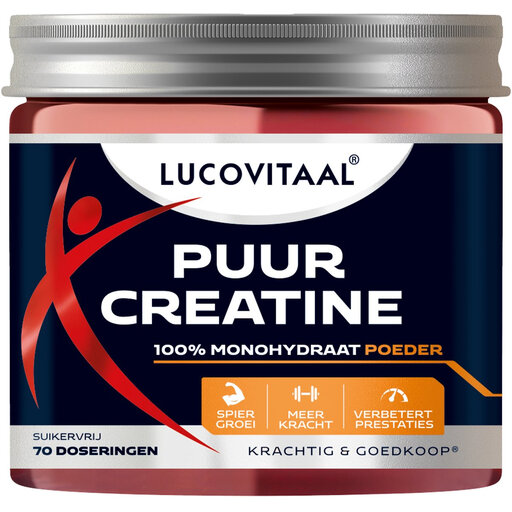
Why it suits this profile: A straightforward formula for anyone who wants to start strength training with one clearly defined ingredient.
The ingredients list states 100% creatine monohydrate, with no unnecessary blend or caffeine.
Recommended daily intake of 3,000 mg, vegan, sugar-free and finely milled powder.
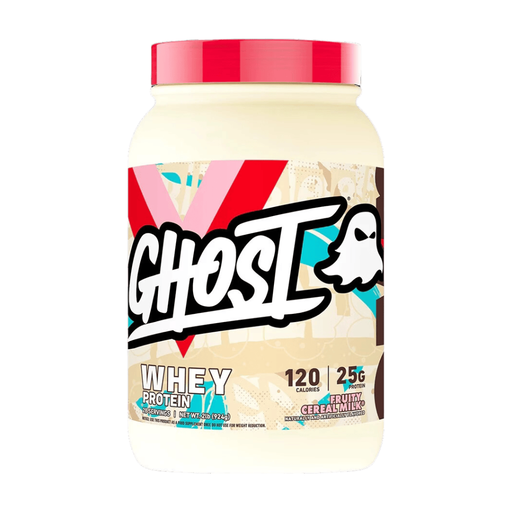
Why it suits this profile: Suitable for athletes looking for a clearly stated protein serving and several forms of whey in one powder.
The serving size and protein content are clearly stated: 25 grams of protein per 32-gram serving.
907 grams of product, approximately 28 servings and a combination of isolate, concentrate and hydrolysed isolate.
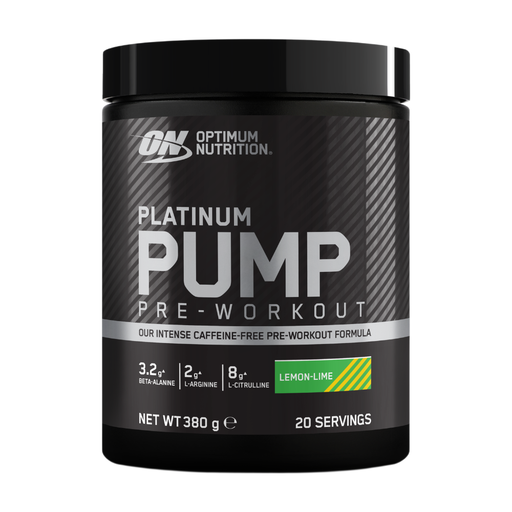
Why it suits this profile: An option for adults who train in the evening or want to avoid caffeine around their workout.
The product information explicitly states that the formula contains no caffeine. You therefore do not need to add caffeine from this tub to your daily total.
8 grams of L-citrulline, 3.2 grams of beta-alanine and 2 grams of L-arginine per serving according to the label.
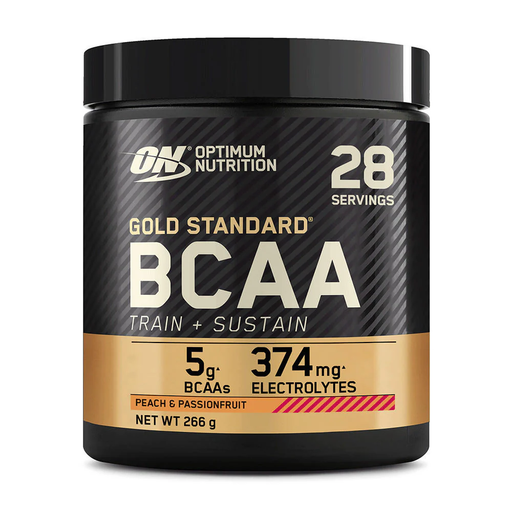
Why it suits this profile: Handy for athletes who want a drink powder with BCAAs, vitamins and electrolytes to use before, during or after training.
The ratio and dosage are clearly stated: 5 grams of BCAAs per serving in a 2:1:1 ratio.
374 mg of electrolytes according to the product information, plus vitamin C, magnesium and zinc.
We have put together a complete, up-to-date list of products that fully meet these strict selection criteria and the applicable European safety regulations.
Use sports supplements as an addition, not as a replacement for a varied diet and healthy lifestyle. Keep the following points in mind:
This depends on the best-before date, storage conditions and packaging. Close the tub immediately after use, keep the powder dry and always follow the date and batch information on the packaging. Clumping caused by moisture does not automatically mean that a product is unusable, but check its smell, colour and label before using it.
Calculate the monthly cost based on the price per serving. Divide the net contents by the recommended amount per serving, then multiply the number of daily servings by approximately thirty days. A larger pack is only better value if you use the contents within the shelf life and the dosage suits your training routine.
Not necessarily. Creatine, protein powder and pre-workout products have different roles within a sports nutrition routine. Start by choosing according to your specific goal: an addition to your protein intake, a creatine product for strength training, caffeine for a training session or a caffeine-free formula for evening use.
