
Vandaag of morgen in huis

Kwaliteit gegarandeerd

Welkomstaanbiedingen ontgrendelen: GRATIS bezorging | Tot 80% korting | Gratis 30 dagen JoyPlus-proefperiode
Download de app
Anyone buying sports supplements will soon come across bold claims about muscle growth, muscle recovery, focus and performance. Yet eye-catching packaging says little about whether a product is suitable for your routine. The real differences usually lie in the dosage, ingredients list, allergens and cost per use.
This guide helps adult athletes, fitness enthusiasts, strength trainers and runners compare products effectively. You will also find practical options for whey protein, creatine monohydrate, collagen powder, pre-workout and other nutritional supplements for athletes.
Always check the net contents, serving size and number of servings. A product may come in a large tub, but a generous recommended serving can still mean it runs out quickly. So do not just compare the price per pack; also compare the price per serving and per gram of protein or creatine.
With protein powder, it is also important to check how much protein a serving actually contains. A 30-gram scoop with 21 grams of protein is different from a serving of the same size containing 24 or 25 grams of protein.
Terms such as ‘complex’, ‘matrix’ or ‘blend’ may sound appealing, but they do not always tell you how much of each ingredient you are getting. Ideally, choose a product with a clear ingredients list and nutrition table.
With creatine, for example, a simple formulation is easy to understand: 100% creatine monohydrate. With pre-workout, it is particularly important to check the quantities of caffeine, beta-alanine, creatine and other substances separately.
A pre-workout may contain caffeine, but a coffee-flavoured protein product may also provide caffeine. If you combine this with coffee or an energy drink, your total intake can quickly add up. Check the label and take your personal sensitivity into account.
Also watch out for allergens. Whey protein generally contains milk, and some varieties contain soya. Products may also be made in a factory that processes gluten, eggs, peanuts or nuts. If you have allergies, always check the packaging of the variant delivered.
When comparing protein shakes, check at least the following:
According to the product information, Optimum Nutrition Gold Standard 100% Whey provides approximately 24 grams of protein per serving of around 30 grams. The blend consists of whey isolate, whey concentrate and hydrolysed whey. According to the product specifications, Applied Nutrition Critical Whey provides 21 grams of protein per 30-gram serving. These figures can be checked in the nutrition table, but may vary by flavour.
Pay attention to the form and the amount per serving. Creatine monohydrate is a widely used, easily recognisable variant. Check:
According to the product description, Lucovitaal Pure Creatine Monohydrate contains 100% creatine monohydrate and states a recommended daily intake of 3,000 mg. According to the specifications, BSN DNA Creatine contains 3.5 grams per serving and approximately 63 servings per pack. The permitted EU claim states that creatine increases physical performance during successive bursts of short-term, high-intensity exercise when taken at a daily intake of 3 grams of creatine. Use the product according to the label and do not exceed the recommended amount.
First decide whether you want to use caffeine. A caffeine-free pre-workout may be suitable for evening training or if you want to avoid caffeine around your workout. According to the product information provided, Applied Nutrition ABE Pump Pre Workout Stim Free contains, among other ingredients, citrulline malate, beta-alanine, creatine and taurine, with no added caffeine.
According to the label, C4 Pre-Workout contains 150 mg of caffeine per recommended serving. Also check the serving size: some products use one scoop, while others use two. When trying a new product, do not automatically start with the maximum amount. Pay attention to warnings relating to age, pregnancy, breastfeeding, medication use and caffeine sensitivity.
Collagen is not the same as whey protein. It is a different protein source and is intended for a different supplementation purpose. Compare:
According to the product specifications, Vital Proteins Collagen Peptides Natural contains 20 grams of bovine collagen peptides per serving and 18 grams of protein. The powder is unsweetened and, according to the label, can be mixed with hot or cold drinks, smoothies, shakes or food. The pack contains 14 servings.
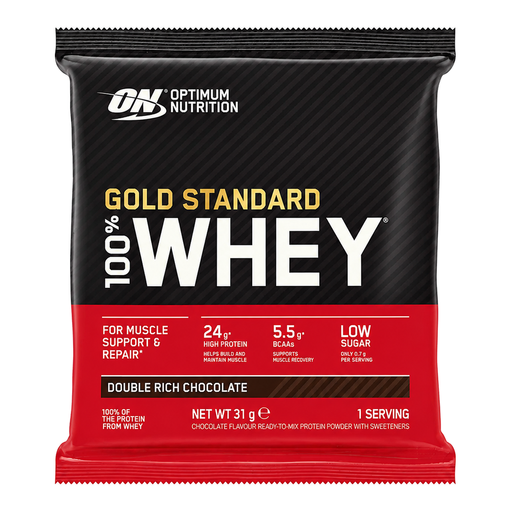
Why it suits this profile: The 30-gram sachet is a practical way to try a flavour and see how it fits into your routine without immediately choosing a large pack.
The serving size, nutritional values and ingredients are clearly stated. This allows you to compare protein per serving rather than simply judging the packaging.
Approximately 24 grams of protein per serving; blend containing whey isolate, whey concentrate and hydrolysed whey.
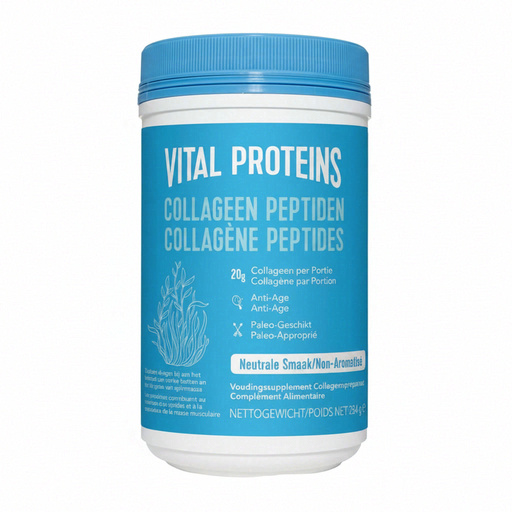
Why it suits this profile: The single-ingredient formula is ideal for shoppers looking for a straightforward, unflavoured collagen powder.
The amount of collagen peptides is stated per serving. This makes the distinction between collagen and general protein clear.
20 grams of bovine collagen peptides per serving; unsweetened and suitable for hot and cold drinks.
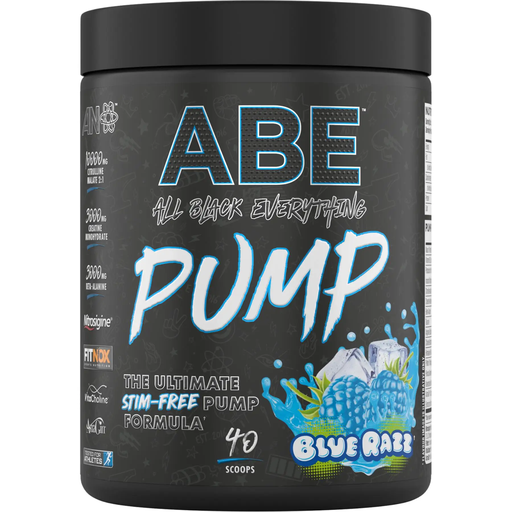
Why it suits this profile: This caffeine-free pre-workout is intended for adults who train later in the day or want to avoid caffeine around their workout.
The product description explicitly states that this is a stim-free formula. This makes the choice clearer than with a blend where the caffeine content is not immediately obvious.
Contains, among other ingredients, citrulline malate, beta-alanine, creatine and taurine; maximum 25 grams per day according to the product information.
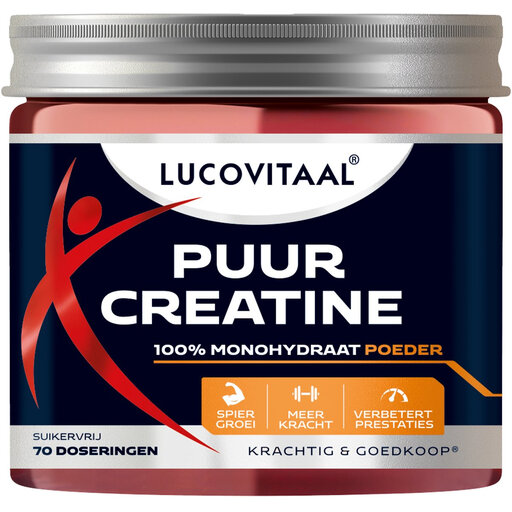
Why it suits this profile: The formula is designed for athletes who want to add unflavoured creatine, without extra ingredients, to their daily routine.
The ingredients list contains only creatine monohydrate. This means you do not have to decipher a complex blend to find the active amount.
100% creatine monohydrate; vegan and sugar-free according to the product information.
We have put together a complete, up-to-date list of products that fully meet these strict selection criteria and the applicable European safety requirements.
A protein shake can be used after training or at another time of day when you want to add extra protein. The precise timing is less important than your overall diet. Follow the serving size on the label and do not use a shake as a substitute for a varied diet.
The shelf life is stated on the packaging. Store creatine as advised, usually tightly sealed, in a dry place and away from direct sunlight. Moisture can cause powder to clump. If in doubt, check the smell, colour and product information, and do not use a supplement that is past its best-before date.
This depends on the price per serving, the dosage and the number of days you use the product. Calculate the cost by dividing the pack price by the number of servings. For whey protein, also compare the price per gram of protein, and for creatine, the price per gram of creatine. This helps prevent a large pack from seeming good value simply because it has a lower price per tub.
