
Vandaag of morgen in huis

Kwaliteit gegarandeerd

Welkomstaanbiedingen ontgrendelen: GRATIS bezorging | Tot 80% korting | Gratis 30 dagen JoyPlus-proefperiode
Download de app
Sports supplements can be useful if you want to top up your daily protein or amino acid intake, or support your hydration as an athlete. However, a higher price doesn’t automatically mean a better formula. Eye-catching packaging, a long ingredients list or claims about rapid recovery don’t tell you much without clear information on serving size, nutritional values and allergens.
This guide helps you compare sports supplements using verifiable product specifications. That way, you can make a more informed choice between protein powder, whey protein, casein protein, BCAA powder and a caffeine-free pre-workout.
A product containing lots of ingredients isn’t necessarily right for your goal. First, check how much of the main ingredient is in each serving. For a protein supplement, the protein content per scoop matters more than a long list of added vitamins or amino acids.
Also check the difference between a 30 g serving and the total contents of the pack. A large tub may contain relatively few servings if the recommended serving size is high.
According to brands’ own product information, ingredients may contribute to certain functions, but that doesn’t mean everyone will experience the same results. For example, the authorised claim that protein contributes to the growth and maintenance of muscle mass is not the same as a promise that a supplement will build muscle on its own.
Supplements are no substitute for a varied diet. Always check the current packaging too, as recipes, allergens and usage advice may change.
Whey protein and casein protein are usually milk-based. Some formulas also contain soya as an emulsifier. Marine collagen contains fish, so it isn’t suitable if you have a fish allergy. Before ordering, also check for sweeteners, sugar, caffeine and possible traces of other allergens.
Don’t just compare the price per pack. Look at the price per serving and the amount of the relevant nutrient per serving.
A small pouch can be handy for trying a flavour or taking with you. A pack of 2 kg or more may be more practical for daily use, but only if you already know you like the flavour and the product’s shelf life suits your period of use.
Examples from the range:
A protein shake can be used after training or as a protein-rich snack. Electrolytes may be part of a hydration strategy during longer periods of exercise, but the product shouldn’t automatically be seen as a substitute for water or a complete meal.
If you train late in the day, you could consider a caffeine-free pre-workout. Check whether the formula contains creatine, beta-alanine, citrulline or other ingredients, and follow the maximum daily serving. When it comes to supplements for muscle recovery, your overall diet is what matters most; taking a product at a particular time won’t determine the result on its own.
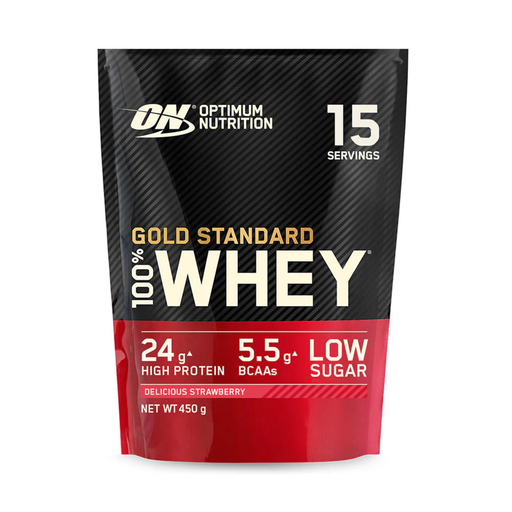
Why it suits this profile: With around 15 servings, this size is manageable for anyone trying whey protein for the first time who doesn’t want to buy a large supply.
The product information states that each serving of around 30 g provides approximately 24 g of protein. This makes it easy to compare the protein content without focusing only on the tub size.
Whey blend with isolate, concentrate and hydrolysed whey protein; low sugar content according to the label.
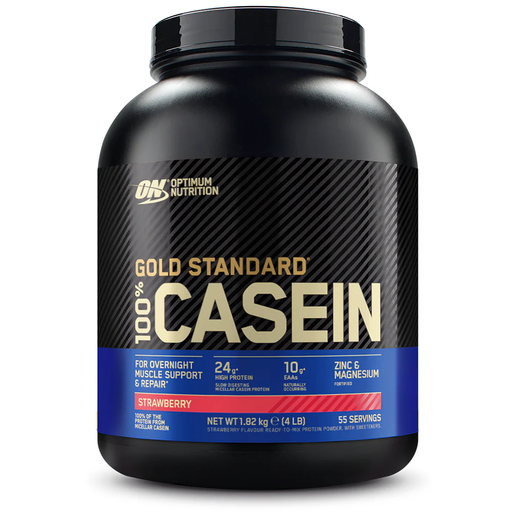
Why it suits this profile: The large pack and micellar casein suit active users looking for a slow-digesting protein source between meals or before bed.
The product description states that each serving contains 24 g of casein and gives a specific mixing recommendation of 300–360 ml of cold water.
24 g of slow-digesting protein per serving; 1.816 g pack for regular use.
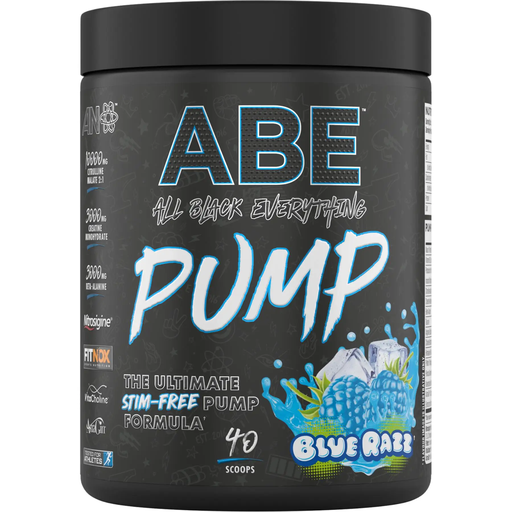
Why it suits this profile: This formula is intended for adults who want to use a caffeine-free pre-workout, for example when training in the evening.
The ingredients and serving size are clearly stated. A 25 g serving of powder contains 3 g of creatine; the maximum recommended amount is 25 g per day.
Caffeine-free formula with citrulline malate, beta-alanine, taurine and creatine; suitable for vegans according to the product information.
We’ve put together a complete, up-to-date list of products that meet these strict selection criteria and current European safety regulations.
Start with one clear goal. If you mainly want to top up your daily protein intake, whey protein is an obvious choice. Choose a smaller pack, check the protein content per serving and look out for milk and soya allergens. BCAA powder or pre-workout isn’t necessary if your only goal is to get extra protein.
Follow the best-before date on the packaging and store the powder in a cool, dry place with the container tightly closed. Use a dry scoop and check the smell, colour and texture after opening. A large pack only makes financial sense if you use it within its recommended shelf life.
Not necessarily. Getting enough sleep, energy and protein-rich food, and following a suitable training plan, are the foundations. According to the product information, a protein supplement can help you top up your daily protein intake conveniently. Use supplements according to the label and speak to a doctor or another healthcare professional if you take medication, are pregnant or breastfeeding, or have a medical condition.
