
Vandaag of morgen in huis

Kwaliteit gegarandeerd

Welkomstaanbiedingen ontgrendelen: GRATIS bezorging | Tot 80% korting | Gratis 30 dagen JoyPlus-proefperiode
Download de app
When you shop for sports supplements, you’ll soon come across big promises about muscle growth, energy and fast recovery. But eye-catching packaging doesn’t guarantee that a product is right for your training goals. Start by checking the dosage, ingredients, allergens and cost per serving.
This guide helps adult athletes, fitness enthusiasts and strength trainers compare products with confidence. That way, you can avoid paying for ingredients you don’t need or buying a powder that doesn’t fit into your daily routine.
A pre-workout with lots of ingredients might look appealing, but focus on the amount per serving. A product may contain creatine, amino acids and vitamins without providing a meaningful dose of each ingredient. So compare more than just the number of ingredients: check the nutrition table too.
With whey protein and other protein powders, it’s important to distinguish between the serving size and the actual protein content. A 30 g scoop containing 24 g of protein has a different ratio from a 40 g scoop containing 20 g of protein. Also check for milk, soya, gluten and sweeteners if you have any allergies or intolerances.
A larger pack isn’t automatically better value. A weight gainer, for example, may provide hundreds of calories and plenty of carbohydrates per serving, but it can also run out quickly. Work out the price per recommended serving and check the number of servings. A larger pack may be practical for everyday use, while sachets can be more convenient for occasional use.
For supplements to support muscle growth, your total daily protein intake matters more than when you have a shake. According to the product information, a whey protein such as Optimum Nutrition Gold Standard provides around 24 g of protein per serving. The formula contains whey isolate, whey concentrate and hydrolysed whey proteins.
When checking protein powder, look at:
A sachet can be handy for work, travel or training away from home. A 780 g tub is a better choice if you have a shake regularly. Under an approved EU claim, protein contributes to the growth and maintenance of muscle mass as part of a varied diet and active lifestyle.
With creatine powder, the amount of creatine you take each day is an important point of comparison. According to the product information, Lucovitaal Pure Creatine Monohydrate contains 100% creatine monohydrate and recommends 3,000 mg a day. Optimum Nutrition Platinum Creatine Plus provides 3 g of creatine per serving, combined with ingredients including magnesium, zinc and B vitamins.
Check the following:
The approved EU claim states that creatine increases physical performance during repeated short bursts of high-intensity exercise, when taken at a daily intake of 3 g. Always follow the dosage instructions on the label.
A pre-workout may contain caffeine, but that won’t suit every athlete. According to the product information, C4 Pre-Workout contains 150 mg of caffeine per recommended serving. Optimum Nutrition Essential Amin.O. Energy contains 100 mg of caffeine per serving. Remember to take coffee, tea, energy drinks and other supplements into account.
If you train in the evening or want to avoid caffeine, you could consider a caffeine-free pre-workout. According to the product specifications, Optimum Nutrition Platinum Pump Pre-Workout contains no caffeine and provides 8 g of L-citrulline and 3.2 g of beta-alanine per serving, among other ingredients.
An electrolyte supplement can be practical for long or intense training sessions. Each serving of Optimum Nutrition Electrolyte Supplement Powder provides 400 mg of sodium, 300 mg of potassium and 113 mg of magnesium. Check that you actually want to top up these minerals, and compare the sugar content.
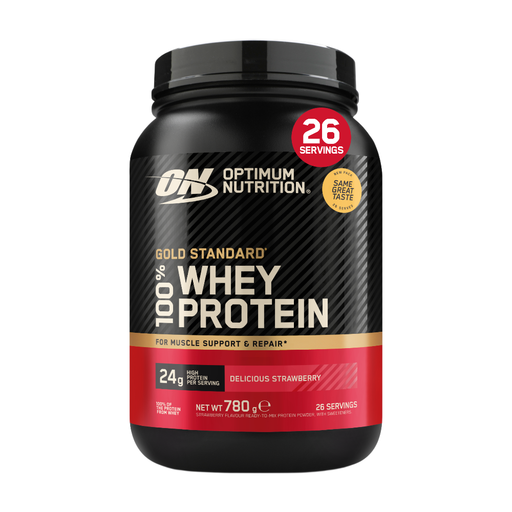
Why it suits this profile: A larger pack with around 26 servings is practical if you use protein powder regularly.
The product information lists 24 g of protein per serving, as well as the serving size and nutritional values.
24 g of protein and 1.2 g of sugar per serving, with a whey blend of isolate and concentrate.
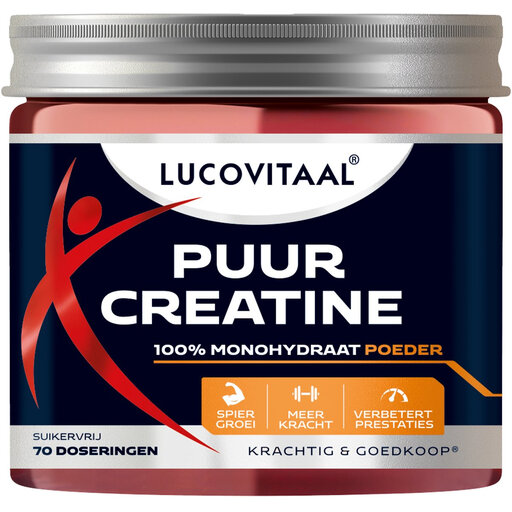
Why it suits this profile: A good choice if you’re looking for a short ingredients list and a creatine product that’s easy to measure.
The ingredients list contains creatine monohydrate only, with no unnecessary flavourings or complex blend.
100% creatine monohydrate, 210 g pack, vegan and sugar-free according to the product information.
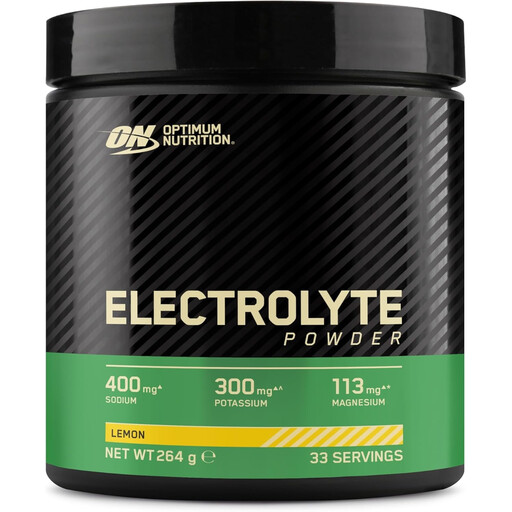
Why it suits this profile: Handy for athletes who want a practical way to top up their mineral intake during or after intense exercise.
The amounts of sodium, potassium and magnesium are listed per serving, making it easy to compare the formula.
33 servings, with 400 mg of sodium, 300 mg of potassium and 113 mg of magnesium per serving; no added sugar according to the product information.
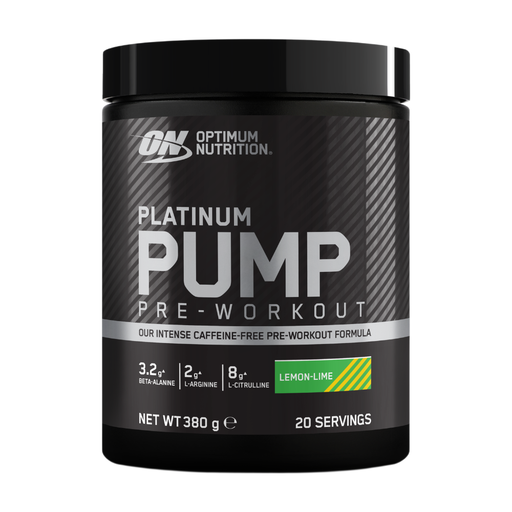
Why it suits this profile: A caffeine-free pre-workout for adults who train later in the day or want to avoid stimulants.
The product description clearly states that the formula contains no caffeine and gives the dosage per serving.
8 g of L-citrulline, 3.2 g of beta-alanine and around 20 servings per pack.
We’ve put together a complete, up-to-date list of products that meet these strict selection criteria and current European safety regulations.
Start by looking at your total protein intake. Whey protein or another protein powder can be useful if you don’t get enough protein from your usual diet. Creatine may be suitable for repeated, short bursts of high-intensity exercise. Choose separate products if you want to control the dosage yourself.
Follow the use-by date and storage instructions on the packaging. Seal powders tightly and store them in a cool, dry place away from direct sunlight. Moisture can cause pre-workout, creatine and protein powder to clump. If in doubt, check the smell, colour, texture and label before using the product.
Not necessarily. A weight gainer can be useful if you need lots of extra calories and carbohydrates, but a serving can be very large. For example, Optimum Nutrition Serious Mass lists 50 g of protein, 250 g of carbohydrates and around 1,269–1,292 kcal per serving. Compare this with your actual energy needs and consider starting with a smaller serving.
Sports supplements are an addition to sports nutrition, not a replacement for a varied diet. Always check the current label, allergens and recommended dosage before buying. If you take medication, have a medical condition, are pregnant or breastfeeding, it’s wise to speak to a doctor or pharmacist.
