
Vandaag of morgen in huis

Kwaliteit gegarandeerd

Welkomstaanbiedingen ontgrendelen: GRATIS bezorging | Tot 80% korting | Gratis 30 dagen JoyPlus-proefperiode
Download de app
Sports supplements can be useful when you want to add extra protein, calories, creatine or electrolytes to your daily diet. However, comparing them isn’t always straightforward. Eye-catching packaging tells you little about the actual dosage, ingredients or suitability for your training goals.
These three pitfalls are a common reason why sportspeople in the Netherlands pay more than they need to:
The right choice therefore depends on your goal: supporting muscle growth, recovery after training, extra energy, hydration or simply adding something practical to your diet.
Don’t compare products by pack size or price alone. Work out the price per serving and check whether the recommended amount will fit realistically into your routine.
There are different creatine dosages on the market. According to the product information, Lucovitaal Pure Creatine Monohydrate Powder contains 100% creatine monohydrate and recommends 3 to 6 grams of powder per use. According to the label, three Lucovitaal Creatine Gummies provide 3.000 mg of creatine. Gummies are easy to take with you, but you need more individual units for each serving.
For protein powder, protein drinks and protein bars, check at least:
According to the product description, Applied Nutrition Critical Professional Whey contains 21 grams of protein per 30-gram serving and around 110 kcal. The Caramel Latte flavour of Critical Whey also contains 100 mg of caffeine per serving. That’s why it’s important to check the flavour variant carefully: products in the same range can have different ingredients.
Pre-workout products and energy drinks need extra consideration. According to the label, one recommended serving of C4 Pre-Workout Cherry Limeade contains 150 mg of caffeine. Remember to include coffee, tea, energy drinks and other food supplements in your total. According to the product information, this product is not intended for children or teenagers up to and including 17 years of age. Because of its caffeine content, it is also not recommended for pregnant or breastfeeding women.
Also make sure you check:
Under EU rules and Dutch consumer guidelines, nutrition claims must be verifiable and must not be presented in a misleading way. So read a brand’s claims about muscle growth, energy or recovery as information from that brand’s product communications, not as a personal guarantee. The legally required information on the packaging remains the authoritative source.
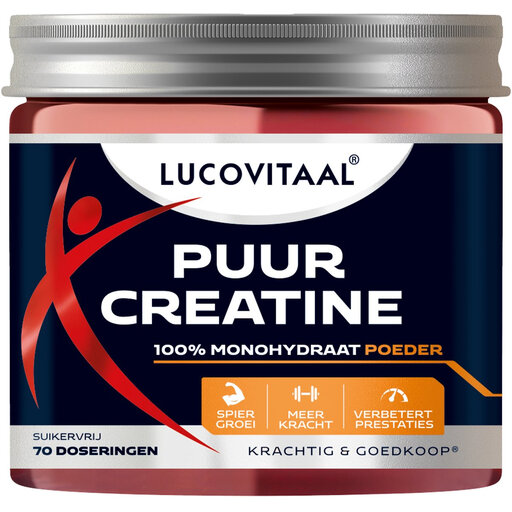
Why it suits this profile: The powder makes it easy to measure out the amount you want and mix it with water or plant-based milk.
The ingredients list states 100% creatine monohydrate, so you don’t have to work out the main ingredient from a long blend.
210 grams, vegan according to the product information, and sugar-free.
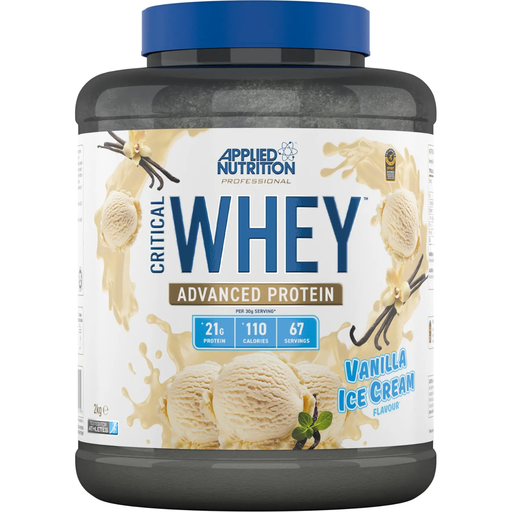
Why it suits this profile: This whey combines whey concentrate, whey isolate and hydrolysed whey for sportspeople who want to plan their daily protein intake precisely.
The product information states 21 grams of protein per 30-gram serving and 67 servings per pack, making it easier to compare with other products.
2 kg pack, 21 grams of protein per serving and around 110 kcal per serving.
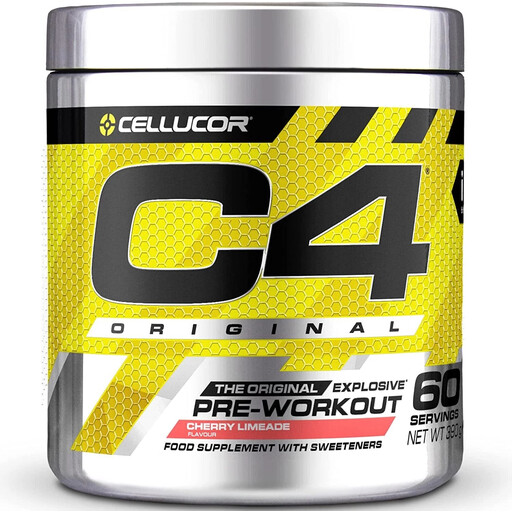
Why it suits this profile: Suitable for adults who want to plan their pre-workout routine with a known amount of caffeine.
The recommended serving contains 150 mg of caffeine, so you can factor it into your total intake from coffee, tea and energy drinks.
60 servings, with beta-alanine, creatine, L-arginine and various B vitamins.
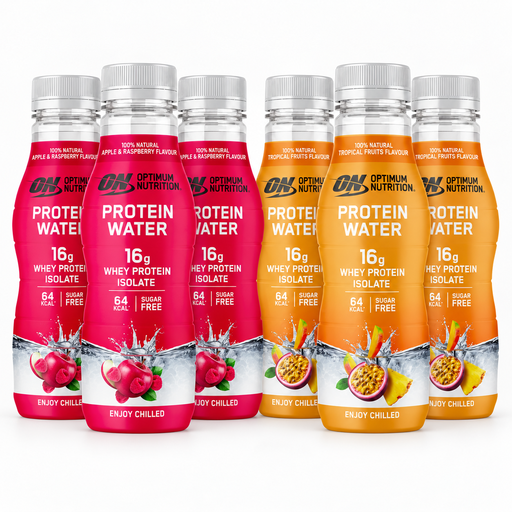
Why it suits this profile: A ready-to-drink protein drink for when you’re out and about, after exercise or on workdays when using a shaker isn’t practical.
The nutrition information states that each bottle contains 16 grams of protein, 64 kcal and 0 grams of sugar. You know what you’re drinking without having to mix it yourself.
Six 350 ml bottles in two fruity flavours. No water or shaker needed.
We’ve put together a complete, up-to-date list of products that meet these strict selection criteria and the current European safety requirements.
That depends first on your overall diet and training goals. Protein powder, a protein drink or a protein bar can be a practical way to top up your daily protein intake. Creatine is a separate option for sportspeople looking to support their routine around short, intense bursts of activity. Always check the dosage, and don’t use supplements as a substitute for a varied diet.
Follow the best-before date on the packaging and generally store powders in a cool, dry place with the container tightly closed. Moisture can cause pre-workout or creatine powder to clump. That doesn’t automatically mean the quality has been affected, but do check the smell, colour, packaging and label. Ready-to-drink protein drinks should be refrigerated after opening and used according to the product instructions.
Compare the cost per serving, not just the purchase price. A large weight gainer, for example, may provide plenty of calories and protein per serving, but the recommended serving size is also large. Protein bars and drinks cost more for the convenience. Powders are often more flexible to measure out, while ready-to-drink sports nutrition is handy when you’re out and about.
