
Vandaag of morgen in huis

Kwaliteit gegarandeerd

Welkomstaanbiedingen ontgrendelen: GRATIS bezorging | Tot 80% korting | Gratis 30 dagen JoyPlus-proefperiode
Download de app
A sports sunglasses with UV400 protection might seem straightforward to choose at first glance. However, models vary significantly in lens filter, fit, weight and intended use. A pair that feels comfortable on a bike won't necessarily be suitable for driving or running.
Pay particular attention to these three common pitfalls:
UV400 refers to protection against ultraviolet light up to approximately 400 nanometres. Check that this feature is clearly stated in the product information and that the seller provides details about applicable safety or conformity standards.
The tint of the lens is different from UV protection. A dark lens without a clear UV specification is therefore not a safe choice based on colour alone. For bright sunlight, a low VLT value, or visible light transmission, can be pleasant. A lens with a higher VLT lets more light through and is better suited to changeable weather or shaded routes.
A polarised sports sunglasses filters out some horizontal glare. This can be handy for fishing, sailing, golfing and cycling on wet roads. HD lenses generally refer to a design that promises clear vision and less distortion. Always assess such terms alongside concrete data about lens material and coatings.
An anti-reflective sunglasses can reduce reflections on or around the lens. According to the product description from Beneunder, the FD315 series features an OAR coating. The percentages mentioned are claims from the brand's product information and should not be read as a universal guarantee for every user.
A lightweight sunglasses is especially pleasant for long bike rides or a sunglasses for running. TR90 is a thermoplastic material used in various models. According to the product descriptions, it is flexible and shape-retentive; the actual fit depends on the shape of your face.
Also look out for:
An impact-resistant lens is not the same as certified eye protection for work activities. Do not use sports sunglasses for grinding, machining, welding or other activities with high impact risks.
For daily cycling in the Netherlands, a wide lens, stable fit and protection against wind are important. If you do several different sports, consider a model with interchangeable lenses. A photochromic sunglasses can adjust its tint according to the amount of UV light. According to the product information from OutdoorMaster, the stated model ranges from category 0 to category 3. In a car, the effect can be more limited because a windscreen partially blocks UV light.
For travel or daily use, a foldable sunglasses is practical. A compact model takes up less space in a bag, but the hinges do require careful handling. Glasses wearers can consider a sunglasses over glasses. Check the internal dimensions and the space around your regular frame.

Why this fits the profile: A straightforward model for cycling, running, driving and other outdoor activities, supplied with a case and cleaning cloth.
The product information states polarised TAC lenses, UV400 and a TR90 frame, so you don't have to rely solely on colour or shape.
TAC polarisation, stated UV400 protection, lightweight TR90 memory frame and EVA case.
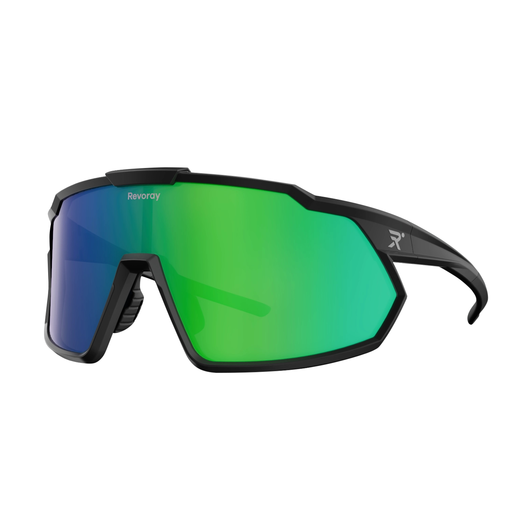
Why this fits the profile: Aimed at cyclists who value weight, lens information and a stable fit during longer rides.
The product page states a weight of approximately 33 grams, adjustable silicone nose pads and a VLT of around 15.2%.
TR90 frame, TAC polarised lenses, water and oil repellent coating and stated ANSI Z87.1 test standard.

Why this fits the profile: For cyclists and runners who encounter changing light conditions and want extra adjustment options.
The product information mentions separate photochromic and polarised lenses, plus adjustable nose pads. In a car, photochromic tinting may be limited.
TR90 frame, polycarbonate lenses, stated UV400 and a supplied insert frame for prescription lenses.

Why this fits the profile: This over-glasses model is designed to be worn over regular spectacles and therefore suits driving, travel and daily outdoor activities.
The over-glasses design means you don't need to buy a second prescription pair. However, check beforehand whether the dimensions fit over your own frame.
Polarised lenses, lightweight design and intended for wearing over prescription glasses.
We've put together a full, up-to-date list of products that fully meet these strict selection criteria and comply with current European safety regulations.
UV400 is an important product specification, but it's not the only one. Also check the fit, lens category, impact resistance, ventilation and any mention of relevant standards. For high-impact work activities, you need specialist eye protection, not ordinary sports sunglasses.
You can, but the tinting may be limited in a car because the windscreen blocks UV light. For driving, a fixed tint or a model with clear information about use in vehicles is often more predictable.
The lifespan depends on use, storage and maintenance. Replace the glasses when the lens is badly scratched, the frame is distorted or the fit is no longer stable. Clean with water and a soft microfibre cloth, do not use harsh chemicals and store the glasses in a protective case.
